Health
The Hidden Health Metric Your Doctor Checks Every Visit

Health Points
- Blood oxygen saturation measures how well oxygen moves from your lungs into your bloodstream, with normal levels ranging from 95% to 100%
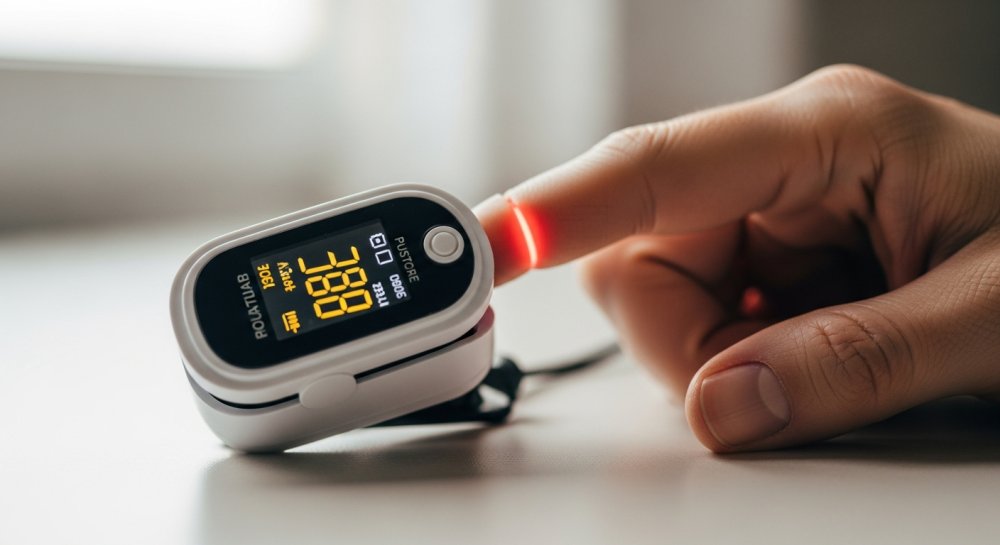
- A simple pulse oximeter device clipped to your finger can measure oxygen levels in seconds, making it a vital tool for monitoring respiratory and heart conditions
- Levels below 90% may signal serious health issues requiring immediate medical attention, from pneumonia to heart failure
Every time you visit your doctor’s office, a small device clips onto your fingertip for just a few seconds. That brief moment reveals crucial information about your body’s ability to deliver oxygen where it needs to go—a measurement that can alert medical professionals to potentially serious health problems before symptoms become severe.
Blood oxygen saturation, commonly called oxygen levels or SpO2, indicates how effectively your lungs transfer oxygen into your bloodstream. This vital sign has become even more familiar to Americans since the COVID-19 pandemic, when oxygen monitoring entered many homes for the first time.
The measurement works through a surprisingly simple technology. A pulse oximeter shines light through your fingertip or earlobe, detecting how much oxygen your red blood cells carry. Oxygen-rich blood absorbs light differently than oxygen-poor blood, allowing the device to calculate saturation levels almost instantly.
For most healthy adults, normal oxygen saturation ranges between 95% and 100%. These levels ensure your organs, tissues, and cells receive adequate oxygen to function properly. Your heart, brain, and other vital organs depend on this steady oxygen supply to maintain health.
“Think of it like a delivery service,” explains one respiratory therapist. “Your lungs load oxygen onto red blood cells, which then deliver it throughout your body. The saturation percentage tells us how full those delivery trucks are.”
Several factors can temporarily affect your readings. Cold hands often produce lower measurements because reduced blood flow makes accurate detection difficult. Nail polish, particularly dark colors, can interfere with the light sensor. Even altitude plays a role—people living in mountain regions may naturally have slightly lower baseline levels than those at sea level.
Medical conditions affecting the lungs or heart pose more serious concerns. Chronic obstructive pulmonary disease (COPD), asthma, pneumonia, and heart failure can all reduce oxygen saturation. During respiratory infections, monitoring these levels helps doctors determine whether patients need supplemental oxygen or hospital care.
“We saw how important home monitoring became during the pandemic,” notes a physician specializing in pulmonary medicine. “Patients could catch declining oxygen levels early, even before they felt severely short of breath.”
Readings below 90% warrant immediate medical evaluation. This condition, called hypoxemia, means your body isn’t getting enough oxygen to function properly. Symptoms may include shortness of breath, rapid heartbeat, confusion, or bluish tint to the lips or fingertips. However, some people experience dangerously low oxygen levels with minimal symptoms—a phenomenon called silent hypoxia.
Healthcare providers consider oxygen saturation alongside other vital signs and symptoms when assessing patient health. A single lower reading doesn’t necessarily indicate a problem, especially if you feel fine otherwise. Consistent low readings or declining trends require professional attention.
For those managing chronic lung or heart conditions, home pulse oximeters offer valuable monitoring tools. These devices, available at most pharmacies, allow patients to track their levels regularly and alert their doctors to concerning changes. The technology has become increasingly affordable and user-friendly over the past decade.
Proper technique matters for accurate readings. Warm your hands before testing, remove nail polish, and sit still during measurement. Most devices need 30 to 60 seconds to generate reliable results. Taking multiple readings and averaging them provides the most accurate picture.
Different medical conditions may have different target ranges. Some people with severe chronic lung disease may have lower baseline levels that their bodies have adapted to over time. Their doctors establish individualized target ranges based on their specific health situation.
The relationship between oxygen levels and overall health extends beyond the lungs. Poor circulation, anemia, and even certain medications can affect readings. Sleep apnea causes oxygen levels to drop repeatedly during the night, potentially harming long-term cardiovascular health even when daytime levels appear normal.
Recent years have brought increased awareness of this important health metric. What once seemed like mysterious medical technology now sits in medicine cabinets across America, empowering people to take active roles in monitoring their respiratory health. That simple fingertip clip has become a window into one of our body’s most fundamental processes—the constant, essential flow of oxygen that sustains life itself.
