Nutrition
These Eight Everyday Foods Rival Sardines for Heart Protection

Health Points
- Sardines deliver omega-3 fatty acids, vitamin D, and calcium that support cardiovascular health and bone strength
- Eight common alternatives including salmon, mackerel, and fortified plant foods provide similar nutritional benefits
- Adults should consume 8 ounces of seafood weekly or incorporate plant-based omega-3 sources for optimal heart health
Sardines have earned their reputation as a nutritional powerhouse, packed with omega-3 fatty acids, vitamin D, and calcium. These small fish support heart health, strengthen bones, and provide essential nutrients in a convenient package. Yet their strong flavor and distinctive texture make them a divisive choice at the dinner table.
For those who can’t stomach sardines, good news arrives from nutrition experts. A range of accessible alternatives delivers the same heart-protective benefits without the polarizing taste. These substitutes fit easily into everyday meals while supporting cardiovascular wellness.
The science behind sardines’ benefits centers on their rich omega-3 content. These fatty acids reduce inflammation, lower triglyceride levels, and decrease the risk of heart disease. A single 3.75-ounce can provides approximately 1,000 milligrams of omega-3s, along with substantial amounts of vitamin D and calcium.
“Sardines are nutritional superstars, but they’re not the only fish in the sea when it comes to heart health,” explains registered dietitian nutritionist Samantha Cassetty. “Several alternatives can provide similar benefits for people who find sardines unpalatable.”
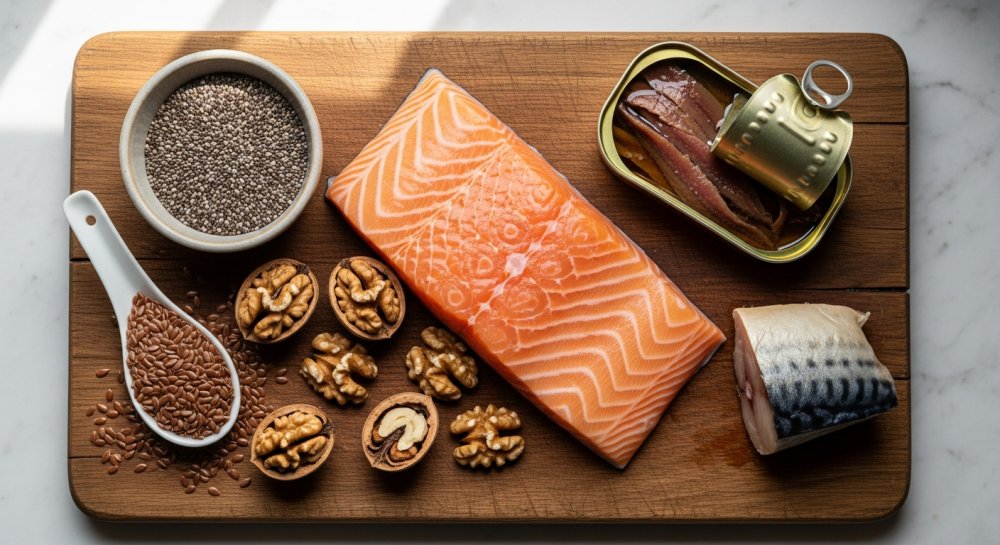
Salmon tops the list of sardine alternatives. Wild-caught salmon contains even higher levels of omega-3 fatty acids than sardines, with a milder flavor profile that appeals to a broader audience. A 3-ounce serving delivers roughly 1,500 milligrams of omega-3s along with high-quality protein.
Mackerel matches sardines nearly ounce for ounce in nutritional value. This oily fish provides abundant omega-3s, vitamin D, and B vitamins. Fresh mackerel offers a less intense flavor than sardines while maintaining comparable health benefits.
Anchovies pack similar nutrition to sardines in an even smaller package. Though they carry a strong, salty flavor, anchovies dissolve beautifully into pasta sauces and salad dressings. A small amount adds depth to dishes while delivering heart-healthy fats.
Herring provides another excellent source of omega-3 fatty acids and vitamin D. This fish appears in various preparations, from pickled to smoked. Its nutritional profile closely mirrors that of sardines, making it an ideal substitute.
For those seeking plant-based options, chia seeds emerge as a surprising alternative. These tiny seeds contain alpha-linolenic acid (ALA), a plant-based omega-3 fatty acid. Two tablespoons of chia seeds provide about 5 grams of omega-3s, though the body converts ALA to the more beneficial EPA and DHA forms less efficiently than from fish sources.
Walnuts stand out among nuts for their omega-3 content. A quarter-cup serving delivers approximately 2.5 grams of ALA. Regular walnut consumption has been linked to improved cholesterol levels and reduced inflammation.
“Plant-based omega-3 sources work well for vegetarians and vegans, but they’re not identical to fish-based sources,” notes nutritionist Amanda Li. “The conversion rate from ALA to EPA and DHA is only about 5 to 10 percent, so you need larger amounts to achieve similar benefits.”
Flaxseeds contain impressive amounts of ALA omega-3s. Ground flaxseed works better than whole seeds, as the body can’t digest whole flaxseeds effectively. One tablespoon of ground flaxseed provides about 1.6 grams of omega-3s.
Fortified foods round out the alternatives. Many eggs, milk products, and plant-based milks now come fortified with omega-3 fatty acids. These everyday staples make it easier to boost omega-3 intake without dramatic dietary changes.
The American Heart Association recommends eating at least two 3.5-ounce servings of fish per week, particularly fatty fish rich in omega-3s. For those who don’t consume fish, plant-based sources and fortified foods can help fill the nutritional gap.
Vitamin D and calcium, two other key nutrients in sardines, also appear in various alternative foods. Fatty fish like salmon and mackerel contain vitamin D, while fortified plant milks and dairy products provide both nutrients.
The sustainability factor deserves consideration when choosing fish alternatives. Sardines rank as one of the most sustainable seafood choices due to their abundant populations and low position on the food chain. Salmon and other larger fish carry greater environmental concerns, though wild-caught and responsibly farmed options exist.
Preparation methods matter for maximizing nutritional benefits. Grilling, baking, or broiling fish preserves omega-3 content better than deep frying. For plant-based sources, consuming them raw or lightly processed maintains their nutritional integrity.
Individual health needs should guide food choices. People taking blood thinners should consult their healthcare provider before significantly increasing omega-3 intake. Those with fish allergies can safely rely on plant-based alternatives and fortified foods.
The path to heart health doesn’t require forcing down foods you dislike. These eight alternatives prove that supporting cardiovascular wellness can align with personal taste preferences. Whether choosing another type of fish or incorporating plant-based omega-3 sources, consistent intake matters more than the specific source.
Building heart-healthy eating habits works best when the foods involved are ones you’ll actually consume regularly. Sardines may be nutritional champions, but they’re far from the only option for those seeking the same benefits.
