Nutrition
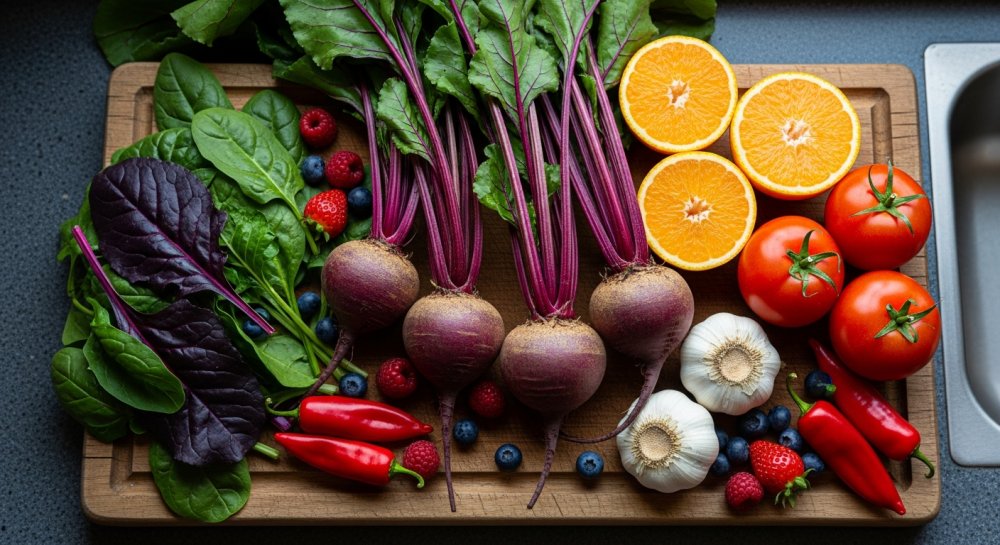
Seven Everyday Foods That May Support Healthier Blood Flow

Health Points
- Specific fruits and vegetables contain compounds that may help relax blood vessels and support circulation
- Nitrate-rich vegetables like beets and leafy greens convert to nitric oxide in the body, promoting vessel dilation
- Regular consumption of circulation-supporting foods works best as part of an overall healthy lifestyle including exercise and stress management
For many Americans over 40, maintaining healthy circulation becomes increasingly important for overall wellness and vitality. While medication and medical care remain essential for serious conditions, research suggests that certain everyday foods may offer natural support for blood flow.
Good circulation ensures oxygen and nutrients reach every part of your body efficiently. Poor circulation can contribute to cold extremities, fatigue, and more serious health concerns over time.
According to nutritional research, several fruits and vegetables contain compounds that may help blood vessels relax and function optimally. These natural options represent a complementary approach to traditional cardiovascular care, not a replacement for medical treatment.
Beets: Nature’s Circulation Supporter
Beets top the list of circulation-friendly vegetables thanks to their high nitrate content. When consumed, these nitrates convert to nitric oxide in the body—a compound that helps blood vessels relax and widen.
Research published in cardiovascular journals has shown that beetroot juice consumption may help support healthy blood pressure levels already within normal range. The deep purple root vegetable can be enjoyed roasted, juiced, or even pickled.
For those who find the earthy flavor challenging, blending beets into smoothies with sweeter fruits can make them more palatable while preserving their beneficial properties.
Leafy Greens Deliver Nitrate Power
Spinach, kale, and arugula join beets as excellent sources of dietary nitrates. These versatile greens can be incorporated into meals throughout the day—from morning omelets to lunchtime salads to dinner sides.
The nitric oxide pathway these vegetables support plays a crucial role in maintaining flexible, responsive blood vessels. This becomes particularly important as we age and blood vessels naturally lose some elasticity.
Registered dietitians often recommend consuming leafy greens raw or lightly cooked to preserve their nitrate content, as excessive heat can reduce these beneficial compounds.
Citrus Fruits: Vitamin C and Flavonoids
Oranges, grapefruits, and lemons provide more than just vitamin C. These bright fruits contain flavonoids—plant compounds that research suggests may help maintain healthy blood vessel function.
Studies have examined how citrus flavonoids may support the inner lining of blood vessels, helping them remain smooth and efficient at regulating blood flow. The antioxidant properties of these compounds also help protect vessels from oxidative stress.
A morning glass of fresh-squeezed orange juice or a grapefruit half at breakfast represents an easy way to incorporate these circulation-supporting fruits into your routine.
Berries Pack Antioxidant Benefits
Blueberries, strawberries, and raspberries deliver powerful antioxidants called anthocyanins, which give them their vibrant colors. These compounds have been studied for their potential to support blood vessel health and function.
Research indicates that regular berry consumption may help maintain the flexibility of blood vessel walls. Fresh or frozen berries retain most of their beneficial compounds, making them accessible year-round.
Adding a cup of mixed berries to morning yogurt or oatmeal provides a delicious way to support circulation while satisfying a sweet craving naturally.
Tomatoes: Lycopene for Vessel Health
Tomatoes contain lycopene, a carotenoid that gives them their red color and may offer cardiovascular benefits. Studies suggest lycopene helps support the health of blood vessel linings.
Interestingly, cooking tomatoes actually increases the bioavailability of lycopene, meaning your body can absorb it more easily from tomato sauce or paste than from raw tomatoes. This makes pasta with marinara sauce a surprisingly circulation-friendly meal choice.
Sun-dried tomatoes, tomato juice, and even ketchup (in moderation) provide lycopene, though watching sodium content in processed tomato products remains important.
Garlic: Traditional Remedy, Modern Research
Garlic has been used in traditional medicine for centuries, and modern research has begun exploring its potential circulation benefits. Compounds in garlic may help blood vessels relax and support healthy blood flow.
Some studies suggest that aged garlic extract may help maintain already-healthy blood pressure levels. Fresh garlic cloves crushed or minced release allicin, considered one of garlic’s most beneficial compounds.
While garlic supplements exist, many nutritionists recommend getting benefits from whole food sources when possible—adding fresh garlic to cooking enhances flavor while potentially supporting circulation.
Cayenne Pepper: Circulation Through Capsaicin
Cayenne pepper and other hot peppers contain capsaicin, the compound responsible for their heat. Research suggests capsaicin may help support healthy blood flow by promoting the release of nitric oxide and other compounds that help blood vessels dilate.
For those who enjoy spicy food, adding cayenne to meals may offer circulation benefits alongside bold flavor. Even those sensitive to heat can start with small amounts and gradually increase tolerance.
Cayenne can be sprinkled on eggs, added to soups, or incorporated into marinades for an extra circulation-supporting kick.
Making It Work in Daily Life
Incorporating these seven foods into your regular diet doesn’t require a complete lifestyle overhaul. Simple swaps and additions can make a meaningful difference over time.
Consider starting your day with a berry smoothie, adding leafy greens to your lunch sandwich, snacking on citrus in the afternoon, and incorporating garlic and tomatoes into your dinner preparation. Small, consistent choices accumulate into significant dietary patterns.
Remember that while these foods offer potential benefits, they work best as part of a comprehensive approach to health that includes regular physical activity, stress management, adequate sleep, and appropriate medical care. No single food serves as a magic solution for circulation concerns.
Anyone with diagnosed circulation problems or cardiovascular conditions should consult their healthcare provider before making significant dietary changes. These foods complement—but don’t replace—medical treatment when needed.
For most people over 40, adding more of these circulation-supporting foods represents a safe, affordable, and delicious way to support overall health and wellness as part of a balanced, traditional approach to nutrition and self-care.
