Nutrition
The Ancient Grain That Could Transform Your Heart Health Numbers

Health Points
- Whole grains contain soluble fiber and plant compounds that can reduce LDL cholesterol by up to 10% when consumed regularly
- Oats, barley, and quinoa rank among the most effective cholesterol-lowering grains due to their beta-glucan content
- Replacing refined grains with whole grain alternatives may reduce heart disease risk by approximately 20%
For millions of Americans concerned about their cardiovascular health, the solution may be sitting in their pantry. A growing body of research confirms that certain whole grains possess remarkable cholesterol-lowering properties that rival some prescription interventions.
The evidence centers on a specific type of fiber found in whole grains. Unlike refined grains that have been stripped of their nutritional value, whole grains retain their bran, germ, and endosperm—the parts that contain heart-healthy compounds.
Dr. Sarah Mitchell, a cardiologist at Georgetown University Medical Center, explains the mechanism behind these benefits.
“Soluble fiber in whole grains binds to cholesterol in the digestive system and helps remove it from the body before it enters the bloodstream. This process can significantly reduce LDL cholesterol levels over time.”
The Top Cholesterol-Fighting Grains
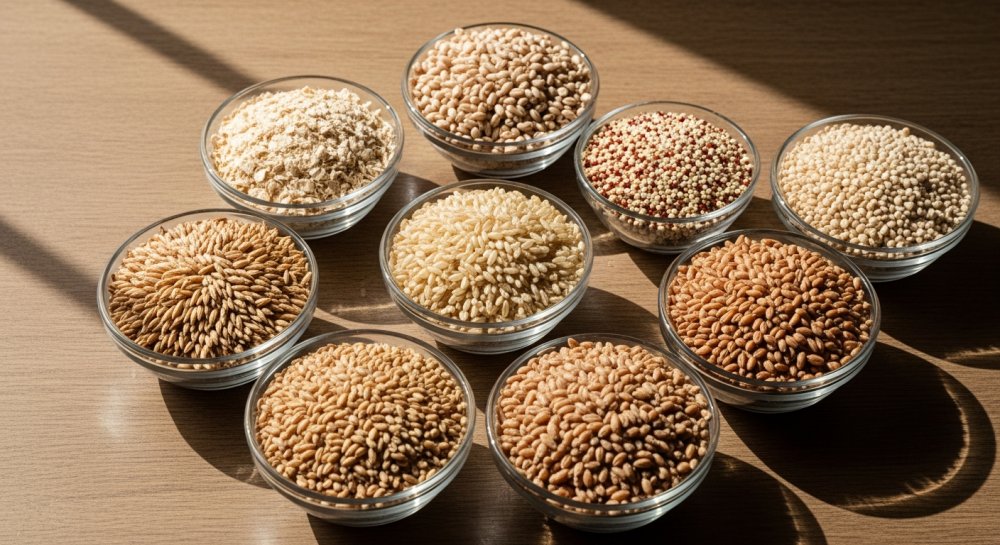
Oats stand at the forefront of cholesterol management. A single serving of oatmeal contains approximately 3 grams of beta-glucan, a soluble fiber that has demonstrated consistent cholesterol-lowering effects in clinical trials. Studies show that consuming 3 grams of beta-glucan daily can reduce LDL cholesterol by 5-10%.
Barley contains even higher concentrations of beta-glucan than oats. This ancient grain, often overlooked in modern American diets, has been consumed for thousands of years across Mediterranean and Middle Eastern cultures known for their low rates of heart disease.
Quinoa, technically a seed but prepared like a grain, offers a complete protein profile alongside its fiber content. This makes it particularly valuable for those following plant-based diets while managing cholesterol levels.
Brown rice provides a familiar starting point for those new to whole grains. While its fiber content is lower than oats or barley, regular consumption still contributes to improved cholesterol profiles compared to white rice.
Whole wheat contains lignans and phenolic acids that work alongside fiber to support cardiovascular health. These plant compounds possess antioxidant properties that may prevent cholesterol oxidation, a key factor in arterial plaque formation.
Rye bread and rye grain have shown particular promise in Scandinavian research studies. Finnish researchers found that rye consumption improved cholesterol ratios more effectively than wheat in several controlled trials.
Bulgur wheat, a staple of Middle Eastern cuisine, offers convenience alongside nutrition. Because it’s pre-cooked and dried, bulgur requires minimal preparation while delivering the full benefits of whole wheat.
Farro, an ancient wheat variety experiencing renewed popularity, contains high levels of resistant starch. This type of carbohydrate resists digestion and feeds beneficial gut bacteria, which may indirectly support healthy cholesterol levels.
The Science Behind the Benefits
Research published in the American Journal of Clinical Nutrition tracked over 40,000 participants for two decades. Those who consumed the most whole grains showed a 20% reduction in heart disease risk compared to those eating primarily refined grains.
The mechanism extends beyond simple fiber content. Whole grains contain plant sterols, compounds structurally similar to cholesterol that compete for absorption in the intestines. This competition reduces the amount of dietary cholesterol that enters the bloodstream.
Dr. James Chen, a nutritional biochemist at Stanford University, emphasizes the importance of consistency.
“The cholesterol-lowering effects of whole grains are dose-dependent and cumulative. You need to consume them regularly, ideally as part of every meal, to see sustained benefits in your lipid panel.”
Practical Implementation Strategies
Health experts recommend replacing at least half of daily grain servings with whole grain alternatives. This translates to approximately three servings of whole grains per day for most adults.
Starting with breakfast provides the easiest entry point. A bowl of oatmeal topped with berries and nuts delivers both soluble fiber and healthy fats that work synergistically to manage cholesterol. Those who prefer cold cereal should look for options listing whole grains as the first ingredient and containing at least 3 grams of fiber per serving.
Lunch offers opportunities to incorporate barley in soups or quinoa in salads. These grains maintain their texture when prepared in advance, making them ideal for meal preparation strategies.
Dinner can feature brown rice, farro, or bulgur as side dishes. Many families find that gradually mixing whole grains with familiar white rice eases the transition while still providing health benefits.
Beyond Cholesterol Management
The benefits of whole grain consumption extend well beyond cholesterol reduction. These foods support healthy blood sugar regulation, promote digestive health, and contribute to sustainable weight management—all factors that influence cardiovascular risk.
Whole grains also contain B vitamins that support energy metabolism and nervous system function. The magnesium found in many whole grains plays essential roles in muscle function and bone health, concerns particularly relevant for adults over 40.
For individuals taking statin medications, whole grains provide complementary support rather than replacement therapy. The combination of dietary intervention and appropriate medication can achieve better results than either approach alone.
Dr. Mitchell notes the importance of viewing whole grains as part of a comprehensive approach.
“Whole grains are powerful tools for heart health, but they work best within the context of an overall healthy dietary pattern that includes vegetables, fruits, lean proteins, and healthy fats. No single food is a magic bullet.”
Shopping and Preparation Guidelines
Reading labels carefully ensures you’re getting genuine whole grains rather than refined products marketed as healthy. The ingredient list should name a whole grain as the first item—look for phrases like “whole wheat,” “whole oats,” or “brown rice” rather than “wheat flour” or “enriched flour.”
Color alone doesn’t indicate whole grain status. Some brown breads achieve their appearance through added molasses or food coloring while containing primarily refined flour. The nutrition facts panel should show at least 3 grams of fiber per serving for bread products and 4-5 grams for cereals.
Buying whole grains in bulk from natural food stores often provides better value than packaged products. Store them in airtight containers in a cool, dark place to prevent the natural oils in the grain from becoming rancid.
Preparation methods vary by grain type but generally involve simple boiling or steaming. Batch cooking grains on weekends allows for quick meal assembly throughout the week. Cooked whole grains typically keep well in the refrigerator for 4-5 days.
Addressing Common Concerns
Some individuals experience digestive discomfort when first increasing whole grain intake. Starting with smaller portions and gradually increasing consumption allows the digestive system to adapt. Drinking adequate water helps fiber move through the digestive tract efficiently.
For those with gluten sensitivity or celiac disease, gluten-free whole grains like quinoa, brown rice, and certified gluten-free oats provide the same cardiovascular benefits without triggering adverse reactions.
The slightly longer cooking times required for whole grains compared to refined versions can be addressed through several strategies. Using a rice cooker or pressure cooker reduces both cooking time and hands-on attention. Alternatively, quick-cooking versions of many whole grains are now available, though they may cost slightly more.
Taste preferences often favor familiar refined grains initially. Combining whole and refined grains during a transition period, experimenting with different preparation methods, and adding flavorful herbs and spices can make whole grains more appealing to reluctant family members.
The research continues to affirm what traditional diets have demonstrated for centuries: whole grains form a foundation for lasting health. For those committed to managing cholesterol through natural means, these eight grains offer evidence-based solutions that support both immediate and long-term cardiovascular wellness.
