Nutrition
The Surprising Foods That May Help Manage a Painful Skin Condition

Health Points
- Dietary changes may help reduce inflammation and symptom flare-ups in hidradenitis suppurativa, a chronic skin condition affecting up to 2% of Americans
- Anti-inflammatory foods like fruits, vegetables, and omega-3 fatty acids show promise in managing painful lesions and nodules
- Certain trigger foods including dairy, refined sugars, and nightshades may worsen symptoms for some individuals
For the estimated 200,000 to 2 million Americans living with hidradenitis suppurativa (HS), the search for relief from painful, recurring skin lesions often leads to an unexpected place: the kitchen. While medication and surgical interventions remain primary treatment options, mounting evidence suggests that what you eat may significantly influence how your body responds to this chronic inflammatory condition.
Hidradenitis suppurativa causes painful lumps, abscesses, and scarring in areas where skin rubs together—particularly the armpits, groin, buttocks, and under the breasts. The condition typically emerges after puberty and can profoundly impact quality of life through both physical discomfort and emotional distress.
“The relationship between diet and HS is becoming increasingly clear,” explains Dr. Alexa Kimball, professor of dermatology at Harvard Medical School.
“While we don’t have a definitive ‘HS diet,’ we’re seeing that anti-inflammatory eating patterns can make a meaningful difference for many patients.”
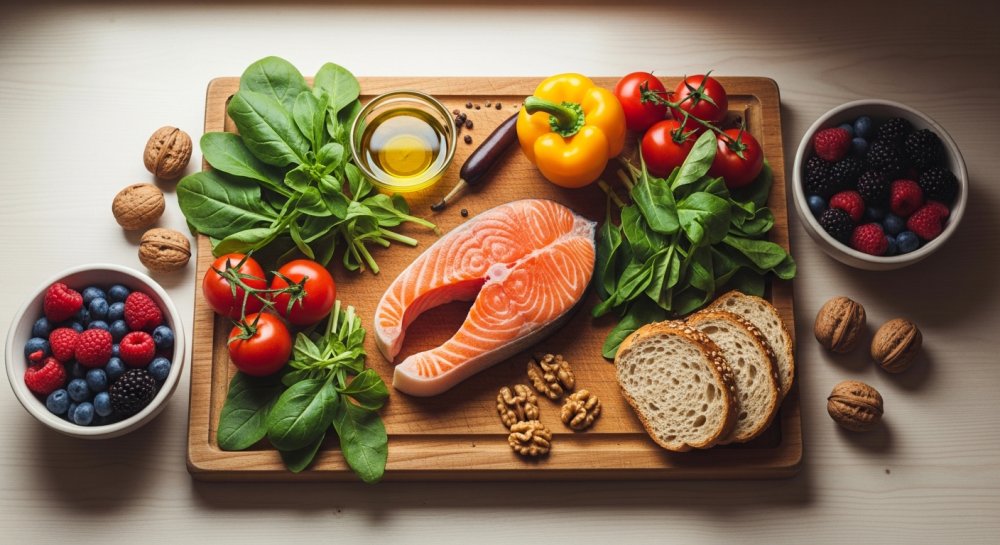
Research indicates that HS is fundamentally an inflammatory condition, which explains why foods that combat inflammation may help manage symptoms. The Mediterranean diet—rich in fruits, vegetables, whole grains, fish, and olive oil—has shown particular promise in preliminary studies.
One small study found that participants following an anti-inflammatory diet experienced reduced HS severity scores. The diet emphasized omega-3 fatty acids from fatty fish like salmon and sardines, colorful vegetables packed with antioxidants, and the elimination of processed foods.
Several specific dietary approaches have gained attention among HS patients and researchers. Reducing dairy intake appears beneficial for some individuals, though the exact mechanism remains under investigation. Some experts theorize that hormones naturally present in dairy products may trigger inflammation in susceptible people.
Brewer’s yeast, found in beer and certain breads, has emerged as another potential trigger. Anecdotal reports and limited research suggest that eliminating brewer’s yeast may reduce flare-ups in select patients, though larger studies are needed to confirm this connection.
The glycemic index of foods—how quickly they raise blood sugar—may also play a role. High-glycemic foods like white bread, sugary snacks, and refined carbohydrates can spike insulin levels, potentially promoting inflammation. Choosing low-glycemic alternatives such as whole grains, legumes, and non-starchy vegetables may help stabilize blood sugar and reduce inflammatory responses.
Nightshade vegetables—including tomatoes, potatoes, eggplants, and peppers—have sparked debate in the HS community. While scientific evidence is limited, some patients report improvement after eliminating these foods. The compounds in nightshades may affect inflammatory pathways in certain individuals, though more research is essential to understand this relationship.
“I always tell my patients that HS is highly individual,” notes Dr. Kimball.
“What triggers symptoms in one person may not affect another at all. That’s why I recommend keeping a detailed food diary to identify your personal triggers.”
Beyond specific foods, maintaining a healthy weight appears crucial for HS management. Obesity is associated with increased HS severity, likely because excess weight promotes inflammation and increases skin friction in affected areas. Weight loss through balanced nutrition and regular physical activity has been shown to improve symptoms in many patients.
Zinc supplementation has also attracted research attention. Some studies suggest that zinc, which plays a role in wound healing and immune function, may reduce HS lesion formation when taken as a supplement. However, patients should consult healthcare providers before adding supplements to their regimen, as excessive zinc intake can cause adverse effects.
Experts emphasize that dietary modifications should complement—not replace—conventional medical treatment for HS. Antibiotics, hormonal therapies, and biologic medications remain essential tools for managing moderate to severe cases. In advanced situations, surgical removal of affected skin may be necessary.
Implementing dietary changes requires patience and realistic expectations. Unlike medication that may work within weeks, nutritional interventions typically take several months to show effects. Gradual modifications tend to be more sustainable than drastic overnight changes.
Dermatologists recommend starting with an elimination diet to identify potential triggers. This involves removing suspected problem foods for several weeks, then systematically reintroducing them while monitoring symptoms. Keeping detailed records helps establish clear patterns between specific foods and flare-ups.
The emotional toll of HS shouldn’t be overlooked when considering treatment approaches. Chronic pain, visible scarring, and the unpredictable nature of flare-ups contribute to higher rates of depression and anxiety among HS patients. Taking an active role in managing the condition through dietary choices can provide a sense of control and empowerment.
Support groups and online communities have become valuable resources for sharing dietary strategies and experiences. However, medical professionals caution against following unproven dietary protocols without professional guidance, as overly restrictive diets may lead to nutritional deficiencies.
As research continues, scientists are working to understand the complex mechanisms linking diet, inflammation, and HS. Future studies may identify specific biomarkers that predict which dietary approaches will work best for individual patients, moving toward truly personalized nutritional recommendations.
For now, the evidence supports a common-sense approach: emphasize whole, unprocessed foods rich in anti-inflammatory nutrients while identifying and avoiding personal trigger foods. Combined with appropriate medical care, stress management, and good skin hygiene practices, dietary modifications offer another tool in the comprehensive management of this challenging condition.
Anyone considering significant dietary changes for HS should consult with both a dermatologist and a registered dietitian who can provide personalized guidance while ensuring nutritional needs are met. This collaborative approach offers the best opportunity for symptom relief while maintaining overall health and wellbeing.
