Health
The Warning Sign in Your Skin After a Walk Outside

Health Points
- Tick bites often appear as small red bumps but can develop into distinctive bull’s-eye rashes indicating Lyme disease
- Early detection and removal within 24-36 hours significantly reduces transmission risk of tick-borne illnesses
- Fever, joint pain, or expanding rashes following a bite warrant immediate medical evaluation
For Americans who value spending time in nature—whether hiking trails, maintaining gardens, or simply enjoying the great outdoors—understanding what a tick bite looks like could make the difference between a minor inconvenience and a serious health threat.
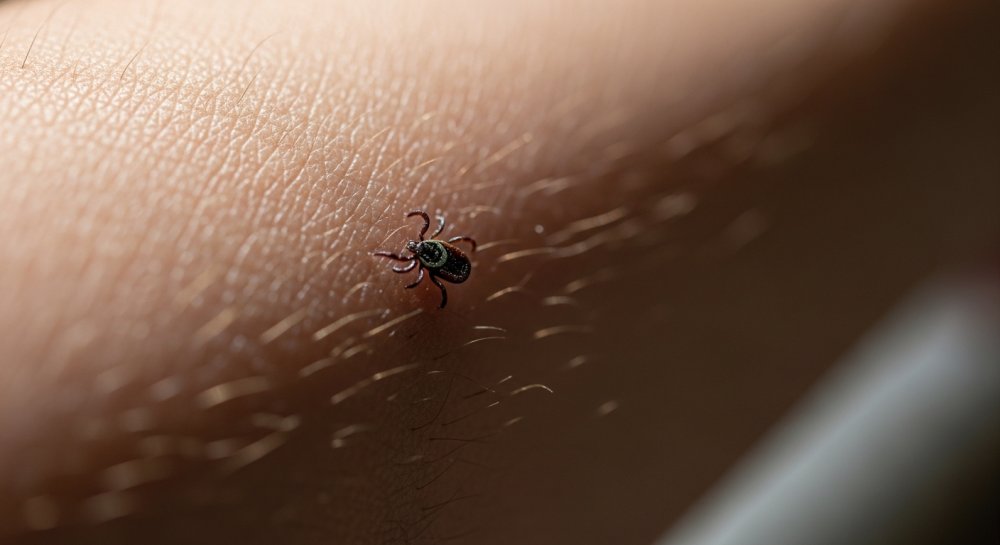
Ticks are small arachnids that attach to human skin to feed on blood, and while the initial bite may seem harmless, these creatures can transmit diseases including Lyme disease, Rocky Mountain spotted fever, and other potentially serious conditions. The challenge is that many people don’t realize they’ve been bitten until symptoms develop.
“Most tick bites will appear as a small red bump, similar to a mosquito bite,” explains Dr. Sarah Mitchell, an infectious disease specialist at Johns Hopkins Medicine. “The key difference is that you may still see the tick attached to your skin, as they can remain feeding for several days.”
The appearance of a tick bite evolves through several stages. Initially, you might notice a tiny, pinpoint red spot where the tick has burrowed into the skin.
If the tick remains attached, the area may become slightly swollen and irritated. After removing the tick or once it detaches naturally, a small red bump typically remains—often accompanied by mild itching or discomfort.
The most concerning development is the appearance of a bull’s-eye rash, medically known as erythema migrans. This distinctive pattern features a red outer ring with a clear center, expanding outward from the bite site.
“The bull’s-eye rash is the hallmark sign of Lyme disease and appears in approximately 70-80% of infected individuals,” Dr. Mitchell notes. “It typically develops three to 30 days after the bite and can expand to 12 inches or more in diameter.”
Not all tick bites result in this classic presentation, however. Some people develop a solid red, expanding rash without the clear center.
Others may experience multiple rash sites if the infection has begun spreading through the bloodstream. The rash itself is usually not painful or itchy, which can lead people to dismiss it as unimportant.
Location matters when it comes to tick bites. These parasites prefer warm, moist areas of the body—commonly found in armpits, groin, behind the knees, along the hairline, and behind the ears.
Children are particularly vulnerable to scalp bites due to their height and tendency to play in grassy areas. A thorough full-body check after outdoor activities is essential for early detection.
The timeline for disease transmission is critical. Research shows that Lyme disease bacteria typically require 24-36 hours of attachment before transmission occurs.
“Quick removal is your best defense,” emphasizes Dr. Robert Thompson, a family physician practicing in rural Pennsylvania. “If you find an attached tick, remove it immediately using fine-tipped tweezers, grasping as close to the skin as possible and pulling upward with steady pressure.”
Common removal mistakes include twisting the tick, using petroleum jelly, or applying heat—all methods that can increase the risk of disease transmission. After removal, clean the area thoroughly with rubbing alcohol or soap and water.
Certain symptoms following a tick bite require immediate medical attention. Seek help if you develop fever, chills, headache, muscle aches, or joint pain within weeks of a bite.
An expanding rash—whether bull’s-eye shaped or solid red—warrants prompt evaluation. Facial paralysis, severe headaches, heart palpitations, or shortness of breath are emergency symptoms requiring immediate care.
“We’re seeing tick-borne diseases in areas where they were previously uncommon,” Dr. Mitchell explains. “Climate change and habitat shifts have expanded tick populations across the United States, making awareness crucial for everyone—not just those in traditionally high-risk regions.”
Prevention strategies include wearing long sleeves and pants when hiking, using EPA-registered insect repellents containing DEET or picaridin, and treating clothing with permethrin. Staying on cleared trails and avoiding tall grass and brush reduces exposure risk.
Regular tick checks should become routine after any outdoor activity. Pay special attention to children and pets, as they’re often closer to ground level where ticks wait on vegetation.
Creating a tick-safe yard involves keeping grass mowed, removing leaf litter, and establishing wood chip or gravel barriers between lawns and wooded areas. These simple landscaping choices can significantly reduce tick populations near your home.
For families who enjoy outdoor recreation, these precautions align with traditional values of self-reliance and protecting loved ones. Understanding the threat and taking proactive measures demonstrates responsible stewardship of personal and family health.
“Early treatment of Lyme disease with appropriate antibiotics is highly effective,” Dr. Thompson reassures. “The key is recognizing the signs early and seeking care promptly—outcomes are excellent when caught in the early stages.”
Documentation helps with diagnosis. If possible, save the tick in a sealed plastic bag or container with rubbing alcohol.
Note the date and location of the bite. Photograph any rashes that develop, as their appearance may change before your medical appointment.
Most tick bites won’t result in disease transmission, but vigilance protects against the small percentage that do. With tick populations expanding across the country, knowledge and preparation serve as your first line of defense in maintaining health and enjoying the outdoors safely.
