Nutrition
The Part of the Kiwi Most People Throw Away Could Be Its Healthiest

Health Points
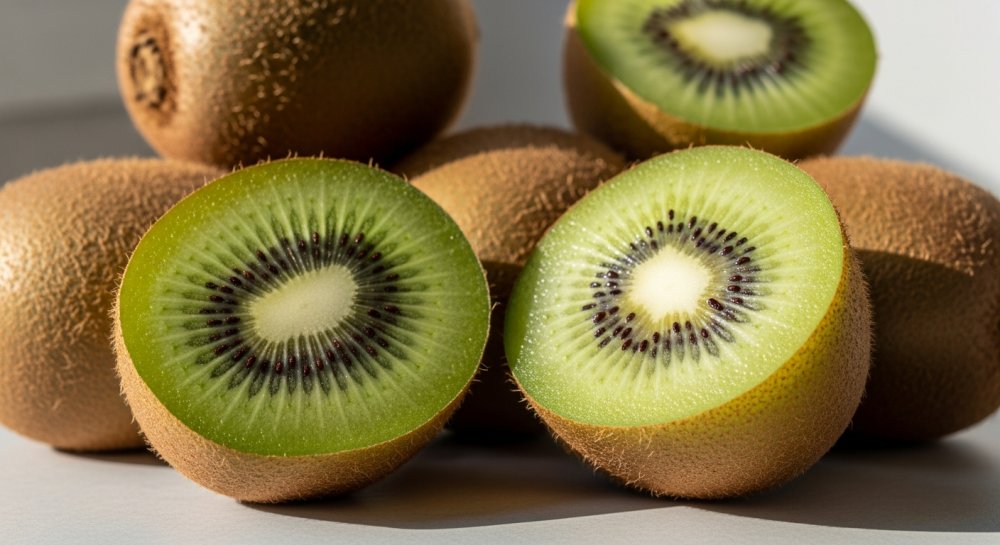
- Kiwi skins contain three times more fiber than the flesh alone and are rich in antioxidants and vitamin E
- The fuzzy exterior can be eaten after a gentle wash, though gold kiwis offer a smoother alternative
- Nutritionists recommend eating the whole fruit to maximize benefits for digestive health and immune function
For decades, Americans have carefully peeled their kiwis before eating them, discarding what may actually be the most nutrient-dense part of the fruit. Health experts now say the fuzzy brown skin that most people toss in the trash contains concentrated levels of fiber, antioxidants, and other beneficial compounds that support traditional wellness goals like digestive regularity and natural immune defense.
The edible skin of a kiwi delivers approximately three times the fiber content of the flesh alone, according to nutritional analyses. That additional fiber supports the kind of steady, natural digestive function that doesn’t require pharmaceutical intervention—a principle that resonates with those who prefer food-based approaches to health maintenance.
Lauren Manaker, a registered dietitian based in Charleston, South Carolina, has been recommending whole kiwi consumption to her clients for years.
“The skin of kiwi fruit is absolutely safe to eat and actually provides some important nutrients,” Manaker explains.
Beyond fiber, kiwi skins contain concentrated antioxidants including vitamin E and polyphenols that combat cellular damage from environmental stressors. These natural compounds support the body’s own defense systems rather than relying on synthetic supplements—an approach that aligns with traditional values of self-sufficiency and personal health responsibility.
The concern many Americans have about eating kiwi skin centers on its distinctive fuzzy texture. But preparation is straightforward: a gentle rinse under running water removes surface debris, and the skin becomes less noticeable when the fruit is sliced or blended into smoothies.
For those who find the texture of traditional green kiwis off-putting, gold kiwis present a smoother alternative. These varieties have thinner, less fuzzy skin while still delivering the nutritional benefits that make eating the whole fruit worthwhile.
Jessica Cording, another registered dietitian, notes the practical advantages of this approach.
“Eating the skin saves time and reduces food waste while giving you more nutritional value,” Cording points out.
The recommendation to eat kiwi skins fits within a broader movement toward consuming whole foods in their most natural, unprocessed state. This philosophy—that nature provides foods in forms that maximize human health—reflects a conservative approach to nutrition that doesn’t rely on fortification, supplementation, or industrial food processing.
From a practical standpoint, eating the entire kiwi means less kitchen waste and more efficient use of grocery budgets. A family of four purchasing kiwis weekly could see measurable reductions in both food waste and the need for separate fiber supplements when they consume the fruit as nature intended.
The vitamin E concentrated in kiwi skins supports skin health and cellular protection through natural means. Rather than applying synthetic topical treatments or taking isolated vitamin supplements, eating kiwi skins provides vitamin E in the whole-food matrix that allows for optimal absorption and utilization by the body.
Digestive health represents another area where kiwi skins demonstrate clear benefits. The combination of soluble and insoluble fiber in the skin promotes regular bowel function and supports the growth of beneficial gut bacteria—the foundation of digestive wellness that precedes the need for more aggressive medical interventions.
For older adults particularly, maintaining adequate fiber intake becomes increasingly important for cardiovascular health, blood sugar regulation, and digestive comfort. A single kiwi eaten with its skin provides a significant portion of daily fiber needs without added sugars or artificial ingredients.
The organic acids present in kiwi skins also contribute to the fruit’s distinctive tart flavor while supporting digestive enzyme function. This natural acidity aids in the breakdown of proteins during digestion—another example of how whole foods provide complementary nutrients that work synergistically.
Washing kiwis before consumption remains important, just as with any fresh produce. A brief rinse under cool running water removes potential surface contaminants while preserving the nutritional integrity of both skin and flesh.
Those concerned about pesticide residues can opt for organic kiwis, though studies have consistently shown that kiwis—with their protective skin—tend to have lower pesticide levels than many other commercially grown fruits.
The recommendation to eat kiwi skins doesn’t require special equipment or complicated preparation techniques. Simply wash the fruit, slice it, and eat it—skin and all. This simplicity appeals to those who value straightforward, common-sense approaches to nutrition rather than elaborate food preparation rituals.
As Americans increasingly seek ways to optimize their health through dietary choices rather than pharmaceutical interventions, simple strategies like eating kiwi skins represent practical, accessible options. The approach costs nothing extra, requires no special training, and delivers measurable nutritional benefits backed by scientific research.
