Health
This Ancient Herb May Help You Sleep Better and Ease Anxiety

Health Points
- Lemon balm has been used for centuries to promote relaxation and may help reduce stress and anxiety
- Early research suggests the herb could improve sleep quality and cognitive function
- While generally safe, lemon balm can interact with certain medications and should be used cautiously
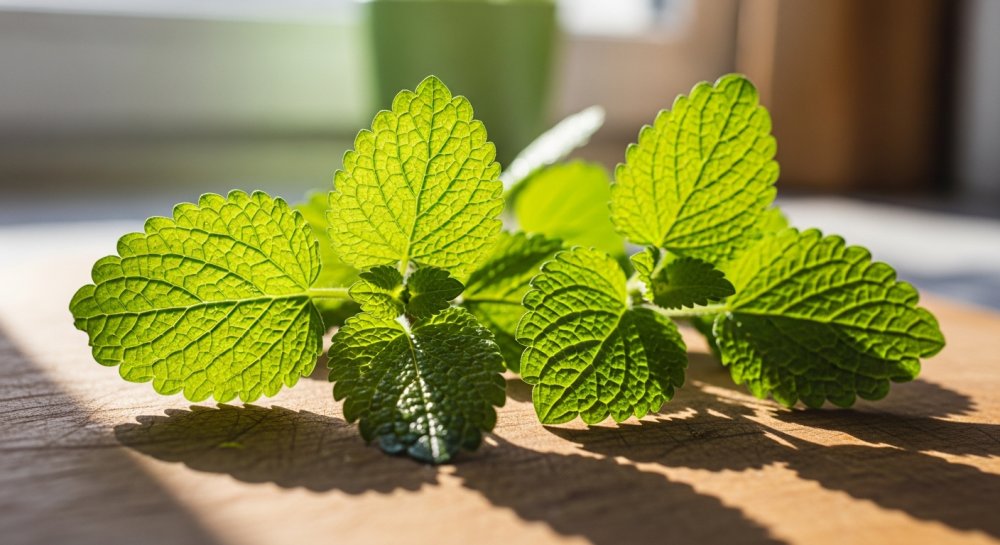
For centuries, healers have turned to a fragrant herb with a gentle lemon scent to calm frazzled nerves and promote restful sleep. Now modern science is catching up, examining what traditional medicine has long known about lemon balm’s potential to support mental and physical wellness.
Lemon balm, a member of the mint family, has quietly made its way from ancient Greek gardens to contemporary wellness routines. The herb’s leaves contain compounds that may influence neurotransmitters in the brain, offering a natural approach to managing everyday stress and sleep concerns that become more common after 40.
A Natural Ally for Stress and Anxiety
Research indicates lemon balm may help ease feelings of anxiety and promote a sense of calm. Several studies have examined the herb’s effects on stress responses, with promising results for those seeking alternatives to pharmaceutical interventions.
The herb works by interacting with GABA receptors in the brain, the same pathways targeted by many anti-anxiety medications. This mechanism may explain why lemon balm has been used traditionally to soothe nervous tension and promote relaxation during stressful periods.
Sleep Support Without the Morning Fog
Quality sleep often becomes more elusive as we age, but lemon balm may offer gentle support. Unlike sleep medications that can leave users feeling groggy, this herb appears to promote restfulness without significant next-day drowsiness.
Studies suggest that combining lemon balm with other calming herbs like valerian root may enhance sleep quality. For adults struggling with occasional sleeplessness, this herbal approach provides an option worth discussing with a healthcare provider.
Cognitive Function and Mental Clarity
Emerging research points to lemon balm’s potential benefits for memory and cognitive performance. Small studies have shown improvements in attention, memory recall, and mental processing speed after taking lemon balm supplements.
These cognitive benefits may prove particularly relevant for adults concerned about maintaining mental sharpness. While more research is needed, the initial findings suggest lemon balm could support brain health as part of a comprehensive wellness strategy.
Digestive Comfort and Antioxidant Properties
Beyond its calming effects, lemon balm has traditionally been used to ease digestive discomfort. The herb may help relieve occasional indigestion, bloating, and stomach upset through its carminative properties.
Lemon balm also contains antioxidant compounds that help protect cells from oxidative stress. These rosmarinic acid and other polyphenols contribute to the herb’s overall health-supporting profile, though researchers continue to study their full effects.
How To Incorporate Lemon Balm Safely
Lemon balm is available in several forms, including teas, capsules, tinctures, and essential oils. Fresh or dried leaves can be steeped as a calming tea, while standardized extracts offer more consistent dosing.
Typical dosages range from 300 to 600 milligrams daily for supplements, though individual needs vary. Starting with a lower dose allows you to gauge your body’s response before increasing the amount.
The herb is generally well-tolerated, but it can interact with thyroid medications, sedatives, and other prescription drugs. Anyone taking medication should consult their healthcare provider before adding lemon balm to their routine.
Pregnant and nursing women should avoid lemon balm due to insufficient safety data. Those with thyroid conditions should exercise particular caution, as the herb may affect thyroid hormone levels.
Growing and Preparing Your Own
Lemon balm thrives in home gardens and provides a fresh supply of leaves for tea and culinary uses. The plant grows readily in most climates and requires minimal care once established.
Fresh leaves can be harvested throughout the growing season and used immediately or dried for later use. A simple tea preparation involves steeping one to two teaspoons of fresh leaves or one teaspoon of dried leaves in hot water for five to ten minutes.
As interest in natural wellness approaches continues to grow, lemon balm represents a time-tested option backed by emerging scientific evidence. While not a cure-all, this gentle herb offers multiple potential benefits for those seeking natural support for stress, sleep, and overall well-being.
For adults navigating the health challenges that come with aging, lemon balm provides one more tool in the wellness toolkit—a reminder that sometimes the most effective solutions have been growing quietly in gardens for thousands of years.
