Movement
Eight Simple Movements That Could Transform Your Blood Pressure Reading

Health Points
- Regular physical activity can lower systolic blood pressure by 5-8 mmHg in people with hypertension
- Both aerobic exercises and resistance training effectively reduce blood pressure levels
- Simple activities like walking, swimming, and bodyweight exercises offer significant cardiovascular benefits without gym equipment
Nearly half of American adults live with high blood pressure, a condition that significantly increases the risk of heart disease and stroke. Yet many don’t realize that simple, equipment-free exercises performed at home can make a measurable difference in their cardiovascular health.
Physical activity remains one of the most powerful natural interventions for managing blood pressure. When you exercise regularly, your heart becomes stronger and pumps blood more efficiently, reducing the force on your arterial walls.
Brisk walking stands as perhaps the most accessible exercise for lowering blood pressure. A 30-minute walk at a moderate pace—fast enough that you can talk but not sing—strengthens the heart muscle and improves circulation. Studies show that consistent walking routines can reduce systolic blood pressure by several points within weeks.
Swimming and water aerobics offer particular benefits for those over 40. The buoyancy of water reduces stress on joints while providing resistance that builds cardiovascular endurance. Swimming laps or participating in water aerobics classes three to four times weekly has been shown to lower both systolic and diastolic blood pressure measurements.
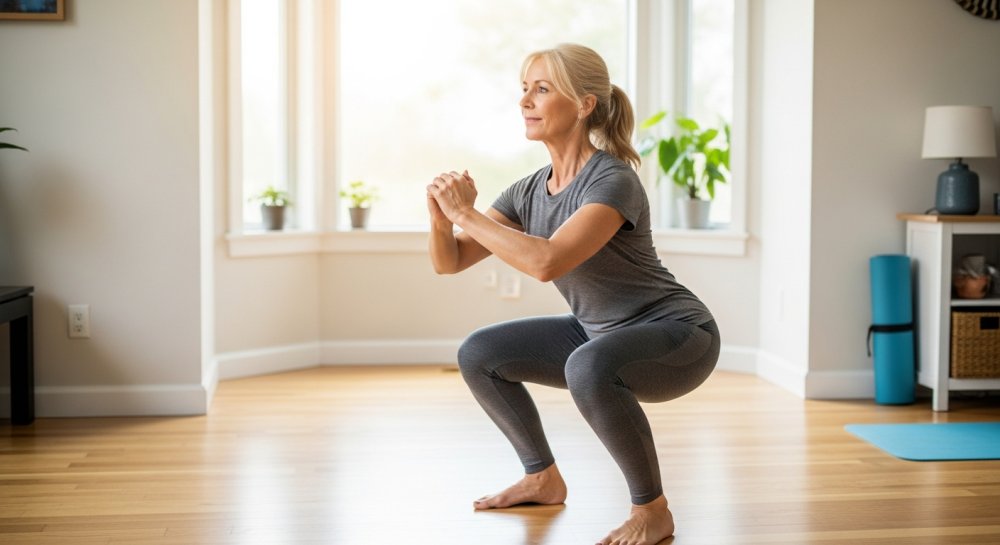
Bodyweight squats strengthen the lower body while promoting healthy blood flow. Standing with feet shoulder-width apart, lower your body as if sitting in a chair, then return to standing. This movement engages large muscle groups, which helps improve overall cardiovascular function and metabolic health.
Wall push-ups provide a gentler alternative to traditional floor push-ups while still delivering cardiovascular benefits. Standing arm’s length from a wall, place your palms flat against it at shoulder height. Lean forward, bending your elbows, then push back to starting position.
Cycling, whether outdoors or on a stationary bike, combines aerobic exercise with lower-impact joint movement. Regular cycling sessions of 30-45 minutes can improve heart efficiency and help maintain healthy blood pressure levels over time.
Resistance band exercises add strength training benefits without heavy weights. Simple movements like chest presses, rows, and leg extensions with resistance bands build muscle while supporting cardiovascular health. Resistance training two to three times weekly complements aerobic activities for optimal blood pressure management.
Yoga combines gentle movement with stress reduction, addressing blood pressure from multiple angles. Poses like child’s pose, bridge pose, and legs-up-the-wall promote relaxation while improving flexibility and circulation. The breathing techniques practiced in yoga also help calm the nervous system, which can contribute to lower blood pressure readings.
Tai chi, an ancient Chinese practice involving slow, flowing movements, has demonstrated particular promise for blood pressure reduction. This low-impact exercise improves balance, reduces stress, and enhances cardiovascular function—making it especially suitable for older adults.
Consistency matters more than intensity when exercising to lower blood pressure. Health professionals recommend at least 150 minutes of moderate-intensity aerobic activity weekly, along with muscle-strengthening activities on two or more days. Breaking this into manageable 10-15 minute sessions throughout the day works just as well as longer workout periods.
Before starting any new exercise program, individuals with high blood pressure should consult their healthcare provider. Certain medications and health conditions may require modifications to exercise routines. Those with significantly elevated blood pressure may need medical treatment alongside lifestyle changes.
The beauty of these exercises lies in their simplicity and accessibility. No expensive gym memberships or complicated equipment required—just a commitment to regular movement. Combined with a balanced diet rich in fruits, vegetables, and whole grains while limiting sodium intake, these exercises form a powerful foundation for cardiovascular health.
Small changes compound over time. Starting with just 10 minutes of walking daily and gradually building up can lead to meaningful improvements in blood pressure readings. For Americans over 40 navigating the challenges of maintaining health in midlife and beyond, these simple exercises offer a practical, proven path toward better cardiovascular wellness.
