Health
Dermatologists Reveal the Truth About Sun Protection Pills

Health Points
- Oral supplements cannot replace topical sunscreen as primary sun protection
- Antioxidant-rich supplements may provide minimal complementary defense against UV damage
- Dermatologists emphasize that SPF remains the only proven method to prevent sunburn and skin cancer
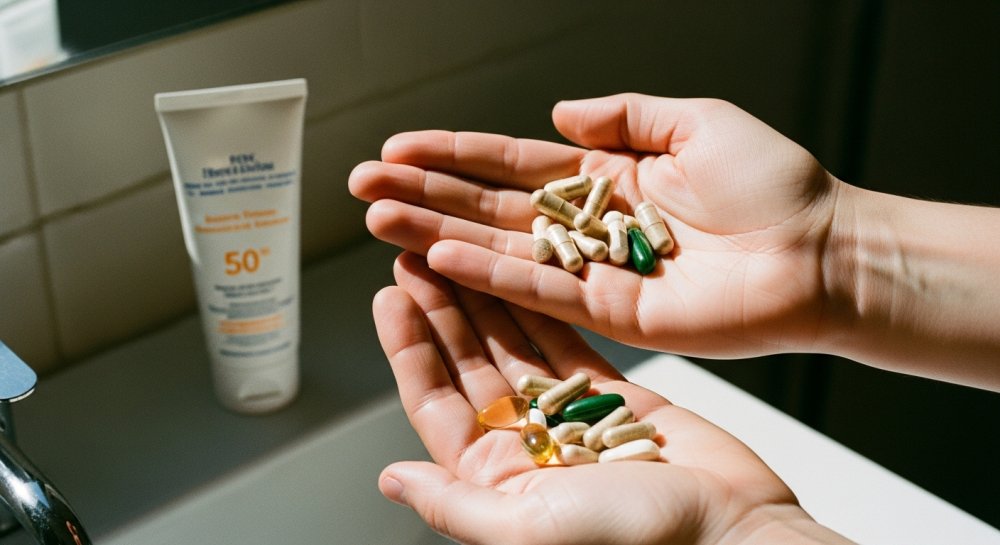
As summer approaches and Americans plan outdoor activities, a growing trend in sun protection has sparked debate among skin health experts. Dietary supplements marketed as internal sunscreens are gaining popularity, promising to shield skin from harmful UV rays from the inside out.
These products typically contain antioxidants like polypodium leucotomos, green tea extract, and beta-carotene. Manufacturers claim these ingredients can reduce inflammation and oxidative stress caused by sun exposure.
Board-certified dermatologists, however, urge caution about these claims. Dr. Jennifer Herrmann, a California-based dermatologist, emphasizes the limitations of oral supplements in sun protection.
“While certain antioxidants may offer marginal protection against cellular damage from UV radiation, they absolutely cannot replace traditional sunscreen,” Dr. Herrmann explains.
Research shows some supplements containing polypodium leucotomos may extend the time before skin begins to redden in the sun. Yet this benefit remains minimal compared to topical SPF products, which physically block or absorb UV rays before they penetrate the skin.
The American Academy of Dermatology maintains that broad-spectrum sunscreen with SPF 30 or higher remains the gold standard for sun protection. No oral supplement has demonstrated equivalent protective capability in clinical trials.
Dr. Joshua Zeichner, director of cosmetic and clinical research in dermatology at Mount Sinai Hospital in New York, acknowledges that antioxidant supplements may support overall skin health.
“These products might provide a small layer of additional defense, but they should never be your primary or sole method of sun protection,” Dr. Zeichner states.
The concern extends beyond effectiveness to safety. Relying on supplements instead of proven sun protection methods significantly increases the risk of sunburn, premature aging, and skin cancer—including melanoma, the deadliest form.
Health experts recommend a comprehensive approach to sun safety. This includes applying broad-spectrum sunscreen every two hours, seeking shade during peak sun hours between 10 a.m. and 4 p.m., and wearing protective clothing like wide-brimmed hats and UV-blocking sunglasses.
For those interested in supplementing their sun protection routine, dermatologists suggest focusing on antioxidant-rich foods first. Tomatoes, watermelon, leafy greens, and berries naturally contain compounds that may support skin resilience against environmental stressors.
The bottom line remains clear: traditional sun protection methods have decades of scientific evidence supporting their effectiveness. While supplements containing antioxidants may offer minor complementary benefits, they cannot substitute for proper sunscreen application and sun-safe behaviors.
As families prepare for outdoor summer activities, dermatologists emphasize that the most effective sun protection strategy combines multiple proven methods—with topical sunscreen as the essential foundation.
