Nutrition
Five Smart Snacks That Quiet Your Hunger Without the Calories

Health Points
- High-protein, high-fiber snacks under 200 calories can sustain energy and curb cravings between meals
- Strategic snacking helps stabilize blood sugar and prevents overeating at main meals
- Simple combinations like cottage cheese with berries or hummus with vegetables deliver maximum satisfaction with minimal calories
Between meals, the temptation to reach for empty calories can derail even the most disciplined eating plan. But smart snacking doesn’t require sacrifice—it requires strategy.
Nutrition experts point to a simple principle: combining protein with fiber creates lasting fullness without packing on calories. This approach satisfies genuine hunger while keeping daily calorie counts in check.
The key lies in choosing whole foods that work with your body’s natural satiety signals rather than against them. Here are five proven options that deliver on both taste and staying power.
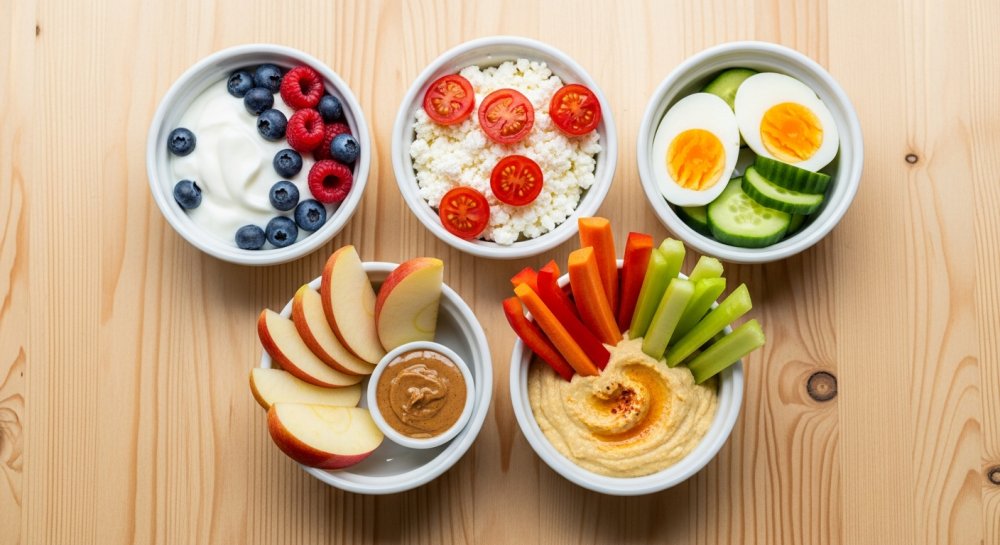
Greek Yogurt With Berries
A half-cup of plain Greek yogurt paired with a handful of fresh berries clocks in around 120 calories while delivering approximately 12 grams of protein. The protein content triggers satiety hormones that signal fullness to your brain.
The natural sugars in berries provide quick energy, while their fiber content slows digestion. This combination prevents the blood sugar spike and crash that leaves you hungrier than before.
Opt for plain varieties to avoid added sugars that can double or triple the calorie count without adding nutritional value.
Cottage Cheese and Cherry Tomatoes
Low-fat cottage cheese brings substantial protein—about 14 grams per half-cup serving—for roughly 80 calories. Paired with a cup of cherry tomatoes, this snack totals around 110 calories while providing volume that physically fills your stomach.
The high water content in tomatoes adds bulk without calories, while the protein in cottage cheese takes longer to digest. This dual mechanism extends the feeling of fullness between meals.
A sprinkle of black pepper or fresh basil enhances flavor without adding calories.
Apple Slices With Almond Butter
One medium apple with a tablespoon of almond butter creates a 170-calorie snack that balances natural sweetness with healthy fats. The fiber in the apple—about 4 grams—combined with the protein and fat in almond butter slows digestion considerably.
This slower digestive process means sustained energy release rather than a quick surge and subsequent crash. The crunch factor also matters—foods that require more chewing tend to feel more satisfying.
Measure the almond butter carefully, as portions can quickly exceed the tablespoon that keeps this snack in the low-calorie range.
Hummus With Vegetable Sticks
Two tablespoons of hummus paired with raw carrots, celery, and bell pepper strips delivers around 140 calories with significant fiber and plant-based protein. The chickpeas in hummus provide both nutrients that contribute to fullness.
Raw vegetables add volume and crunch while contributing minimal calories—you can eat a substantial amount without impacting your daily calorie budget. The variety of colors also ensures a range of vitamins and antioxidants.
Choose traditional hummus flavors over dessert varieties that often contain added sugars.
Hard-Boiled Eggs With Cucumber
Two hard-boiled eggs with sliced cucumber creates a 160-calorie snack packed with protein—about 12 grams. Eggs rank high on the satiety index, meaning they keep you fuller longer compared to many other foods at similar calorie levels.
Cucumber provides hydration and bulk with virtually no calories, letting you eat a generous portion. A dash of sea salt and paprika transforms this simple combination into something more interesting.
Preparing hard-boiled eggs in advance makes this option convenient for busy schedules when unhealthy choices become tempting.
The Science of Smart Snacking
Research consistently shows that protein and fiber work together to promote satiety more effectively than carbohydrates or fats alone. Protein triggers the release of hormones that signal fullness to the brain, while fiber physically slows the movement of food through your digestive system.
This combination means you feel satisfied longer and are less likely to overeat at your next meal. Strategic snacking also helps maintain stable blood sugar levels throughout the day, preventing the energy dips that drive poor food choices.
The calorie range of 100 to 200 per snack provides enough energy to bridge the gap between meals without significantly impacting your daily total. This approach supports weight management goals while preventing the excessive hunger that can derail healthy eating plans.
Building these snacks into your routine creates a sustainable pattern that doesn’t feel like deprivation—a crucial factor for long-term success.
