Lifestyle
The Nightly Routine Dermatologists Say Transforms Hair Health While You Sleep

Health Points
- Sleeping on silk pillowcases reduces hair friction by up to 43% compared to cotton, preventing breakage and split ends
- Weekly scalp massages increase blood circulation and can improve hair thickness within three months
- Limiting heat styling to twice weekly and using 350°F maximum temperature protects hair’s protein structure
Maintaining strong, healthy hair doesn’t require expensive salon treatments or complicated routines. According to leading dermatologists, the key lies in simple daily habits that protect hair from damage while promoting natural growth.
The foundation starts at night, experts say. Board-certified dermatologist Dr. Angela Lamb explains that friction during sleep causes significant hair damage most people never consider.
“Switching to a silk or satin pillowcase is one of the easiest changes anyone can make for their hair health. The smooth surface dramatically reduces the pulling and tugging that leads to breakage.”
Proper hair washing frequency remains one of the most misunderstood aspects of hair care. Contrary to popular belief, daily washing isn’t necessary for most people and can strip hair of essential natural oils.
Dermatologist Dr. Joshua Zeichner recommends adjusting washing schedules based on individual hair type and activity levels. Those with oily scalps may benefit from washing every other day, while people with dry or textured hair should limit washing to twice weekly.
“Over-washing removes the sebum your scalp produces to protect and moisturize your hair shaft. This leads to dryness, brittleness, and increased breakage,” Dr. Zeichner notes.
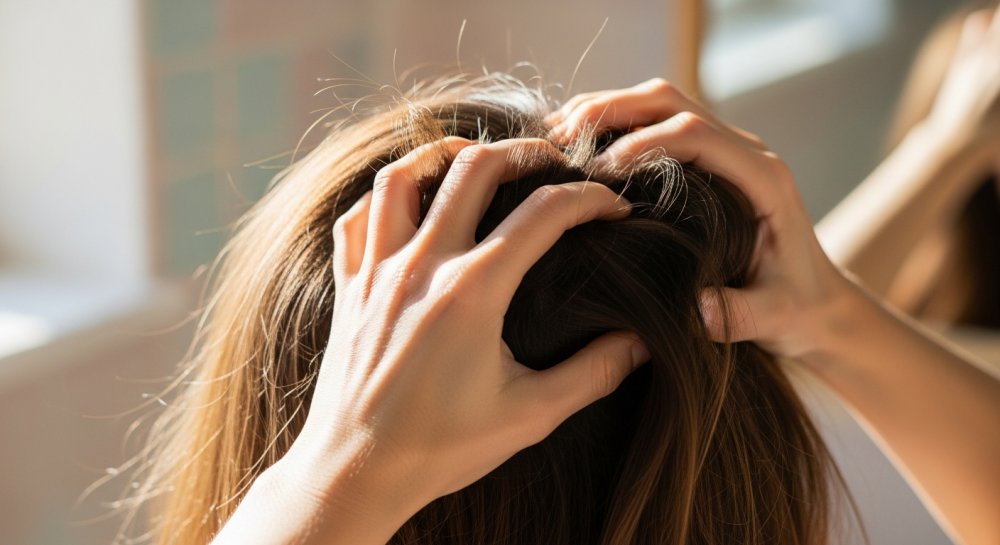
Scalp health forms the cornerstone of hair vitality. Weekly scalp massages using fingertips—not nails—stimulate blood flow to hair follicles, delivering essential nutrients that support growth.
Research published in dermatology journals shows consistent scalp massage can increase hair thickness measurably within 12 weeks. The technique requires only five minutes of gentle circular motions across the entire scalp.
Heat styling remains one of the primary causes of preventable hair damage. When heat tools are necessary, dermatologists emphasize the importance of temperature control and protective products.
“Never exceed 350 degrees Fahrenheit, and always apply a heat protectant spray before styling. These products create a barrier that shields hair from direct heat damage,” advises Dr. Lamb.
Diet plays a surprisingly significant role in hair strength and appearance. Hair follicles require adequate protein, iron, zinc, and B vitamins to function optimally.
Nutritional deficiencies often manifest first in hair quality before other symptoms appear. Including lean proteins, leafy greens, nuts, and omega-3 rich foods supports hair health from within.
Gentle detangling prevents unnecessary breakage that accumulates over time. Starting at the ends and working upward with a wide-tooth comb minimizes stress on hair shafts, especially when hair is wet and most vulnerable.
Dermatologists recommend applying a leave-in conditioner or detangling spray before combing to reduce friction further. This simple step can decrease breakage by up to 40%.
Chemical treatments including coloring, perming, and relaxing weaken hair structure when performed too frequently. Experts suggest spacing treatments at least eight weeks apart and using deep conditioning masks weekly to restore moisture and protein.
“Your hair needs time to recover between chemical processes. Rushing treatments leads to cumulative damage that eventually becomes irreversible,” Dr. Zeichner explains.
Trim schedules should align with individual hair goals and damage levels. While the traditional six-week trim recommendation suits those maintaining a specific length, others may extend this to eight or twelve weeks.
Regular trims remove split ends before they travel up the hair shaft, preventing more extensive damage that requires cutting greater length later. The investment in minor trims preserves overall hair health and appearance.
UV protection extends beyond skin care. Sun exposure degrades hair protein and fades color, particularly during peak summer months.
Wearing hats during extended outdoor activities or using UV-protectant hair sprays shields hair from photodamage. These preventive measures maintain hair strength and color vibrancy year-round.
Stress management unexpectedly influences hair health through hormonal pathways. Chronic stress triggers increased cortisol production, which can push hair follicles into resting phase prematurely, leading to increased shedding.
Incorporating stress-reduction techniques such as regular exercise, adequate sleep, and mindfulness practices supports not only overall health but specifically protects hair growth cycles. Studies indicate that managing stress can reduce excessive hair shedding within two to three months.
Consistency matters more than perfection in hair care routines. Small, sustainable changes maintained over time produce far better results than sporadic intensive treatments, dermatologists emphasize.
By implementing these evidence-based habits gradually, most people notice visible improvements in hair texture, strength, and appearance within three months. The approach requires minimal time investment while delivering substantial benefits that compound over years of consistent practice.
