Movement
A Single Stretch Session Transformed My Understanding of Aging Well

Health Points
- Assisted stretching sessions with trained professionals can improve flexibility and mobility more effectively than solo stretching
- Regular stretching helps maintain independence and reduces injury risk as we age, particularly for those over 40
- Professional stretch therapists can identify and address muscle imbalances that contribute to chronic pain and limited range of motion
When Sarah Mitchell walked into her first professional stretching studio at age 52, she didn’t expect much beyond a pleasant hour of relaxation. What she discovered instead was a profound shift in how she viewed her body’s potential as she ages.
“I always thought getting stiffer was just part of growing older,” Mitchell recalls. “But after that first session, I realized I had more control over my mobility than I’d been led to believe.”
Professional assisted stretching has emerged as one of the fastest-growing wellness practices for adults seeking to maintain their physical independence and vitality. Unlike traditional massage or physical therapy, these sessions focus exclusively on improving flexibility and range of motion through carefully guided movements.
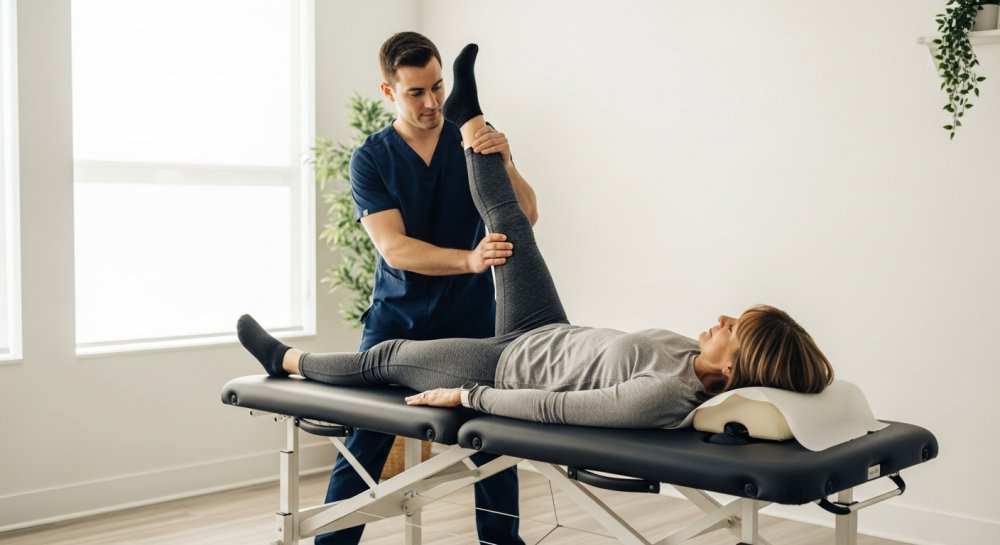
During a typical session, a trained stretch therapist guides clients through a series of passive stretches while they lie on a comfortable table. The therapist applies gentle pressure and manipulates limbs to achieve deeper stretches than most people can accomplish on their own.
Dr. Michael Chen, a sports medicine physician who frequently recommends assisted stretching to his patients over 40, explains the science behind the practice. “As we age, our fascia—the connective tissue surrounding our muscles—becomes less pliable,” he notes. “Regular stretching helps maintain that tissue elasticity, which is crucial for preventing falls and maintaining an active lifestyle.”
For Mitchell, the benefits extended beyond the physical. “My stretch therapist identified tightness in my hip flexors that was contributing to my lower back pain,” she explains. “After six weeks of regular sessions, that nagging discomfort I’d lived with for years had dramatically improved.”
The experience also changed her perspective on what healthy aging looks like. Rather than accepting physical limitations as inevitable, she began viewing flexibility as something she could actively cultivate and protect.
“I used to think staying healthy meant eating right and doing cardio,” Mitchell says. “Now I understand that maintaining my mobility is just as important for living independently as I get older.”
Stretch therapists emphasize that the practice works best as part of a comprehensive wellness routine. While sessions typically last 30 to 60 minutes, clients are also taught simple stretches they can perform at home between appointments.
Jennifer Walsh, a certified stretch therapist with 15 years of experience, sees clients of all ages but notes a particular enthusiasm among those in midlife and beyond. “People in their 40s, 50s, and 60s often come in because they’ve noticed they can’t move the way they used to,” she observes. “They’re motivated to reclaim that functionality.”
The cost of professional stretching varies, with most studios charging between $50 and $100 per session. While not typically covered by insurance, many practitioners offer package deals that reduce the per-session price.
For those considering trying assisted stretching, experts recommend looking for therapists with proper certification and asking about their experience working with your age group and any specific concerns you may have.
Mitchell now attends stretching sessions twice monthly and has incorporated daily stretching into her morning routine. The investment, she says, pays dividends in how she feels moving through her day.
“I’m not trying to reverse time or pretend I’m 25 again,” she reflects. “But I refuse to accept that aging means giving up activities I love or struggling with basic movements. This practice has shown me there’s a better path forward.”
As more adults seek proactive approaches to healthy aging, professional stretching offers a practical tool for maintaining the mobility and independence that makes life’s later chapters fulfilling and active.
