Nutrition
The Surprising Winner in the Zucchini vs. Cucumber Showdown

Health Points
- Both vegetables provide excellent hydration with over 94% water content, making them ideal for staying hydrated during warmer months
- Cucumbers edge out zucchini in hydration but zucchini offers significantly more vitamins A and C for immune support
- The best choice depends on whether you eat them raw or cooked—cucumbers excel in salads while zucchini shines when prepared with heat
When reaching for a refreshing vegetable to beat the heat or boost your nutrient intake, two garden favorites often come to mind. But which one deserves a permanent spot on your plate?
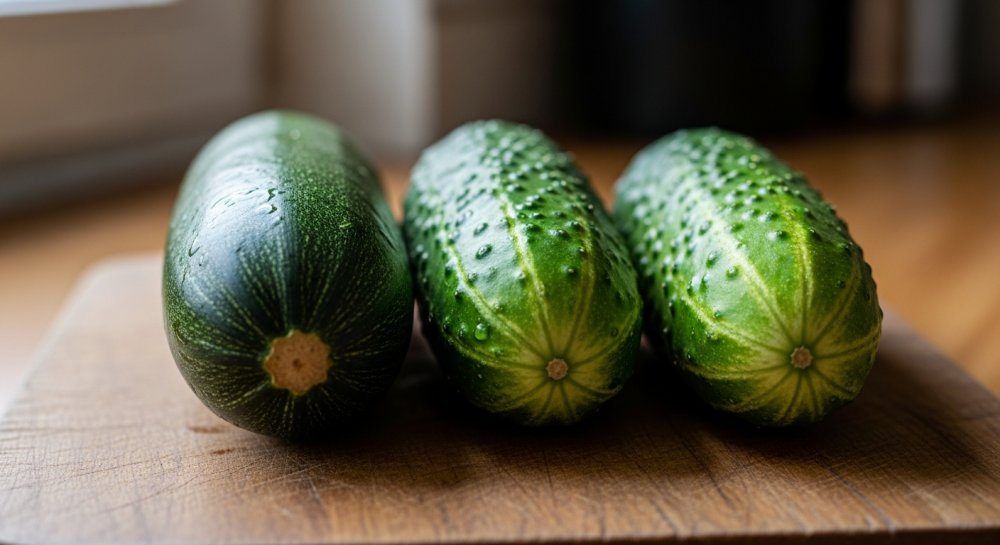
Both zucchini and cucumber belong to the gourd family and share a similar appearance that can confuse even experienced shoppers. The distinction goes far beyond their role in the kitchen, however—these vegetables offer unique nutritional profiles that make each valuable for different health goals.
The Hydration Champion
For pure hydration power, cucumbers take a slight lead with 95% water content compared to zucchini’s 94%. That extra percentage point may seem negligible, but it adds up when you’re looking to increase fluid intake through whole foods. Both vegetables provide an excellent way to stay hydrated while adding minimal calories to your diet.
“Water-rich vegetables like cucumbers and zucchini are excellent additions to a healthy diet, especially during hot weather when hydration needs increase,” notes registered dietitian Sarah Thompson. “They help you meet your fluid needs while providing essential nutrients.”
The high water content in both vegetables means they’re naturally low in calories. A cup of sliced cucumber contains just 16 calories, while the same amount of sliced zucchini has about 20 calories—making either choice ideal for those watching their caloric intake without sacrificing volume or satisfaction.
Nutritional Differences That Matter
While hydration levels are nearly identical, the vitamin and mineral profiles reveal more significant differences. Zucchini contains substantially more vitamin A, providing important support for vision, immune function, and skin health. It also offers higher levels of vitamin C, an antioxidant crucial for immune defense and collagen production.
Cucumbers counter with their own advantages, particularly in the mineral department. They provide slightly more potassium, which supports healthy blood pressure levels and proper muscle function—important considerations for active adults over 40.
Both vegetables contain vitamin K, essential for blood clotting and bone health, though zucchini edges ahead in this nutrient as well. The fiber content remains comparable between the two, with each offering about one gram per cup when raw.
Raw or Cooked: The Preparation Factor
The way you prepare these vegetables significantly impacts their nutritional value and digestibility. Cucumbers are typically enjoyed raw in salads, sandwiches, or as crunchy snacks with dip. This preservation of their raw state maintains their maximum water content and keeps heat-sensitive vitamins intact.
Zucchini offers more versatility in the kitchen. While it can be eaten raw, many people find it more palatable when cooked. Sautéing, grilling, or roasting zucchini can enhance its flavor and make certain nutrients more bioavailable—though some water-soluble vitamins may decrease with heat exposure.
“Cooking zucchini can actually make some of its beneficial compounds easier for your body to absorb,” explains nutritionist Michael Chen. “The slight nutrient loss from cooking is often offset by improved digestibility and increased consumption.”
Digestive Considerations for Mature Adults
For individuals over 40, digestive comfort becomes an increasingly important factor in food choices. Both vegetables are generally well-tolerated and provide fiber that supports healthy digestion and regular bowel movements.
The skin of both zucchini and cucumber contains the majority of their fiber and many beneficial compounds. However, some people with sensitive digestive systems may find cucumber skins harder to digest. In such cases, peeling cucumbers or choosing the English variety with thinner skins can help.
Zucchini typically causes fewer digestive concerns, especially when cooked, as the heating process breaks down some of the tougher plant fibers. This makes cooked zucchini an excellent choice for those recovering from digestive issues or looking for gentle, nutrient-dense foods.
Practical Tips for Including Both
Rather than choosing one over the other, incorporating both vegetables into your regular meal rotation provides the widest range of nutrients and keeps your palate interested. Cucumbers work beautifully in cold dishes, providing crunch and hydration to salads, grain bowls, and refreshing water infusions.
Zucchini adapts to countless cooking methods. Spiralized into “zoodles” as a pasta alternative, diced into stir-fries, grilled as a side dish, or even baked into surprisingly moist breads and muffins, this vegetable offers endless possibilities for boosting vegetable intake in creative ways.
For maximum nutritional benefit, aim to eat the skin whenever possible, as this is where many of the beneficial compounds concentrate. Always wash produce thoroughly before consumption, and consider choosing organic options when available to minimize pesticide exposure.
The Bottom Line
The question of which vegetable reigns supreme doesn’t have a single answer. Cucumbers win for pure hydration and raw preparation, making them ideal for quick snacks and hot summer days. Zucchini provides more vitamins A and C and offers greater culinary versatility for cooked dishes.
Both vegetables deserve a place in a balanced, health-conscious diet for adults over 40. They’re low in calories, high in water content, and provide valuable nutrients that support overall wellness. The best choice is simply the one you’ll actually eat—and there’s no reason that can’t be both.
