Nutrition
The Unexpected Longevity Secret Hiding in Your Pantry

Health Points
- Beans are packed with fiber, protein, and essential nutrients that support heart health and blood sugar control
- Different varieties offer unique nutritional profiles, with some providing superior antioxidant and mineral content
- Regular bean consumption is linked to reduced disease risk and improved digestive health
For Americans seeking practical ways to enhance their health after 40, the answer may be simpler than the latest supplement trend or expensive superfood. Humble beans—a staple that’s sustained civilizations for millennia—are emerging as one of the most powerful foods for promoting longevity and preventing chronic disease.
These nutritional powerhouses deliver an impressive combination of plant-based protein, fiber, vitamins, and minerals at a fraction of the cost of trendy health foods. What makes beans particularly valuable is their versatility and accessibility, making healthy eating achievable for families across all income levels.
Nutritionists emphasize that beans stand out among plant foods for their complete nutritional profile. They provide substantial protein while delivering the fiber most Americans desperately lack. This combination helps regulate blood sugar, supports digestive health, and promotes the feeling of fullness that aids weight management—concerns particularly relevant for those navigating midlife metabolic changes.
The fiber content in beans deserves special attention. Just one cup of most bean varieties provides nearly half the daily recommended fiber intake. This soluble fiber helps lower cholesterol levels and feeds beneficial gut bacteria, supporting both cardiovascular and immune system health.
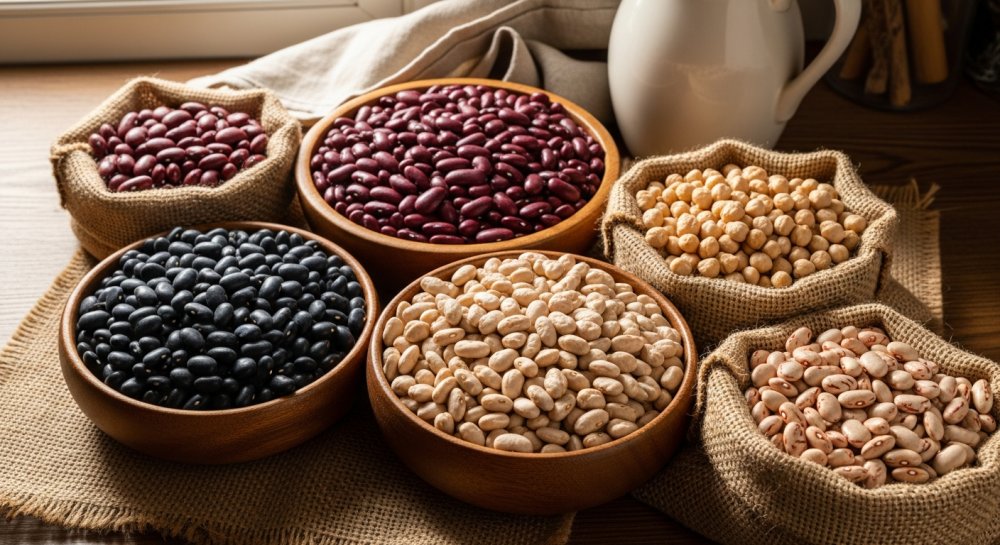
Among the dozens of bean varieties available, several stand out for their exceptional nutritional benefits. Black beans lead the pack with their high antioxidant content, comparable to fruits like blueberries. These antioxidants combat inflammation and oxidative stress, processes linked to aging and chronic disease.
Kidney beans offer impressive amounts of folate and iron, nutrients essential for energy production and cellular health. For women over 40, who face increased anemia risk, kidney beans provide a plant-based iron source that, when paired with vitamin C-rich foods, supports healthy blood cell production.
Navy beans contain exceptionally high fiber levels and significant amounts of resistant starch, which passes through the digestive system unchanged, feeding beneficial bacteria while supporting stable blood sugar levels. This makes them particularly valuable for those managing or preventing type 2 diabetes.
Chickpeas, while technically legumes in the same family, deserve recognition for their unique nutritional profile. They’re rich in manganese, a mineral supporting bone health—a critical consideration for aging adults concerned about osteoporosis. Chickpeas also provide substantial amounts of folate and plant compounds that may support hormonal balance.
Pinto beans offer an excellent balance of protein and fiber while being particularly rich in magnesium and potassium, minerals that support healthy blood pressure. Given that hypertension affects nearly half of American adults, incorporating pinto beans into regular meal rotation offers a food-based approach to cardiovascular health.
The research supporting bean consumption is compelling. Studies consistently show that people who regularly eat beans have lower body weights, smaller waist circumferences, and reduced risk of obesity compared to those who avoid them. This occurs despite beans being relatively calorie-dense, suggesting their fiber and protein combination promotes natural portion control.
Cardiovascular benefits are equally impressive. Regular bean consumption is associated with lower LDL cholesterol levels and reduced heart disease risk. The soluble fiber in beans binds to cholesterol in the digestive tract, preventing its absorption and naturally supporting healthy cholesterol levels.
For those concerned about the digestive discomfort sometimes associated with beans, nutritionists recommend starting with smaller portions and gradually increasing intake as the digestive system adapts. Rinsing canned beans thoroughly removes excess sodium and some of the compounds that cause gas. Cooking dried beans with kombu, a type of seaweed, can also reduce digestive side effects.
The preparation method matters less than consistent consumption. Whether using convenient canned varieties or preparing dried beans from scratch, the nutritional benefits remain substantial. Canned beans offer time-pressed families a practical option, though choosing low-sodium versions and rinsing them reduces unnecessary salt intake.
Incorporating beans into the American diet doesn’t require exotic recipes or complicated cooking techniques. Adding beans to familiar dishes—mixing them into ground meat for tacos, stirring them into soups, or mashing them as a side dish—makes this nutritional upgrade seamless.
The economic advantage of beans cannot be overlooked. At a time when healthy eating can feel financially prohibitive, beans provide premium nutrition at budget-friendly prices. A pound of dried beans costs less than a single prepared health food item and provides multiple servings of complete nutrition.
For families prioritizing both health and fiscal responsibility, beans represent a practical solution that doesn’t sacrifice quality or nutrition. They store well, have long shelf lives, and require minimal preparation skills, making them accessible to cooks of all experience levels.
The return to traditional, whole foods like beans reflects a growing recognition that the most effective health strategies often aren’t the newest or most expensive options. Sometimes the wisdom of previous generations—who relied on beans as a dietary staple—offers more value than the latest wellness trend.
As Americans seek sustainable approaches to healthy aging, beans provide a foundation that supports multiple health goals simultaneously. They promote heart health, support weight management, stabilize blood sugar, and provide essential nutrients—all while being environmentally sustainable and economically sensible.
The evidence is clear: incorporating a variety of beans into regular meal rotation represents one of the simplest, most effective dietary changes available. For those over 40 looking to invest in their long-term health, the humble bean offers remarkable returns.
