Health
The One Spider Bite That Doctors Say You Should Never Ignore

Health Points
- Brown recluse spider bites often start with mild symptoms that can escalate into serious tissue damage within hours
- The distinctive violin-shaped marking on the spider’s back helps identify this venomous species found primarily in the South and Midwest
- Immediate medical attention and proper wound care can prevent severe complications including necrotic skin lesions
When it comes to spider bites, most are relatively harmless—causing minor irritation at worst. But there’s one species that health experts say deserves your immediate attention: the brown recluse spider.
These small, venomous arachnids pack a punch that can lead to serious medical complications if left untreated. Understanding how to identify a brown recluse bite could make the difference between a quick recovery and weeks of painful healing.
Recognizing the Brown Recluse Spider
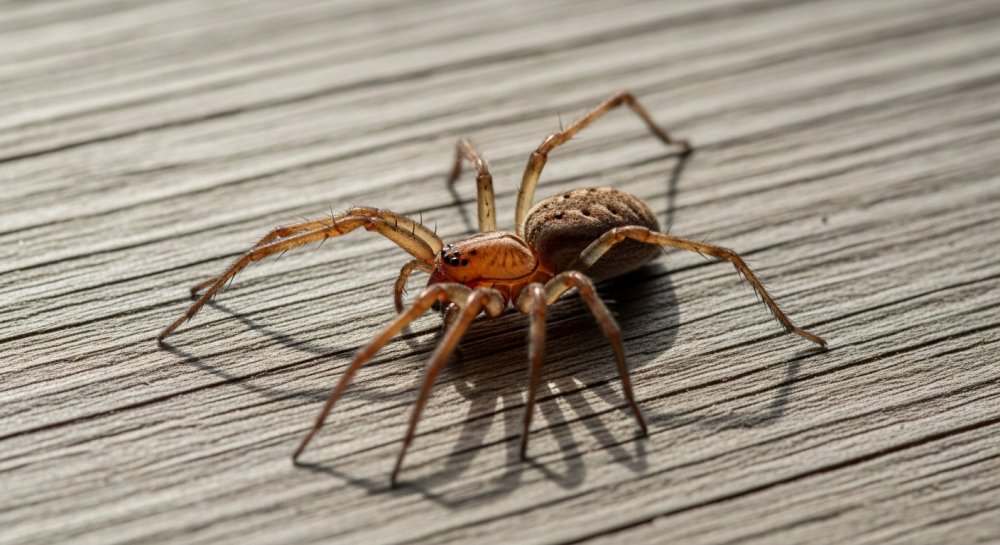
The brown recluse spider gets its name from its reclusive nature—it prefers dark, undisturbed spaces like closets, attics, and storage areas. These spiders are typically light to medium brown and measure about a quarter to three-quarters of an inch in body length.
The most distinctive feature is the violin-shaped marking on their back, which has earned them the nickname “fiddle-back spider.” However, this marking can be faint and difficult to spot, so it shouldn’t be the only identifying characteristic you rely on.
Brown recluse spiders are primarily found in the South and Midwest United States, particularly in states like Missouri, Kansas, Arkansas, Louisiana, Oklahoma, and Texas. They rarely venture outside their established territory.
Initial Bite Symptoms
Here’s what makes brown recluse bites particularly tricky: you might not feel anything at first. Many people don’t even realize they’ve been bitten until hours later when symptoms begin to develop.
When symptoms do appear, the bite site may initially resemble a small red mark or bump, similar to other insect bites. Some people report a mild stinging or burning sensation at the bite location.
Within the first few hours, you might notice the area becoming tender or itchy. The skin around the bite may start to feel firm to the touch.
Warning Signs of Venom Reaction
As the venom begins to work, more serious symptoms can develop. The bite area may develop a distinctive bull’s-eye appearance, with a pale center surrounded by redness and then a darker ring.
Blistering at the bite site is a common sign that the venom is affecting tissue. The blister may be surrounded by a purple or blue discoloration as blood vessels are damaged.
Systemic symptoms can include fever, chills, nausea, and body aches. Some people experience a rash that spreads beyond the immediate bite area.
“The venom of a brown recluse spider contains enzymes that can cause significant tissue destruction,” explains Dr. Michael Smith, an emergency medicine physician. “What starts as a small bite can evolve into a serious wound if the venom isn’t neutralized quickly.”
In severe cases, the bite can lead to necrosis—the death of skin and underlying tissue. This creates an open wound that can take months to heal and may require surgical intervention.
When to Seek Medical Care
Medical experts recommend seeking immediate care if you suspect a brown recluse bite, especially if you live in an area where these spiders are common. Don’t wait for severe symptoms to develop.
Seek emergency medical attention if you experience difficulty breathing, severe pain, intense swelling, or signs of infection. These symptoms could indicate a serious reaction requiring immediate intervention.
You should also contact a healthcare provider if the bite site begins to develop a dark center or if you notice increasing redness and warmth spreading from the wound. These signs suggest tissue damage is progressing.
Treatment Options
While there’s no specific antivenom for brown recluse bites available in the United States, medical professionals can provide supportive care to minimize damage. Treatment typically focuses on wound care and preventing secondary infection.
Doctors may prescribe antibiotics if infection develops, though antibiotics don’t treat the venom itself. Pain management medications can help with discomfort during the healing process.
In some cases, healthcare providers may recommend elevation and ice application to reduce swelling. Keeping the wound clean and properly dressed is essential for healing.
“Early intervention is key,” notes Dr. Sarah Johnson, a dermatologist specializing in bite wounds. “The sooner we can begin treatment, the better chance we have of preventing extensive tissue damage and scarring.”
For severe bites that result in significant necrosis, surgical debridement—removal of dead tissue—may be necessary. This procedure helps prevent infection and promotes healing, though it may leave scarring.
Prevention Strategies
The best defense against brown recluse bites is avoiding encounters with these spiders altogether. Regular cleaning and decluttering of storage areas, closets, and basements reduces hiding spots.
Shake out clothing, shoes, and bedding before use, especially if they’ve been stored or left undisturbed. Brown recluse spiders often hide in fabric folds and dark spaces.
Seal cracks and crevices in your home’s foundation and walls to prevent spiders from entering. Installing door sweeps and repairing window screens provides additional protection.
When working in areas where brown recluse spiders might live, wear protective clothing including long sleeves, pants, and gloves. This simple precaution can prevent many bites.
Common Misconceptions
Contrary to popular belief, not all brown recluse bites lead to severe necrosis. Many bites heal on their own with minimal intervention, though medical evaluation is still recommended.
Another misconception is that applying heat to the bite will neutralize the venom. In reality, heat can increase blood flow and potentially spread the venom more quickly throughout the tissue.
Some people believe that cutting and sucking the venom out will help, but this outdated practice can cause more harm than good by introducing bacteria and causing additional tissue damage.
Recovery and Healing
Recovery time varies depending on the severity of the bite. Minor bites may heal within a few weeks, while more severe cases can take several months.
Proper wound care during recovery is essential for preventing complications. Follow your healthcare provider’s instructions carefully regarding cleaning, dressing changes, and activity restrictions.
Some individuals may experience scarring, particularly if the bite caused significant tissue damage. Scar management treatments may be recommended once the wound has fully healed.
For those over 40, healing may take longer due to age-related changes in skin elasticity and immune function. Extra attention to wound care and nutrition can support the healing process.
Maintaining overall health through proper nutrition, hydration, and adequate rest helps your body fight infection and repair damaged tissue more effectively. Don’t hesitate to ask your healthcare provider about supplements or dietary changes that might support healing.
