Nutrition
What Sushi Really Does to Your Body After 40

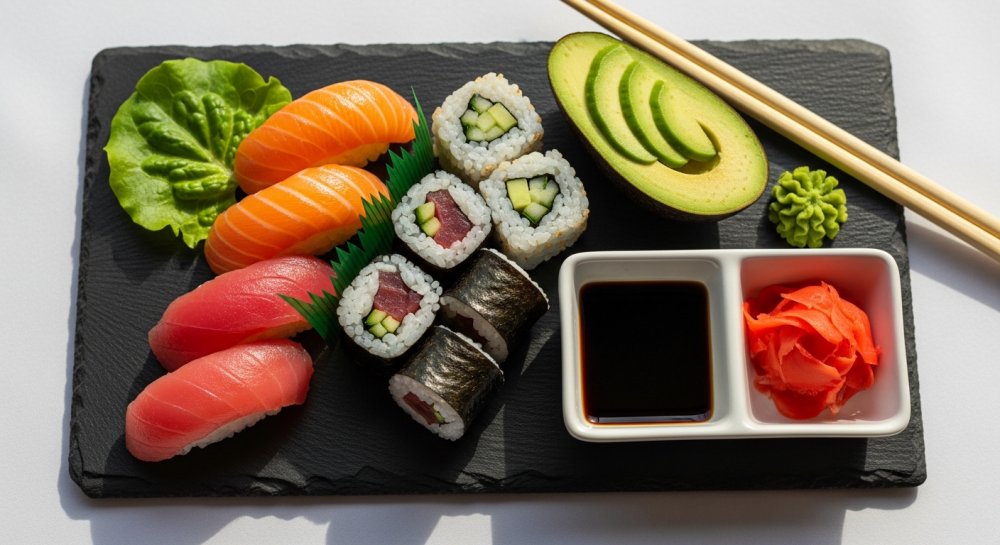
Health Points
- Sushi offers lean protein, omega-3 fatty acids, and essential nutrients when prepared with fresh fish and minimal processing
- High sodium content from soy sauce and sodium-laden ingredients can increase blood pressure and cardiovascular risk in adults over 40
- Mercury exposure from certain fish species poses health concerns, particularly for women of childbearing age and frequent sushi consumers
Americans have embraced sushi as a healthier dining option, but nutritionists say this Japanese staple presents both benefits and hidden risks that become more significant after age 40.
The popular restaurant choice delivers impressive nutritional value when ordered strategically. Fresh fish provides high-quality protein with minimal saturated fat, while omega-3 fatty acids support heart and brain health during midlife and beyond.
Sushi can be an excellent source of lean protein and healthy fats, particularly for adults concerned about cardiovascular health,
says registered dietitian nutritionist Amy Gorin, MS, RDN. The key is understanding which choices maximize benefits and which introduce unnecessary risks.
Traditional sushi preparations featuring salmon, tuna, and mackerel contain docosahexaenoic acid (DHA) and eicosapentaenoic acid (EPA)—omega-3 fatty acids linked to reduced inflammation and improved cognitive function. These compounds become increasingly important as adults face age-related health challenges.
The vegetable components add fiber, vitamins, and minerals without excess calories. Seaweed wrapping provides iodine for thyroid function, while cucumber, avocado, and other fresh vegetables contribute antioxidants and phytonutrients that support cellular health.
However, sodium content emerges as a primary concern for health-conscious diners over 40. A single tablespoon of soy sauce contains approximately 900 milligrams of sodium—nearly 40 percent of the recommended daily limit for adults with normal blood pressure, and more than half the limit for those managing hypertension.
Many people don’t realize they’re consuming a full day’s worth of sodium in a single sushi meal,
explains cardiologist Dr. Michael Chen, MD, FACC. When you factor in pickled ginger, miso soup, and sodium-heavy sauces, you’re looking at levels that can significantly impact blood pressure.
Mercury accumulation presents another hidden risk, particularly in larger predatory fish. Bluefin tuna, swordfish, and king mackerel contain elevated mercury levels that accumulate in human tissues over time, potentially affecting neurological function and cardiovascular health.
The Food and Drug Administration recommends limiting consumption of high-mercury fish, especially for women who may become pregnant, pregnant women, nursing mothers, and young children. Adults over 40 who eat sushi multiple times weekly should also monitor their intake of these species.
Food safety concerns extend beyond mercury. Raw fish carries potential for bacterial contamination, parasites, and foodborne illness—risks that increase with compromised immune systems or underlying health conditions common in middle age.
Tempura preparations and cream cheese additions transform lighter options into calorie-dense choices with excess saturated fat. These Americanized variations can quickly elevate a meal from 400 calories to over 1,000 calories, while adding minimal nutritional value.
The difference between a healthy sushi meal and an unhealthy one often comes down to preparation method and portion size,
notes Gorin. Simple rolls with fresh fish and vegetables support health goals, while fried, mayo-heavy options work against them.
Strategic ordering maximizes nutritional benefits while minimizing health risks. Salmon and sardines offer optimal omega-3 content with lower mercury levels compared to tuna and swordfish.
Requesting soy sauce on the side allows diners to control sodium intake—a small dish for dipping uses significantly less than pouring directly over rolls. Brown rice provides additional fiber and nutrients compared to white rice options.
Vegetable-forward rolls emphasizing cucumber, avocado, and leafy greens increase nutrient density without excess calories or sodium. Edamame as an appetizer adds plant-based protein and fiber that promotes satiety.
Choosing restaurants with established reputations for freshness and food safety reduces contamination risks. Visible cleanliness standards, proper refrigeration, and high customer turnover indicate better handling practices.
I tell patients to think of sushi as a nutritious option when approached mindfully,
Dr. Chen advises. Understanding what you’re ordering and how it’s prepared makes all the difference for long-term health.
For adults navigating dietary choices after 40, sushi remains a viable option when balanced with awareness of sodium content, mercury risks, and preparation methods. The traditional emphasis on fresh ingredients and minimal processing aligns with health-promoting dietary patterns—provided diners make informed selections.
