Nutrition
Experts Reveal What Happens When You Eat Avocado Seeds

Health Points
- Avocado seeds contain antioxidants and bioactive compounds, but also potentially harmful substances that haven’t been fully studied for human consumption
- The FDA has not approved avocado seeds as safe for eating, and nutrition experts caution against consuming them due to unknown risks
- The edible flesh of avocados provides ample heart-healthy fats, fiber, and nutrients without any safety concerns
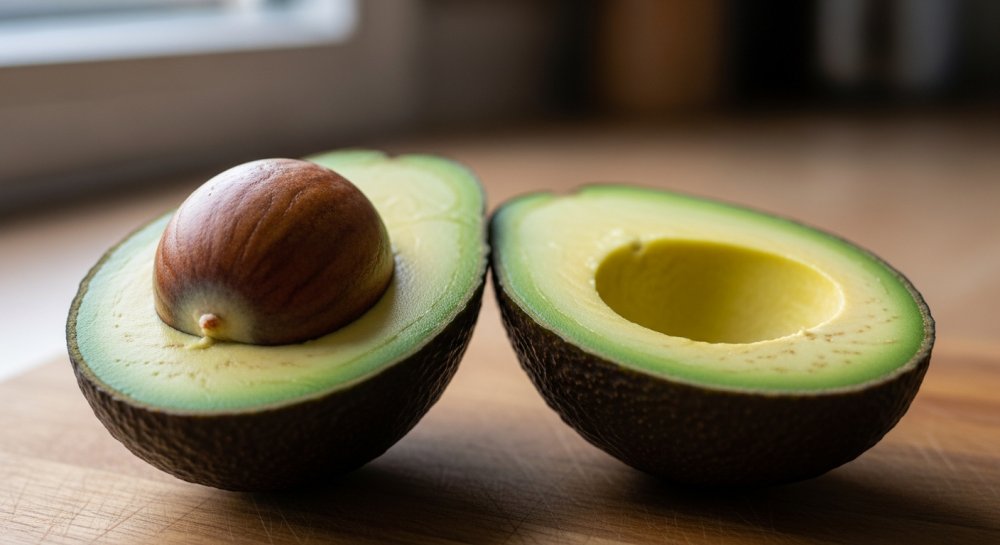
Avocado toast enthusiasts and guacamole lovers have long celebrated the creamy green fruit as a nutritional powerhouse. But what about the large, hard seed nestled inside? Some wellness influencers have started touting avocado seeds as the next superfood, claiming they’re packed with health benefits. The truth, according to nutrition experts, is far more complicated.
The trend of consuming avocado seeds—often by drying, grinding, and adding them to smoothies—has gained traction on social media in recent years. Proponents claim the seeds offer everything from improved digestion to weight loss benefits. But registered dietitians and food safety experts are urging caution, pointing out that avocado seeds haven’t been studied enough to determine if they’re safe for human consumption.
“While avocado seeds do contain some beneficial compounds like antioxidants, they also contain substances that could potentially be harmful,” explains Dr. Sarah Mitchell, a nutrition researcher at the University of California. “We simply don’t have enough data on what happens when people consume these seeds regularly.”
The Food and Drug Administration has not approved avocado seeds as safe to eat. Unlike the flesh of the avocado, which has been consumed safely for thousands of years, the seed remains largely unstudied in terms of human health effects. Some research has identified compounds in avocado seeds that showed promise in laboratory settings, but these studies don’t translate directly to benefits for people eating ground-up seeds.
Avocado seeds contain tannins, which give them a bitter taste and can interfere with nutrient absorption when consumed in large amounts. They also contain trace amounts of persin, a fungicidal toxin that’s harmless to humans in small doses but can be dangerous to many animals. The concentration of these substances in the seed is significantly higher than in the edible portion of the fruit.
“There’s no nutritional need to eat the seed when the avocado flesh itself is so nutrient-dense,” notes registered dietitian nutritionist Amanda Chen. “You’re getting heart-healthy monounsaturated fats, fiber, potassium, vitamins E and K, and folate from the part of the avocado we know is safe.”
For those looking to maximize the nutritional benefits of their avocados, experts recommend focusing on the flesh. A medium avocado contains about 240 calories, 13 grams of fiber, and nearly 20 vitamins and minerals. The healthy fats in avocados can help your body absorb fat-soluble vitamins from other foods you eat alongside them.
The rise in avocado seed consumption appears to stem from a broader wellness trend of finding uses for food scraps and a desire to extract maximum nutrition from every part of our food. While these intentions are admirable, nutrition science doesn’t support taking unnecessary risks with understudied plant parts.
“We have so many foods that are proven safe and nutritious,” Dr. Mitchell adds. “There’s no reason to experiment with something that might carry risks when we don’t even know what benefits, if any, might outweigh those risks.”
Until more research emerges, the consensus among registered dietitians and food safety experts remains clear: stick to eating the creamy green flesh and leave the seed in the compost bin. Your body will thank you for the healthy fats and fiber, and you won’t be exposing yourself to potentially harmful compounds that science hasn’t fully understood yet.
For anyone who has already experimented with consuming avocado seeds, occasional small amounts are unlikely to cause immediate harm. However, making them a regular part of your diet is not recommended until more comprehensive safety studies are completed. As with many food trends that promise dramatic health benefits, the wisest approach is often the most traditional one—in this case, enjoying avocados the way they’ve been safely consumed for generations.
