Nutrition
Twelve Ancient Grains Now Linked to Faster Metabolism

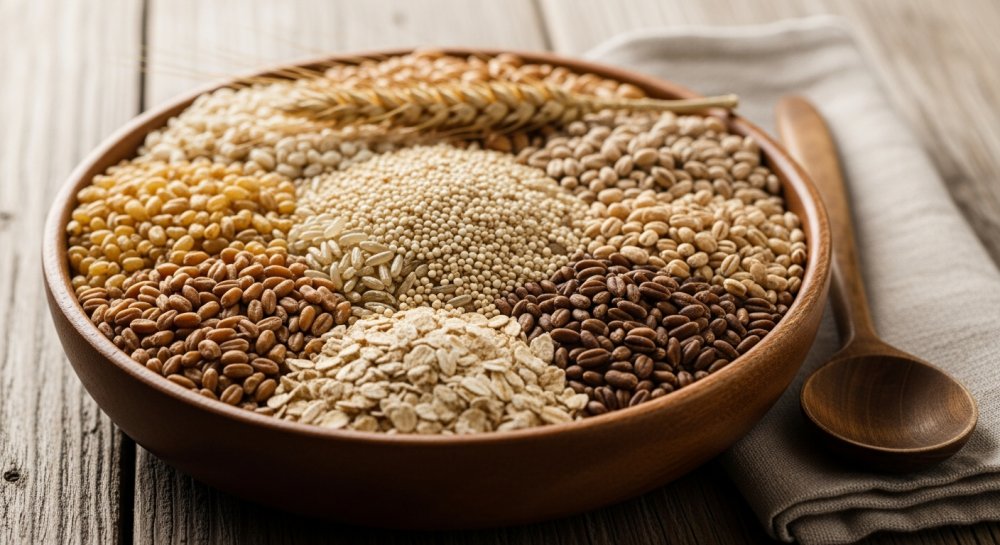
Health Points
- Whole grains contain fiber and resistant starch that slow digestion and stabilize blood sugar levels
- Studies show people who regularly eat whole grains have lower body mass indexes and less belly fat
- Switching refined grains for whole grain alternatives can reduce daily calorie absorption by up to 100 calories
Americans looking to shed pounds without sacrificing satisfaction at mealtime are rediscovering what generations before the industrial food revolution already knew: whole grains deliver lasting energy and natural appetite control that processed alternatives simply cannot match.
Recent research confirms what common sense suggests. People who regularly consume whole grains maintain healthier body weights than those who favor refined flour products, and the science behind this advantage centers on how our bodies process these traditional foods versus their modern counterparts.
Whole grains retain all three parts of the original kernel—the fiber-rich bran, the nutrient-dense germ, and the starchy endosperm. This complete package means slower digestion, steadier blood sugar, and prolonged fullness that naturally reduces overeating throughout the day.
“Whole grains provide a sustained release of energy rather than the quick spike and crash you get from refined carbohydrates,” explains registered dietitian Sarah Johnson. “That difference translates directly into better appetite control and fewer total calories consumed.”
Brown rice stands as perhaps the most accessible whole grain option for families making the switch from white rice. The tan-colored kernels require slightly longer cooking time but deliver three times the fiber and significantly more magnesium, phosphorus, and B vitamins than their polished white counterparts.
Quinoa has gained popularity in recent years, though this complete protein source has sustained Andean populations for thousands of years. Each cooked cup provides eight grams of protein and five grams of fiber, making it particularly valuable for those reducing meat consumption while managing their weight.
Oats remain a breakfast staple with good reason. The soluble fiber called beta-glucan found in oatmeal has been shown to reduce cholesterol levels while promoting feelings of fullness that can last until lunch.
“Starting your day with a bowl of steel-cut oats or old-fashioned rolled oats sets you up for better food choices throughout the day,” notes nutrition researcher Dr. Michael Chen. “The fiber content literally changes how your body processes the food that comes after it.”
Barley offers similar benefits with a pleasant, chewy texture that works well in soups and side dishes. This underutilized grain contains more fiber per serving than most other whole grains and has been associated with improved blood sugar control in multiple studies.
Bulgur wheat, a staple in Middle Eastern cuisine, cooks quickly and provides a nutty flavor that complements both savory and sweet preparations. Because the wheat berries are parboiled before cracking, bulgur retains most of its nutritional value while requiring minimal cooking time.
Farro, an ancient wheat variety, has returned to American tables after decades of obscurity. The hearty grain maintains a firm texture even after cooking, making it ideal for grain salads and bowls that can be prepared ahead for convenient weekday meals.
Millet serves as a gluten-free alternative with a mild, slightly sweet flavor. This small-seeded grain can be cooked into a creamy porridge or prepared as a fluffy pilaf, offering versatility for those with gluten sensitivities.
Buckwheat, despite its name, contains no wheat and provides a complete protein profile rare among plant foods. The distinctive triangular seeds can be ground into flour for pancakes or cooked whole as a side dish.
“The variety available in whole grains means no one needs to feel restricted or bored,” emphasizes dietitian Lisa Martinez. “Each grain brings its own nutrient profile and culinary possibilities.”
Whole wheat berries—the intact wheat kernel before any processing—can be cooked until tender and added to salads, soups, or breakfast bowls. The chewy texture and nutty flavor provide satisfaction that refined flour products cannot replicate.
Rye contains a unique type of fiber that research suggests may be particularly effective at promoting fullness and reducing subsequent calorie intake. Whole rye berries can be cooked like other whole grains, while rye flour makes dense, flavorful bread.
Amaranth rounds out the list with an impressive protein content and a complete amino acid profile. The tiny seeds cook into a porridge-like consistency and can also be popped like miniature popcorn for a crunchy snack.
Sorghum, a drought-resistant grain widely grown in Africa and increasingly available in American markets, provides a gluten-free option with a mild flavor that adapts well to various preparations.
The weight loss advantage from whole grains stems not from any magical property but from their impact on satiety and overall food intake. Studies tracking people who substitute whole grains for refined versions show consistent reductions in daily calorie consumption averaging 50 to 100 calories—a difference that compounds over weeks and months into meaningful weight changes.
Making the transition requires some adjustment for palates accustomed to refined flour products. The denser texture and more pronounced flavors of whole grains can seem unfamiliar at first, but most people adapt within a few weeks of regular consumption.
“Start by mixing half whole grain pasta with half regular pasta, or use half whole wheat flour in your usual recipes,” suggests Johnson. “Gradual transitions tend to stick better than dramatic overnight changes.”
Shopping for whole grains requires attention to label reading, as marketing terms can mislead consumers. Products labeled “multigrain,” “wheat bread,” or “made with whole grains” may contain primarily refined flour with token amounts of whole grains added for marketing purposes.
True whole grain products list a whole grain as the first ingredient: whole wheat, whole oats, brown rice, or other intact grains. The ingredient list should be short and recognizable, without long chains of additives and preservatives.
Storage matters with whole grains because the healthy oils in the germ can turn rancid at room temperature. Storing whole grains and whole grain flours in the refrigerator or freezer extends their shelf life and preserves their nutritional value and flavor.
The fiber content in whole grains supports digestive health beyond just weight management. Regular consumption has been linked to reduced risk of type 2 diabetes, heart disease, and certain cancers in long-term population studies.
Preparation methods can maximize or minimize the benefits of whole grains. A bowl of steel-cut oatmeal with nuts and berries provides sustained energy, while a muffin made with whole wheat flour but loaded with sugar and oil may offer little advantage over a refined flour version.
For families managing food budgets, whole grains often cost less per serving than processed convenience foods once the comparison accounts for nutritional density and satiety. Buying grains in bulk and preparing them at home delivers both health and economic advantages.
The return to traditional whole grains represents more than a dietary trend. It reflects a broader recognition that the industrialization of food processing removed valuable components that our bodies need and evolved to utilize efficiently.
Weight management through whole grain consumption works with human physiology rather than against it, supporting the body’s natural mechanisms for regulating appetite and energy balance without requiring calorie counting or restrictive eating patterns.
