Nutrition
The Everyday Kitchen Herbs That Quietly Deliver More Magnesium Than You Think

Health Points
- Common cooking herbs like basil, cilantro, and sage contain meaningful amounts of magnesium, supporting heart health, bone strength, and muscle function
- Fresh herbs provide magnesium alongside protective antioxidants that work together to reduce inflammation and support overall wellness
- Adding a handful of fresh herbs to daily meals offers an easy, flavorful way to help meet the recommended 310-420 mg daily magnesium intake
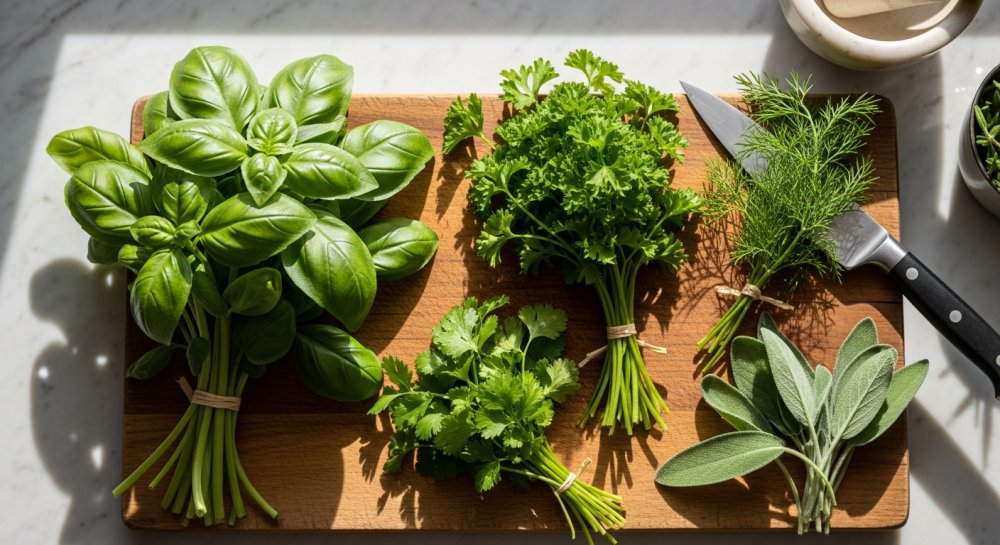
Walk past the herb aisle at any grocery store and you’re looking at more than garnishes. Those bundles of green leaves—basil, cilantro, parsley, and more—pack a surprising nutritional punch that many adults over 40 overlook.
Magnesium remains one of the most underappreciated minerals in the American diet, yet it plays a starring role in more than 300 biochemical reactions in the body. From regulating blood pressure to supporting bone density and easing muscle cramps, this mineral matters—especially as we age.
The good news: you don’t need expensive supplements or exotic superfoods to boost your intake. Some of the most magnesium-rich foods are sitting right in your kitchen, ready to be sprinkled, stirred, or blended into your next meal.
Why Magnesium Matters More After 40
As we move through our 40s, 50s, and beyond, our bodies become less efficient at absorbing magnesium. Certain medications—including diuretics and proton pump inhibitors—can further deplete levels.
Low magnesium has been linked to increased risk of type 2 diabetes, heart disease, osteoporosis, and migraine headaches. Yet nearly half of American adults don’t meet the recommended daily intake: 310-320 mg for women and 400-420 mg for men.
While leafy greens, nuts, seeds, and whole grains typically top the list of magnesium sources, herbs deserve a closer look. They offer concentrated nutrition in small packages—and they make healthy eating taste better, which might be their greatest contribution of all.
The Top 7 Magnesium-Rich Herbs
1. Basil
Fresh basil delivers about 64 mg of magnesium per 100 grams (roughly 2 cups). While you probably won’t eat two full cups in one sitting, even a generous handful tossed into pasta, salad, or a smoothie adds meaningful nutrition.
Basil also contains eugenol, a compound with anti-inflammatory properties that may benefit joint health and cardiovascular function.
2. Cilantro (Coriander Leaves)
Cilantro provides approximately 26 mg of magnesium per 100 grams of fresh leaves. Love it or hate it (genetics play a role in taste perception), this herb brings more than polarizing flavor to the table.
Research suggests cilantro may help the body eliminate heavy metals and support healthy blood sugar levels—both relevant concerns for aging adults.
3. Parsley
Often relegated to plate decoration, parsley contains about 50 mg of magnesium per 100 grams. It’s also exceptionally high in vitamin K, which works alongside magnesium to maintain bone strength.
Flat-leaf (Italian) parsley tends to have a more robust flavor than the curly variety, making it easier to use in larger quantities.
4. Sage
Dried sage ranks among the most magnesium-dense herbs, with roughly 428 mg per 100 grams. Of course, dried herbs are more concentrated than fresh, and you’ll use them in smaller amounts.
Still, incorporating sage into roasted vegetables, soups, or poultry dishes adds both flavor complexity and nutritional value. Sage has also been studied for its potential cognitive benefits, particularly for memory support.
5. Spearmint
Fresh spearmint offers about 63 mg of magnesium per 100 grams. Beyond the mineral content, spearmint has traditionally been used to support digestive comfort—something that becomes increasingly relevant with age.
Try muddling fresh spearmint into water, brewing it as tea, or adding it to fruit salads for a refreshing twist.
6. Thyme
Dried thyme contains approximately 220 mg of magnesium per 100 grams. Even a teaspoon sprinkled over roasted chicken or vegetables contributes to your daily total.
Thyme is rich in thymol, an antimicrobial compound that supports immune health—particularly valuable during cold and flu season.
7. Dill
Fresh dill provides around 55 mg of magnesium per 100 grams. This feathery herb pairs beautifully with fish, yogurt-based sauces, and cucumber salads.
Dill also contains compounds that may promote bone health and offer antioxidant protection against cellular damage.
How to Use Herbs to Boost Magnesium Intake
The key to benefiting from herb-based magnesium is using them in larger quantities than you might typically consider. A single leaf on top of a dish won’t move the needle nutritionally.
Instead, think of herbs as a leafy green vegetable. Blend a cup of basil or parsley into pesto.
Toss a handful of cilantro into soups or grain bowls. Make herb-forward salads where the greens play a supporting role to abundant mint, parsley, or dill.
Fresh herbs also freeze well. Chop them finely, pack into ice cube trays, cover with olive oil, and freeze.
Pop out a cube whenever you need instant flavor and nutrition. This method works especially well with basil, cilantro, and parsley.
What About Dried Herbs?
Dried herbs contain more concentrated magnesium by weight, but we typically use them in much smaller quantities. A teaspoon of dried thyme or sage still contributes to your daily intake—just don’t expect it to replace larger magnesium sources entirely.
The advantage of dried herbs lies in convenience and shelf stability. Keep a well-stocked spice rack and you’ll always have options for adding both flavor and nutrition to meals.
Beyond Magnesium: The Full Herb Advantage
While magnesium content makes these herbs noteworthy, they offer far more than a single mineral. Fresh herbs are among the most antioxidant-dense foods available, helping combat oxidative stress that accelerates aging.
They provide anti-inflammatory compounds that may ease joint discomfort and support cardiovascular health. Many contain vitamin K for bone strength, vitamin C for immune function, and a range of beneficial plant compounds that work synergistically with minerals like magnesium.
Perhaps most importantly, herbs make nutritious food taste delicious. When healthy eating feels like a pleasure rather than a chore, you’re far more likely to maintain those habits for the long term.
Practical Tips for Herb Lovers Over 40
Start with what you enjoy. If you love Italian food, basil and parsley become obvious choices.
If Mexican cuisine speaks to you, cilantro is your friend. Build from familiar flavors rather than forcing yourself to eat herbs you find unpalatable.
Grow a small herb garden if space allows. Fresh herbs at your fingertips make it easier to use them generously.
Even a sunny windowsill can support a few pots of basil, parsley, or thyme. Many grocery stores now sell living herbs in containers that last weeks longer than cut bunches.
Don’t skip the stems. For herbs like cilantro and parsley, the stems contain just as much nutrition (and often more flavor) than the leaves.
Chop them finely and add to anything from marinades to scrambled eggs.
When Herbs Alone Aren’t Enough
While herbs contribute to magnesium intake, they shouldn’t be your only source. A well-rounded diet includes a variety of magnesium-rich foods: leafy greens, nuts, seeds, legumes, whole grains, and fish.
Some people—particularly those with digestive conditions that impair absorption—may benefit from magnesium supplementation. If you experience persistent muscle cramps, fatigue, or other symptoms of deficiency, consult your healthcare provider before starting supplements.
Magnesium comes in various forms, and absorption rates differ. Your doctor can recommend the most appropriate type and dosage for your individual needs.
The Simple Pleasure of Fresh Herbs
There’s something deeply satisfying about snipping fresh herbs from a plant on your counter and watching them transform a simple meal. That sensory experience—the vibrant green color, the aromatic oils released when leaves are torn, the bright flavor that makes taste buds pay attention—turns everyday cooking into something more mindful and enjoyable.
For adults navigating the health challenges that often accompany aging, these small pleasures matter. They remind us that taking care of our bodies doesn’t require perfection or expensive interventions.
Sometimes it’s as simple as adding another handful of basil to tonight’s pasta, or stirring fresh cilantro into your morning eggs. Small habits, repeated consistently, shape our health trajectories far more than any single dramatic change.
The herbs in your kitchen represent an easy, affordable, and genuinely enjoyable way to support your magnesium status—and your overall wellness. That’s worth celebrating, one flavorful meal at a time.
