Health
The Chronic Skin Condition Affecting Millions That Often Goes Undiagnosed

Health Points
- Plaque psoriasis is the most common form of psoriasis, affecting up to 80% of people with the condition and characterized by raised, scaly patches on the skin
- The autoimmune disorder results from an overactive immune system that speeds up skin cell growth, causing inflammation and visible plaques
- While there is no cure, various treatments including topical medications, light therapy, and biologics can effectively manage symptoms and improve quality of life
For millions of Americans, the appearance of raised, red patches covered with silvery scales signals more than just a cosmetic concern. It’s plaque psoriasis, a chronic autoimmune condition that affects the body’s largest organ and can significantly impact daily life.
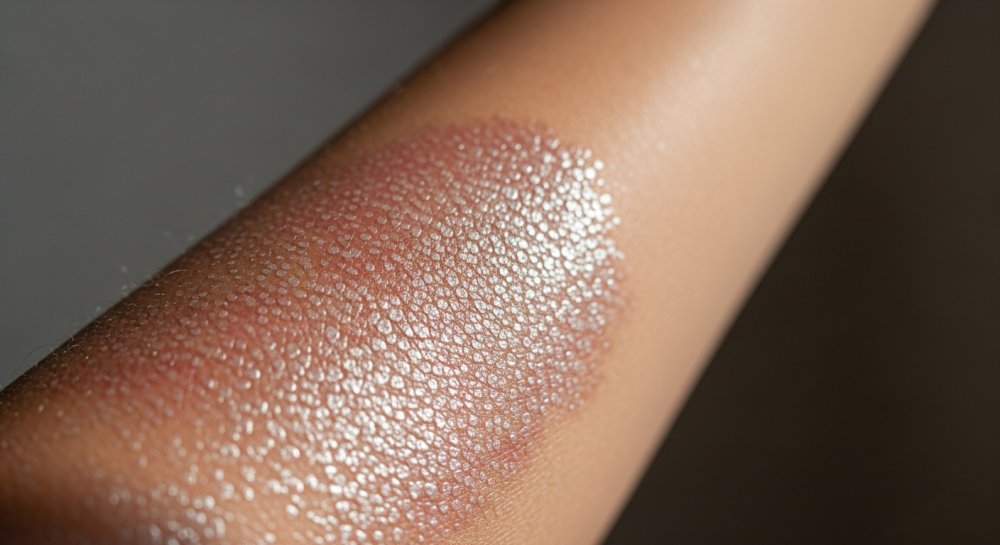
Plaque psoriasis represents the most prevalent form of psoriasis, accounting for approximately 80% of all cases. The condition manifests as thick, raised patches of skin known as plaques, which typically appear red or inflamed with a characteristic silvery-white coating of dead skin cells.
These distinctive plaques most commonly develop on the elbows, knees, scalp, and lower back, though they can appear anywhere on the body. The patches often cause itching, burning, or discomfort, and in some cases can crack and bleed.
The underlying cause stems from an overactive immune system that mistakenly attacks healthy skin cells. This immune response accelerates the skin cell production cycle dramatically. While normal skin cells mature and shed approximately every 28 to 30 days, psoriasis causes this process to occur in just three to four days.
The rapid accumulation of skin cells creates the thick, scaly plaques characteristic of the condition. Inflammation triggered by the immune response contributes to the redness and swelling surrounding the affected areas.
Researchers have identified both genetic and environmental factors that contribute to plaque psoriasis development. Individuals with a family history of the condition face increased risk, suggesting a hereditary component. Certain triggers can initiate or worsen symptoms, including stress, skin injuries, infections, cold weather, smoking, and specific medications.
The condition affects people of all ages but most commonly appears between ages 15 and 35. Men and women develop plaque psoriasis at equal rates.
Beyond the physical symptoms, plaque psoriasis often carries a significant emotional and psychological burden. The visible nature of the condition can affect self-esteem and social interactions. Many individuals with plaque psoriasis also experience associated health concerns, including psoriatic arthritis, which affects up to 30% of people with the skin condition.
Diagnosis typically involves a physical examination by a dermatologist who evaluates the appearance and location of skin lesions. In some cases, a skin biopsy may be performed to confirm the diagnosis and rule out other conditions.
Treatment approaches vary based on severity and individual response. Mild cases often respond to topical treatments such as corticosteroids, vitamin D analogs, and moisturizers that help reduce inflammation and slow skin cell production.
For moderate to severe cases, phototherapy using ultraviolet light can prove effective. This treatment slows skin cell turnover and reduces inflammation through controlled exposure to UV light.
Systemic medications, including oral drugs and injectable biologics, target the immune system to reduce inflammation throughout the body. Biologic drugs have transformed treatment for many patients by specifically targeting the immune system pathways responsible for psoriasis symptoms.
Lifestyle modifications can also play a supportive role in managing the condition. Maintaining a healthy weight, reducing stress, avoiding triggers, and following a consistent skincare routine may help minimize flare-ups.
Recent advances in understanding the immune mechanisms behind plaque psoriasis have led to more targeted and effective treatments. Ongoing research continues to explore new therapeutic options that may offer improved outcomes with fewer side effects.
While plaque psoriasis remains a chronic condition without a cure, the expanding array of treatment options means most people can achieve significant symptom relief and improved quality of life. Working closely with a dermatologist to develop an individualized treatment plan offers the best approach to managing this complex autoimmune disorder.
For those living with plaque psoriasis, support groups and educational resources provide valuable information and connection with others facing similar challenges. Understanding the condition and available treatments empowers patients to take an active role in managing their health and wellbeing.
