Nutrition
The Hidden Health Transformation This Floral Tea May Bring Your Body

Health Points
- Hibiscus tea may help lower blood pressure naturally through its antioxidant compounds and mild diuretic effects
- Regular consumption could support heart health and healthy cholesterol levels when paired with balanced lifestyle habits
- The tart, ruby-colored beverage is rich in vitamin C and polyphenols that combat cellular damage
For many Americans over 40, the search for natural wellness solutions often leads to unexpected discoveries. One such discovery gaining attention among health-conscious adults is hibiscus tea—a vibrant, tart beverage that’s been a staple in traditional medicine for centuries.
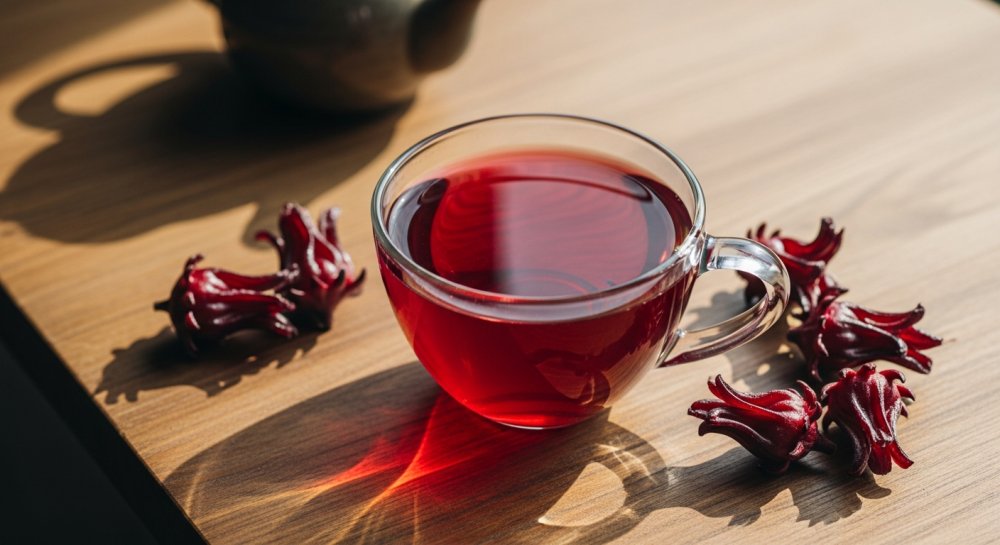
Made from the dried petals of the Hibiscus sabdariffa flower, this ruby-red tea delivers more than just a refreshing taste. Research suggests that regular consumption may offer meaningful support for cardiovascular health, particularly for those navigating the natural changes that come with aging.
“Hibiscus tea is rich in anthocyanins and other polyphenolic compounds that have been studied extensively for their potential cardiovascular benefits,” explains nutrition researcher Dr. Sarah Mitchell from the University of Arizona’s College of Agriculture and Life Sciences.
The most compelling evidence centers on blood pressure management. Multiple studies have found that drinking hibiscus tea regularly—typically two to three cups daily—may help lower both systolic and diastolic blood pressure in adults with mild to moderate hypertension. The effect appears comparable to some common blood pressure medications, though experts emphasize it should complement, not replace, prescribed treatments.
The mechanism behind this benefit involves several factors. Hibiscus contains natural ACE inhibitors that help relax blood vessels, while its mild diuretic properties support healthy fluid balance. The tea’s impressive antioxidant content also helps protect blood vessel walls from oxidative stress.
Beyond blood pressure, hibiscus tea may influence cholesterol levels. Research published in the Journal of Alternative and Complementary Medicine found that participants who consumed hibiscus extract showed improvements in HDL (good) cholesterol and reductions in LDL (bad) cholesterol over a 12-week period.
“What we’re seeing is that hibiscus may help support the body’s natural cholesterol regulation processes,” notes Dr. Mitchell.
The tea’s vitamin C content offers additional immune system support—particularly valuable during seasonal changes when adults over 40 may be more susceptible to common illnesses. A single serving can provide a meaningful portion of daily vitamin C needs.
For those managing their weight, hibiscus tea presents another advantage: it’s naturally calorie-free when consumed without added sweeteners. Some preliminary research suggests it may even influence metabolism and fat absorption, though more studies are needed to confirm these effects in humans.
The anti-inflammatory properties of hibiscus may benefit joint comfort and overall cellular health. Chronic inflammation underlies many age-related health concerns, and dietary choices that naturally combat inflammation align with conservative principles of personal responsibility and preventive care.
Preparation matters for maximizing benefits. Steeping dried hibiscus flowers in hot water for five to seven minutes extracts the beneficial compounds without creating bitterness. The tea can be enjoyed hot or cold, and many find its natural tartness refreshing without added sugar.
“For optimal results, consistency is key,” advises registered dietitian Margaret Stevens, who works with clients on sustainable wellness strategies.
However, hibiscus tea isn’t appropriate for everyone. Pregnant women should avoid it, as some research suggests it may affect hormone levels. Those taking blood pressure medications should consult their healthcare provider before adding hibiscus tea to their routine, as the combination could lower blood pressure too much.
The tea may also interact with certain medications, including some used for diabetes management and pain relief. Anyone taking prescription medications should discuss potential interactions with their doctor or pharmacist.
For generally healthy adults, moderate consumption—one to three cups daily—appears safe based on current research. The tart flavor profile means some people prefer blending hibiscus with other herbal teas like chamomile or mint for a more balanced taste.
Quality matters when selecting hibiscus tea. Look for organic, food-grade hibiscus flowers from reputable suppliers. Loose-leaf varieties often provide fresher flavor and more potent beneficial compounds than older tea bags.
The growing body of research on hibiscus tea reflects a broader cultural shift toward natural wellness approaches that empower individuals to take charge of their health. Rather than viewing aging as an inevitable decline, many Americans are embracing proactive strategies rooted in traditional wisdom and modern science.
“We’re rediscovering what many cultures have known for generations—that plant-based beverages can be powerful allies in maintaining vitality,” Stevens notes.
While hibiscus tea shows promise, it works best as part of a comprehensive approach to wellness. Regular physical activity, balanced nutrition emphasizing whole foods, adequate sleep, stress management, and strong social connections all contribute to healthy aging.
The convenience and accessibility of hibiscus tea make it an easy addition to daily routines. Unlike some wellness trends that require expensive supplements or complicated protocols, brewing a cup of hibiscus tea is straightforward and economical.
For those concerned about the long-term sustainability of their health practices, hibiscus cultivation is relatively environmentally friendly. The plants thrive in warm climates with minimal inputs, and dried flowers store well without refrigeration.
As research continues to unfold, hibiscus tea represents a sensible option for health-conscious adults seeking natural ways to support cardiovascular wellness. Its combination of traditional use, emerging scientific evidence, and practical accessibility aligns with values of self-reliance and informed personal choice.
The key takeaway for readers is that small, consistent changes often yield the most sustainable results. Adding hibiscus tea to your daily routine won’t solve every health challenge, but it may offer meaningful support when combined with other healthy lifestyle choices—a philosophy that resonates with the traditional American values of personal responsibility and proactive self-care.
