Nutrition
The Milk Debate Settled: What Nutritionists Really Think About Whole vs. Low-Fat

Health Points
- Whole milk contains more calories and saturated fat than low-fat options, but also provides fat-soluble vitamins and sustained energy
- Recent studies suggest whole milk may not increase heart disease risk as previously thought, challenging decades of low-fat recommendations
- Personal health goals, dietary patterns, and individual metabolism should guide milk choices more than blanket recommendations
For decades, American refrigerators have been stocked with skim and low-fat milk, guided by nutrition advice that painted whole milk as a dietary villain. But as science evolves and new research emerges, health experts are reconsidering this long-held position.
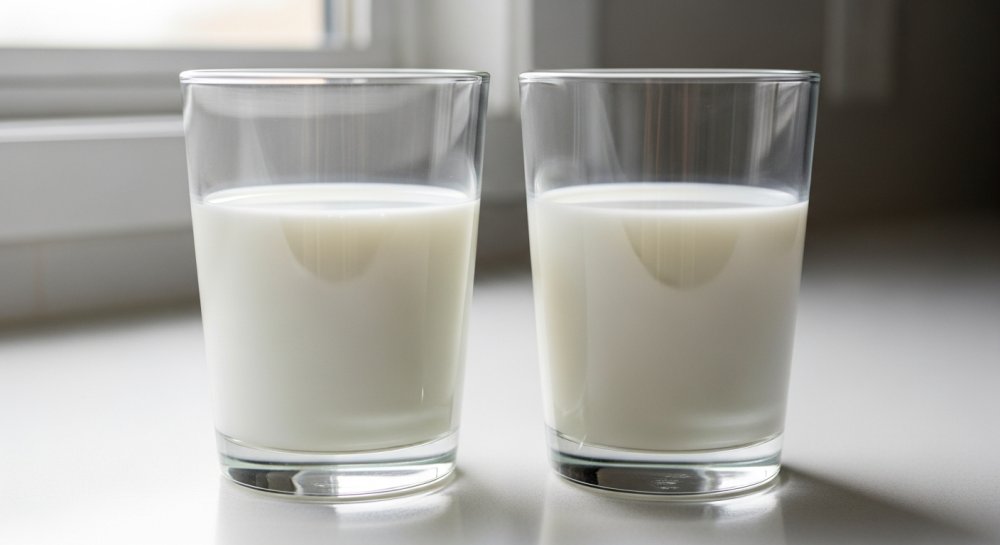
The fundamental difference between whole and low-fat milk comes down to fat content. Whole milk contains about 3.25% milk fat, while low-fat varieties range from 1% to 2%, and skim milk has virtually no fat at all.
This translates to meaningful calorie differences: a cup of whole milk delivers approximately 150 calories and 8 grams of fat, compared to 100-120 calories and 2.5-5 grams of fat in low-fat milk.
Registered dietitian Sarah Johnson explains the traditional reasoning behind low-fat recommendations.
“For years, the thinking was straightforward — less fat means fewer calories and less saturated fat, which we believed contributed to heart disease. That’s why health authorities promoted low-fat dairy as the healthier choice.”
But emerging research has complicated this narrative. Multiple large-scale studies over the past decade have found no significant association between whole milk consumption and increased risk of cardiovascular disease.
Some research even suggests that people who consume full-fat dairy may have lower rates of obesity and type 2 diabetes, though scientists caution that correlation doesn’t prove causation.
Dr. Michael Chen, a cardiologist and nutrition researcher, notes that the science has shifted considerably.
“We’re learning that the type of fat matters more than we realized, and that whole foods with natural fat may behave differently in the body than we predicted. The saturated fat in dairy exists alongside beneficial nutrients that may offset some theoretical concerns.”
Whole milk provides fat-soluble vitamins A, D, E, and K more effectively than low-fat versions. These vitamins require dietary fat for optimal absorption.
The natural fat content also promotes satiety, potentially helping people feel fuller longer and reducing the likelihood of overeating later.
For children and adolescents, the question becomes even more nuanced. The American Academy of Pediatrics recently updated its recommendations to allow whole milk for children over age two, departing from previous guidance that universally recommended low-fat options.
The reasoning reflects growing evidence that dietary fat plays important roles in brain development and hormone production during crucial growth years.
Nutritionist Rebecca Martinez emphasizes that context matters enormously.
“There’s no universal answer. For someone managing their weight who gets plenty of healthy fats from nuts, avocados, and fish, low-fat milk might make sense. For someone who struggles with hunger between meals or has a very active lifestyle, whole milk’s extra calories and sustained energy could be beneficial.”
The dairy-free milk alternative market has exploded in recent years, adding another layer to the conversation. Almond, oat, soy, and coconut milk each offer different nutritional profiles.
While these alternatives avoid the saturated fat question entirely, they often lack the natural protein content of cow’s milk and may contain added sugars or thickeners.
For older adults, bone health considerations become paramount. Both whole and low-fat milk provide comparable amounts of calcium and vitamin D — critical nutrients for maintaining bone density as we age.
The choice between whole and low-fat milk in this demographic often comes down to calorie needs and overall dietary patterns rather than one being definitively superior.
Cost represents another practical consideration. Whole milk typically costs slightly less than low-fat options, and many consumers report preferring its taste and texture in coffee, cooking, and drinking straight.
Dr. Patricia Williams, a public health researcher, acknowledges the evolution in nutritional thinking.
“Science is self-correcting. We made recommendations based on the best available evidence at the time, but as we gather more data and conduct better studies, we refine our understanding. The story of dietary fat is a perfect example of this process in action.”
Current dietary guidelines from the USDA still recommend low-fat or fat-free dairy as part of a healthy eating pattern, though the language has softened compared to previous editions. The guidelines now acknowledge that full-fat dairy can fit within a healthy diet when consumed as part of overall calorie and saturated fat limits.
For individuals with specific health conditions, personalized guidance remains essential. Those with familial hypercholesterolemia or other lipid disorders may still benefit from choosing lower-fat dairy options.
People managing diabetes should consider how the fat content affects their blood sugar response — the fat in whole milk can slow glucose absorption, potentially leading to more stable blood sugar levels.
Food quality matters regardless of fat content. Milk from grass-fed cows may contain higher levels of omega-3 fatty acids and conjugated linoleic acid, compounds associated with various health benefits.
Organic certification ensures the absence of synthetic hormones and antibiotics, considerations that matter to many health-conscious consumers.
The bottom line, according to most nutrition experts, is that both whole and low-fat milk can be part of a healthy diet. The choice should align with individual health goals, taste preferences, and overall eating patterns rather than following blanket rules.
As dietitian Johnson puts it simply:
“The best milk is the one you’ll actually drink and that fits your nutritional needs. If you enjoy whole milk, drink it in moderation as part of a balanced diet rich in vegetables, fruits, whole grains, and lean proteins. If you prefer low-fat and it helps you manage your calorie intake, that’s perfectly valid too.”
The milk debate reflects a broader shift in nutritional science — away from rigid rules about individual nutrients and toward understanding how whole foods function within the context of overall dietary patterns and individual health circumstances.
