Nutrition
Why Your Body Needs More Protein Than You Think

Health Points
- Protein supports muscle growth, immune function, and hormone production throughout every stage of life
- Adults should aim for at least 0.8 grams of protein per kilogram of body weight daily, with higher needs for athletes and older adults
- Complete protein sources include meat, fish, eggs, and dairy, while plant-based eaters can combine foods like beans and rice for optimal nutrition
Protein stands as one of the most essential nutrients your body needs to thrive, yet many Americans still fall short of optimal intake. This macronutrient plays vital roles far beyond building muscle—it’s fundamental to nearly every biological process that keeps you healthy and energized.
“Protein is involved in virtually every cell function in our bodies,” explains registered dietitian Sarah Mitchell, who specializes in nutrition for adults over 40. “From repairing tissues to producing enzymes and hormones, we simply can’t function optimally without adequate protein intake.”
Understanding protein’s role becomes increasingly important as we age. After 40, our bodies naturally begin losing muscle mass—a condition called sarcopenia—making protein intake even more critical for maintaining strength, mobility, and independence in later years.
The Building Blocks of Life
Protein consists of amino acids, often called the building blocks of life. Your body uses 20 different amino acids to construct thousands of unique proteins, each serving specific purposes. Nine of these amino acids are considered “essential,” meaning your body cannot produce them—you must obtain them through food.
Every cell in your body contains protein. Your hair, skin, nails, muscles, bones, and organs all depend on this crucial nutrient. Protein also creates antibodies that fight infection, enzymes that facilitate chemical reactions, and hormones that send signals throughout your body.
“Many people think protein is just for bodybuilders, but that couldn’t be further from the truth,” notes Dr. Michael Chen, a physician specializing in preventive medicine. “Whether you’re recovering from illness, managing your weight, or simply trying to age well, protein deserves a central place in your nutrition strategy.”
How Much Protein Do You Really Need?
The current recommended dietary allowance suggests 0.8 grams of protein per kilogram of body weight for adults. For a 150-pound person, that translates to about 55 grams daily. However, many nutrition experts now believe these guidelines represent minimum requirements rather than optimal intake, especially for older adults.
Recent research indicates that adults over 50 may benefit from consuming 1.0 to 1.2 grams per kilogram of body weight. Active individuals and athletes may need even more—up to 2.0 grams per kilogram—to support muscle recovery and growth.
“The standard recommendations were designed to prevent deficiency, not to optimize health,” explains Dr. Jennifer Williams, a geriatric nutrition specialist.
“For healthy aging, maintaining muscle mass, and supporting metabolic health, most of my patients do better with higher protein intake than the basic RDA suggests.”
Distributing protein throughout the day matters too. Rather than consuming most protein at dinner, aim for 25-30 grams at each meal to maximize muscle protein synthesis and keep you feeling satisfied.
Complete Versus Incomplete Proteins
Not all protein sources are created equal. “Complete” proteins contain all nine essential amino acids in adequate amounts. Animal products—meat, poultry, fish, eggs, and dairy—are complete proteins, making them efficient choices for meeting your daily needs.
Plant-based proteins are typically “incomplete,” lacking one or more essential amino acids. However, this doesn’t mean vegetarians and vegans can’t get adequate protein. Combining different plant foods—like beans and rice, or hummus and whole wheat pita—creates complete protein profiles.
“Plant-based eaters need to be more intentional about variety, but they can absolutely meet their protein needs,” says Mitchell.
“Quinoa, soy products like tofu and tempeh, and nutritional yeast are complete proteins on their own, while strategic combinations of grains, legumes, nuts, and seeds provide all essential amino acids.”
The key for plant-based diets is consuming diverse protein sources throughout the day, not necessarily combining them in every single meal as once believed.
Top Protein Sources for Every Diet
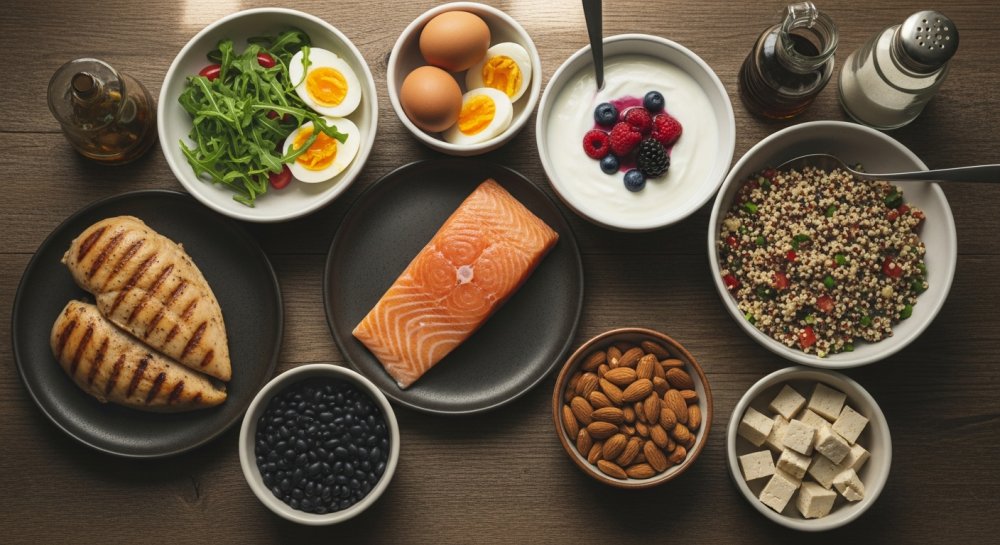
For those who eat animal products, excellent protein sources include chicken breast (31 grams per 3.5 ounces), salmon (25 grams), lean beef (26 grams), eggs (6 grams each), Greek yogurt (10 grams per 5.3 ounces), and cottage cheese (14 grams per half cup). These foods also provide important nutrients like B vitamins, iron, and omega-3 fatty acids.
Plant-based protein champions include lentils (18 grams per cooked cup), chickpeas (15 grams), black beans (15 grams), tofu (10 grams per half cup), tempeh (15 grams per half cup), edamame (17 grams per cup), and quinoa (8 grams per cooked cup). Nuts and seeds, while lower in protein per serving, contribute valuable nutrients alongside their protein content.
“Don’t overlook traditional protein sources that have sustained communities for generations,” suggests Dr. Chen.
“Bone broth, organ meats, and whole food sources provide not just protein but also collagen, minerals, and vitamins that support overall wellness in ways isolated protein supplements cannot match.”
Protein for Weight Management
Increasing protein intake can support healthy weight management in multiple ways. Protein is the most satiating macronutrient, helping you feel full longer after meals and reducing cravings between meals. This natural appetite regulation often leads to consuming fewer calories without feeling deprived.
Protein also requires more energy to digest than carbohydrates or fats—a phenomenon called the thermic effect of food. Your body burns approximately 20-30% of protein calories during digestion and absorption, compared to 5-10% for carbs and 0-3% for fats.
“When my patients struggling with weight increase their protein intake while maintaining a balanced diet, they often find it easier to achieve their goals,” notes Williams.
“They feel more satisfied, have better energy throughout the day, and preserve lean muscle mass while losing fat.”
Maintaining muscle mass during weight loss is crucial. Without adequate protein, your body may break down muscle tissue for energy, slowing your metabolism and making long-term weight maintenance more difficult.
Protein and Healthy Aging
As you age, your body becomes less efficient at using protein to build and maintain muscle. This age-related decline, combined with often-decreased appetites and reduced activity levels, creates a perfect storm for muscle loss and frailty.
Higher protein intake helps counteract these changes. Studies show that older adults consuming adequate protein maintain better physical function, experience fewer falls, recover more quickly from illness, and enjoy greater independence. Protein also supports bone health by improving calcium absorption and bone density.
“I’ve seen remarkable transformations when older patients prioritize protein alongside resistance exercise,” shares Dr. Chen.
“People in their 70s and 80s regaining strength, improving balance, and returning to activities they thought were behind them—it’s never too late to benefit from proper nutrition.”
Immune function also depends on adequate protein. Antibodies, immune cells, and the signaling molecules that coordinate immune responses are all made from amino acids. During illness or recovery, protein needs increase significantly.
Potential Concerns and Considerations
While protein is essential, more isn’t always better for everyone. Individuals with kidney disease should consult their healthcare provider before increasing protein intake, as damaged kidneys may struggle to process protein waste products. However, for those with healthy kidney function, higher protein diets don’t cause kidney damage.
Some worry that high protein intake leaches calcium from bones, but research doesn’t support this concern. In fact, adequate protein supports bone health by stimulating growth hormone production and improving calcium absorption.
“The key is balance and individual context,” advises Mitchell.
“Your protein needs depend on your age, activity level, health status, and goals. What’s optimal for an athlete differs from someone managing a chronic condition.”
Quality matters as much as quantity. Choosing lean proteins, varying your sources, and incorporating both animal and plant proteins when possible provides the broadest nutritional benefits while supporting long-term health.
Practical Tips for Meeting Your Protein Goals
Start your day with protein-rich breakfast options like eggs, Greek yogurt, or protein smoothies. This jump-starts your metabolism and helps control appetite throughout the day. Adding protein powder to oatmeal or pancakes boosts their nutritional value without changing familiar routines.
Plan each meal around a protein source, then add vegetables, whole grains, and healthy fats. This approach ensures adequate intake while creating balanced, satisfying meals. Keep convenient protein options on hand—hard-boiled eggs, string cheese, nuts, jerky, or canned fish—for quick snacks.
“Small changes add up,” notes Williams.
“Choosing Greek yogurt instead of regular yogurt, adding beans to salads, or having a handful of almonds as a snack can significantly increase your daily protein intake without requiring major lifestyle changes.”
For those struggling to meet protein needs through food alone, quality protein supplements can help fill gaps. Whey protein digests quickly and works well post-exercise, while casein protein digests slowly, making it ideal before bed. Plant-based protein powders from peas, rice, or hemp serve those avoiding animal products.
Protein represents far more than a bodybuilding nutrient or diet trend. It’s a foundational element of human nutrition that supports every aspect of health from cellular function to disease prevention. By understanding your individual needs and making protein a priority at each meal, you invest in strength, vitality, and wellness for years to come.
