Health
White Patches in Your Mouth Could Signal This Common Fungal Infection

Health Points
- Oral thrush manifests as white or yellow patches on the tongue, inner cheeks, and throat, often accompanied by soreness and difficulty swallowing
- Infants, seniors, and individuals with weakened immune systems face the highest risk of developing this fungal infection
- Early recognition and treatment can prevent the infection from spreading to the esophagus or other parts of the body
Millions of Americans experience oral thrush each year, yet many dismiss the early warning signs as minor irritation. This common fungal infection, medically known as oral candidiasis, deserves prompt attention—especially for those over 40 whose immune systems may not respond as vigorously as they once did.
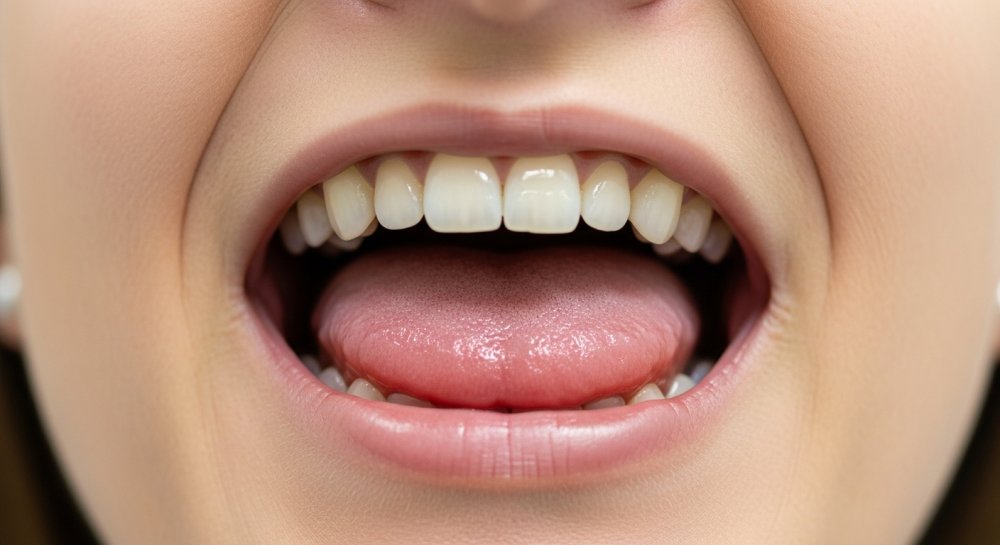
The hallmark symptom of oral thrush involves creamy white or yellowish patches appearing on the tongue, inner cheeks, roof of the mouth, gums, or tonsils. These lesions often resemble cottage cheese in texture and may bleed slightly when scraped or brushed.
Beyond visible patches, individuals with thrush frequently report a cottony feeling in the mouth, loss of taste, or an unpleasant metallic taste. Redness and soreness in affected areas can make eating and drinking uncomfortable, particularly when consuming acidic or spicy foods.
The corners of the mouth may develop cracks or redness—a condition called angular cheilitis that often accompanies thrush. Some people experience difficulty swallowing, especially if the infection spreads to the throat or esophagus.
Certain groups face elevated risk for developing oral thrush. Denture wearers who don’t maintain proper hygiene create an ideal environment for fungal overgrowth. People taking antibiotics, corticosteroids, or undergoing chemotherapy disrupt the natural bacterial balance that normally keeps yeast in check.
Diabetes creates conditions favorable to yeast overgrowth, particularly when blood sugar levels remain poorly controlled. Dry mouth, whether from medications or medical conditions, removes a natural defense against fungal infections.
Smokers experience higher rates of oral thrush, as tobacco use compromises immune function in the mouth and throat. Individuals with HIV/AIDS, cancer, or autoimmune conditions face substantially increased vulnerability due to compromised immune systems.
Infants can develop thrush during birth if the mother has a vaginal yeast infection, and breastfeeding mothers may pass the infection back and forth with their babies. In older adults, age-related immune system changes naturally increase susceptibility.
Healthcare providers typically diagnose thrush through visual examination of the mouth and throat. In some cases, they may gently scrape a lesion to examine cells under a microscope or send a sample for laboratory culture.
Treatment usually involves antifungal medications in the form of lozenges, tablets, or liquid rinses that coat the affected areas. For more severe cases or when the infection spreads beyond the mouth, doctors may prescribe oral antifungal pills.
Most cases resolve within one to two weeks with appropriate treatment. However, individuals with weakened immune systems may require longer treatment courses and ongoing preventive measures.
Prevention strategies focus on maintaining good oral hygiene through regular brushing and flossing. Denture wearers should clean their appliances daily and remove them at night to give tissues a chance to recover.
People with diabetes benefit from careful blood sugar management, which creates less favorable conditions for yeast growth. Those who use inhaled corticosteroids for asthma or other respiratory conditions should rinse their mouths thoroughly after each use.
Limiting sugar intake helps prevent fungal overgrowth, as yeast thrives on sugar. Staying hydrated promotes saliva production, which naturally helps control yeast populations in the mouth.
For individuals experiencing recurrent thrush, underlying conditions may require attention. Frequent infections can signal undiagnosed diabetes, immune system disorders, or nutritional deficiencies that compromise the body’s natural defenses.
Anyone noticing persistent white patches, mouth soreness, or difficulty swallowing should consult a healthcare provider rather than attempting self-diagnosis. Early intervention prevents complications and ensures appropriate treatment for what might otherwise seem like a minor annoyance but could indicate more serious health concerns.
