Health
Longevity Experts Reveal Which Supplements Actually Work After 40

Health Points
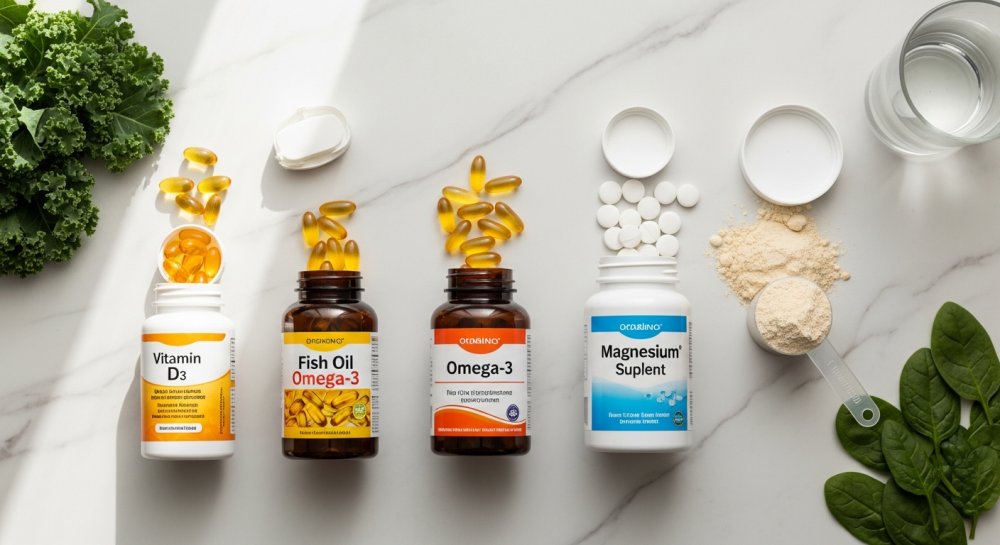
- Four science-backed supplements show promise for healthy aging: vitamin D, omega-3s, magnesium, and protein powder
- Popular supplements like resveratrol and NMN lack sufficient human research despite marketing claims
- Experts emphasize whole foods and lifestyle habits remain more important than any supplement regimen
The supplement aisle can feel overwhelming, especially when companies promise everything from extended lifespan to reversed aging. But longevity experts say only a handful of supplements have solid research backing their health benefits—while several trendy options may not live up to the hype.
Health spoke with leading researchers and physicians specializing in aging to identify which supplements deserve a place in your routine. Their insights may surprise you, particularly when it comes to some of the most heavily marketed products.
The Four Supplements Worth Considering
Vitamin D: The Sunshine Supplement
Vitamin D tops the list of expert-recommended supplements, particularly for adults over 40. This nutrient plays crucial roles in bone health, immune function, and cellular processes throughout the body.
Dr. Nir Barzilai, founding director of the Institute for Aging Research at Albert Einstein College of Medicine, explains the widespread deficiency problem.
“Many people, especially those living in northern climates or spending most of their time indoors, simply don’t get enough vitamin D from sunlight,” he notes.
Research consistently links adequate vitamin D levels with better health outcomes in older adults. Studies suggest proper vitamin D status may support cardiovascular health, cognitive function, and overall longevity.
Most experts recommend having your vitamin D levels tested before starting supplementation. Typical doses range from 1,000 to 2,000 IU daily, though some individuals may need higher amounts under medical supervision.
Omega-3 Fatty Acids: Heart-Healthy Fats
Omega-3 supplements, particularly those containing EPA and DHA from fish oil, earn consistent endorsement from longevity researchers. These essential fatty acids support cardiovascular health, brain function, and help manage inflammation throughout the body.
Dr. Peter Attia, longevity-focused physician and author, emphasizes their importance for aging adults.
“The evidence for omega-3s supporting cardiovascular health is quite strong, and most Americans don’t consume nearly enough through diet alone,” he explains.
Research shows omega-3 supplementation may reduce triglyceride levels, support healthy blood pressure, and potentially lower risk of heart disease. Some studies also suggest benefits for cognitive health and mood regulation.
Experts typically recommend 1,000 to 2,000 mg of combined EPA and DHA daily. Quality matters—look for supplements tested for purity and free from contaminants like mercury.
Magnesium: The Overlooked Mineral
Magnesium deficiency affects nearly half of American adults, yet this mineral remains underappreciated in longevity discussions. Magnesium participates in over 300 enzymatic reactions in the body, supporting everything from muscle function to DNA repair.
Dr. Rhonda Patrick, biomedical scientist specializing in nutrition and aging, highlights magnesium’s wide-ranging benefits.
“Magnesium supports cellular energy production, helps regulate blood sugar, promotes healthy sleep, and plays a role in maintaining bone density—all crucial factors for healthy aging,” she notes.
Studies link adequate magnesium intake with reduced risk of type 2 diabetes, improved insulin sensitivity, and better cardiovascular health. Many people notice improvements in sleep quality and muscle recovery when addressing magnesium deficiency.
Different forms of magnesium offer varying benefits. Magnesium glycinate tends to be well-absorbed and gentle on digestion, while magnesium threonate may better support cognitive function. Typical doses range from 200 to 400 mg daily.
Protein Powder: Muscle Maintenance Matters
While technically a food supplement rather than a vitamin or mineral, protein powder makes the expert-approved list for good reason. Maintaining muscle mass becomes increasingly challenging—and increasingly important—as we age.
Dr. Gabrielle Lyon, functional medicine physician specializing in muscle-centric medicine, emphasizes protein’s critical role.
“Muscle is the organ of longevity. Adequate protein intake, especially after age 40, helps preserve muscle mass, supports metabolic health, and maintains independence as we age,” she explains.
Research shows adults over 40 benefit from higher protein intake than younger individuals—often 1.2 to 1.6 grams per kilogram of body weight daily. Many people struggle to meet these targets through whole foods alone.
Quality protein powders—whether whey, casein, or plant-based options like pea protein—provide a convenient way to meet protein needs. They support muscle synthesis, recovery from exercise, and help prevent age-related muscle loss.
The Four Overhyped Supplements
Resveratrol: Red Wine’s Promise Falls Flat
Resveratrol gained fame as the compound behind red wine’s supposed health benefits. Marketing claims suggest it activates longevity genes and mimics caloric restriction’s benefits. But the reality disappoints.
Dr. David Sinclair initially popularized resveratrol research, but subsequent studies have raised questions.
“The doses used in animal studies that showed benefits are much higher than humans can practically consume through supplements,” Dr. Barzilai explains. “The human data remains quite limited and inconsistent.”
Resveratrol’s poor bioavailability means little actually reaches your bloodstream and tissues after oral consumption. Large-scale human trials have failed to demonstrate the dramatic benefits suggested by early research.
While resveratrol isn’t necessarily harmful, experts suggest the money might be better spent on supplements with stronger evidence.
NMN and NAD+ Boosters: Promising Science, Premature Marketing
Nicotinamide mononucleotide (NMN) and other NAD+ boosting supplements represent some of the supplement industry’s hottest products. Companies market them as cellular energy enhancers that reverse aging at the molecular level.
The science behind NAD+ is legitimate—this molecule plays crucial roles in cellular energy production and DNA repair, and levels do decline with age. But the leap from biochemistry to supplement benefits lacks solid human evidence.
Dr. Matt Kaeberlein, biogerontologist and longevity researcher, urges caution despite the excitement.
“The animal data on NAD+ boosters is intriguing, but we simply don’t have enough long-term human studies to know if these supplements deliver meaningful benefits for longevity,” he states.
NMN supplements also carry substantial price tags—often $50 to $100 monthly. Until more robust human trials demonstrate clear benefits, experts suggest waiting before investing in these products.
Collagen Supplements: Skin Deep Claims
Collagen supplements have exploded in popularity, with promises of youthful skin, stronger nails, and healthier joints. The reality is more complicated than marketing suggests.
When you consume collagen protein, your digestive system breaks it down into amino acids—the same building blocks you’d get from any protein source. Whether your body then uses these amino acids specifically to build collagen in your skin remains questionable.
Dr. Whitney Bowe, board-certified dermatologist, explains the disconnect.
“Some small studies show modest improvements in skin hydration and elasticity, but the effects are generally subtle. You’re likely getting similar benefits from ensuring adequate overall protein intake,” she notes.
Collagen supplements aren’t harmful, but they’re typically more expensive than standard protein sources. The specific benefits for skin, hair, and nails may not justify the premium price.
Anti-Aging Multivitamins: Marketing Over Science
Specialized “anti-aging” or “longevity” multivitamins flood the market, often at premium prices. These formulations typically combine standard vitamins with trendy additions like CoQ10, alpha-lipoic acid, or various antioxidants.
The problem isn’t the individual ingredients—it’s the shotgun approach and inflated expectations.
“Most people don’t need a multivitamin at all if they eat a reasonably varied diet,” Dr. Barzilai explains. “And there’s no evidence that expensive anti-aging formulations work better than addressing specific deficiencies.”
Large studies of multivitamin use have consistently failed to show significant benefits for disease prevention or longevity in well-nourished populations. Some research even suggests high-dose antioxidant supplements might interfere with beneficial cellular stress responses.
Experts recommend testing for specific nutrient deficiencies and supplementing targeted nutrients rather than taking scattershot multivitamin formulations.
The Bigger Picture: Food First, Supplements Second
All interviewed experts emphasized an important caveat: supplements should supplement an already healthy lifestyle, not replace fundamental health behaviors.
Dr. Valter Longo, director of the Longevity Institute at USC, puts it plainly.
“No supplement can compensate for poor diet, lack of exercise, inadequate sleep, or chronic stress. These lifestyle factors have far more impact on longevity than any pill,” he states.
The research supports this perspective. Studies consistently show that people who maintain healthy body weight, exercise regularly, don’t smoke, eat plenty of plants, and maintain social connections live longer and healthier lives—regardless of supplement use.
Before adding supplements to your routine, focus on foundational health practices. Get seven to nine hours of quality sleep nightly. Move your body regularly, including both cardiovascular exercise and strength training. Eat a diet rich in vegetables, fruits, whole grains, and lean proteins. Manage stress through proven techniques like meditation or time in nature. Maintain meaningful social connections.
These unglamorous basics deliver more powerful longevity benefits than any supplement regimen.
Making Smart Supplement Decisions
If you’re considering supplements, experts offer several guidelines for making informed choices.
Start with testing. Blood work can identify specific deficiencies in vitamin D, magnesium, omega-3 index, and other measurable nutrients. This targeted approach prevents wasting money on supplements you don’t need while addressing actual gaps.
Choose quality products. The supplement industry faces minimal regulation, making quality control crucial. Look for products tested by third-party organizations like NSF International, USP, or ConsumerLab. These certifications verify that supplements contain what labels claim and are free from contaminants.
Be skeptical of grand promises. If a supplement sounds too good to be true—reversing aging, dramatically extending lifespan, or curing multiple conditions—it probably is. Legitimate supplements offer modest, specific benefits backed by solid research.
Consider cost versus benefit. Some supplements deliver good value, while others drain your wallet without proportional benefits. The four expert-recommended options typically cost $10 to $30 monthly, while many overhyped products command premium prices without premium evidence.
Consult healthcare providers. Before starting any supplement regimen, discuss it with your doctor or a qualified nutritionist. Some supplements interact with medications or aren’t appropriate for certain health conditions.
The supplement landscape continues evolving as research advances. What’s overhyped today might gain support tomorrow, while current favorites could lose luster as evidence accumulates. Staying informed and maintaining healthy skepticism serves you better than jumping on every supplement trend.
For now, vitamin D, omega-3s, magnesium, and protein powder have earned their place in expert recommendations through consistent research and clear biological mechanisms. Everything else deserves careful scrutiny before opening your wallet—and remember that no supplement replaces the fundamental pillars of healthy living.
