Health
The Truth About Those Trendy Wellness Shots Everyone’s Taking

Health Points
- Wellness shots contain concentrated nutrients but lack scientific evidence proving their health claims
- Most benefits come from individual ingredients like ginger and turmeric that you can get from whole foods
- These shots can be expensive and may interact with medications or cause digestive upset
Walk into any health food store or juice bar today, and you’ll likely spot rows of small bottles promising to boost your immunity, energize your day, or detoxify your body. These wellness shots have become a multi-million dollar industry, but do they actually deliver on their promises?
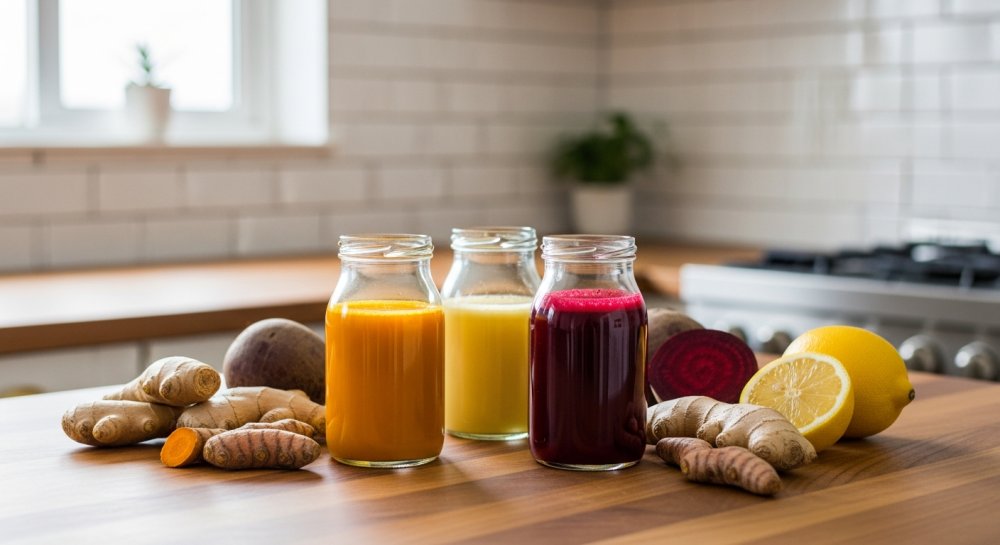
Wellness shots are concentrated beverages, typically one to three ounces, packed with ingredients like ginger, turmeric, lemon, cayenne pepper, apple cider vinegar, and various fruit and vegetable juices. Manufacturers claim these tiny powerhouses can improve everything from digestion to skin health. But health experts say the reality is more complicated.
“There’s very limited research on wellness shots as a whole,” says registered dietitian nutritionist Sarah Johnson. “While individual ingredients may have health benefits, we don’t have good evidence that taking them in shot form provides any advantage over eating whole foods.”
The ingredients themselves do have legitimate health credentials. Ginger has been shown to help with nausea and inflammation. Turmeric contains curcumin, a compound with anti-inflammatory properties. Lemon provides vitamin C, and apple cider vinegar may help with blood sugar control in small studies.
The problem is that wellness shots often contain these ingredients in amounts too small to produce meaningful effects. A typical ginger shot might have less ginger than you’d use in a home-cooked meal. Additionally, some beneficial compounds need fat to be absorbed properly—something these shots typically lack.
“You’re essentially paying premium prices for what amounts to a small serving of juice,” notes Dr. Michael Chen, a family medicine physician. “For most people, eating a balanced diet with plenty of fruits and vegetables will provide far more benefit.”
There are also potential downsides to consider. The concentrated nature of these shots can cause digestive upset, especially on an empty stomach. People taking blood thinners should be cautious about turmeric and ginger. Apple cider vinegar can erode tooth enamel if consumed frequently.
The cost factor is significant too. A single wellness shot can run anywhere from three to ten dollars. Over time, that’s a substantial investment for benefits that remain scientifically unproven.
Some advocates argue that wellness shots provide a convenient way to consume beneficial ingredients for people with busy lifestyles. While convenience has value, nutritionists generally recommend getting nutrients from whole foods whenever possible. Whole foods provide fiber, which slows digestion and helps your body absorb nutrients more effectively.
If you enjoy wellness shots and can afford them, there’s likely no harm in occasional use for most healthy adults. Just don’t expect miracles. The key to good health remains what it’s always been: a balanced diet, regular exercise, adequate sleep, and stress management.
“If someone feels better after taking a wellness shot, that’s wonderful,” Johnson adds. “But we need to be honest that much of that benefit may be psychological rather than physiological.”
For those interested in trying wellness shots, health experts recommend starting slowly to gauge your body’s reaction. Read ingredient labels carefully, and be wary of shots making extreme health claims. Most importantly, view them as a potential supplement to—not a replacement for—healthy lifestyle habits.
The wellness shot trend reflects our ongoing desire for quick health fixes. While these concentrated beverages aren’t harmful for most people, they’re also not the shortcut to better health that marketing suggests. Traditional wisdom about nutrition still holds: there’s no substitute for a well-rounded diet rich in whole, minimally processed foods.
