Health
Four Ways Vitamin C Transforms Your Health After 40

Health Points
- Vitamin C supports immune function and may reduce the duration of common colds by up to 8% in adults
- This essential nutrient promotes collagen production, which naturally declines with age and affects skin elasticity
- Supplementation can help bridge dietary gaps, though whole food sources remain the optimal choice for nutrient absorption
As Americans navigate their midlife years, one nutrient continues to stand out for its comprehensive health benefits: vitamin C. This water-soluble vitamin, also known as ascorbic acid, plays crucial roles throughout the body—from supporting the immune system to maintaining youthful-looking skin.
For adults over 40, understanding how vitamin C works and whether supplementation makes sense can be an important part of maintaining vitality. Here’s what the science reveals about this essential nutrient.
Immune System Support During Cold Season
Vitamin C has earned its reputation as an immune-boosting powerhouse, and research backs up many of these claims. The nutrient plays a vital role in supporting various immune functions, helping white blood cells work more effectively to protect against infection.
While vitamin C won’t prevent you from catching a cold, studies show it can make a difference once you’re sick. Regular supplementation may reduce cold duration by approximately 8% in adults—translating to about one day less of symptoms for a typical week-long cold.
The immune benefits extend beyond the common cold. Vitamin C acts as a powerful antioxidant, protecting cells from damage caused by free radicals—unstable molecules that accumulate with age and contribute to chronic disease.
Collagen Production for Skin Health
One of vitamin C’s most significant benefits for those over 40 relates to skin health. The nutrient is essential for collagen synthesis—the protein that provides structure, firmness, and elasticity to skin.
Starting in our 30s and 40s, natural collagen production declines, leading to wrinkles, sagging, and thinner skin. Adequate vitamin C intake supports the body’s ability to produce and maintain collagen, potentially slowing visible signs of aging.
Beyond collagen, vitamin C’s antioxidant properties help protect skin from sun damage and environmental stressors. Some research suggests that vitamin C, particularly when combined with vitamin E, may reduce skin damage from UV exposure, though it should never replace sunscreen.
Absorption of Plant-Based Iron
For adults following plant-based diets or managing iron levels, vitamin C offers another important benefit: enhanced iron absorption. The body absorbs non-heme iron—the type found in plant foods—less efficiently than heme iron from animal sources.
Consuming vitamin C alongside iron-rich plant foods like spinach, lentils, or fortified cereals can significantly improve absorption. This is particularly valuable for older adults who may have increased nutritional needs or absorption challenges.
Pairing a glass of orange juice with your morning oatmeal or adding bell peppers to a bean salad are simple ways to maximize iron uptake from plant-based meals.
Cardiovascular Health Considerations
Emerging research suggests vitamin C may benefit heart health—a priority for Americans entering their 40s, 50s, and beyond. Studies indicate that adequate vitamin C intake is associated with lower risk of cardiovascular disease.
The nutrient appears to support healthy blood vessel function and may help manage blood pressure levels. Some research shows that vitamin C supplementation could lead to modest reductions in blood pressure, particularly in those with hypertension.
While promising, these cardiovascular benefits are most pronounced when vitamin C comes from a diet rich in fruits and vegetables rather than supplements alone. The combination of vitamin C with other nutrients and compounds in whole foods appears to offer superior protection.
Do You Need a Supplement?
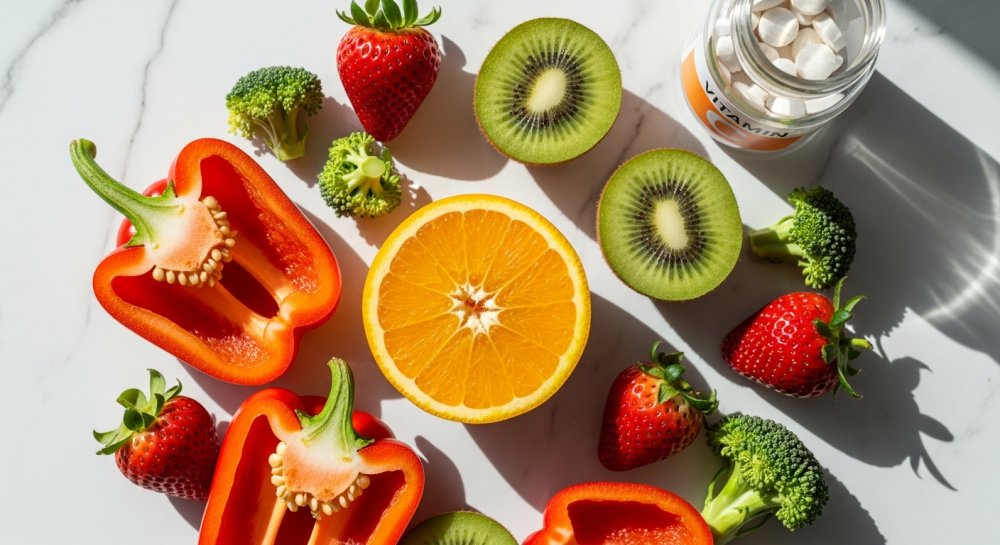
The recommended daily allowance for vitamin C is 90 milligrams for men and 75 milligrams for women, with higher amounts recommended for smokers. Most Americans can meet these needs through diet alone by consuming citrus fruits, berries, bell peppers, broccoli, and tomatoes.
However, certain groups may benefit from supplementation. These include smokers, people with limited dietary variety, older adults with absorption issues, and those recovering from illness or surgery.
When considering supplements, keep in mind that vitamin C is water-soluble, meaning excess amounts are excreted in urine rather than stored. Very high doses—above 2,000 milligrams daily—can cause digestive upset and other side effects.
Making the Right Choice
For adults over 40 looking to optimize their health, vitamin C deserves attention—but supplements aren’t automatically necessary. Focus first on incorporating vitamin C-rich whole foods into your daily routine.
If you’re considering supplementation, consult with a healthcare provider who can assess your individual needs. They can help determine whether you’d benefit from additional vitamin C and recommend an appropriate dosage.
With its immune-supporting, skin-enhancing, and potentially heart-protective properties, vitamin C remains one of the most valuable nutrients for maintaining wellness through midlife and beyond. Whether from your plate or a supplement bottle, ensuring adequate intake is a simple step toward supporting long-term health.
