Health
The Hidden Fungal Threats Living on Your Skin Right Now

Health Points
- Fungal skin infections affect millions of Americans annually and range from common athlete’s foot to serious systemic conditions requiring medical intervention
- Early recognition of symptoms like discolored patches, persistent itching, or unusual skin changes can prevent complications and speed recovery
- Simple preventive measures including proper hygiene, moisture control, and avoiding shared personal items significantly reduce infection risk
Fungal skin infections represent one of the most common health complaints in America, yet many people remain unaware of how these microscopic organisms colonize the body and when to seek medical attention. Understanding the various types of fungal infections empowers individuals to recognize symptoms early and take appropriate action.
These infections occur when fungi—naturally present in our environment—find favorable conditions to multiply on or within the skin. While the body’s immune system typically keeps fungal populations in check, certain circumstances create opportunities for overgrowth.
Warm, moist environments provide ideal breeding grounds for fungi. This explains why infections frequently develop in skin folds, between toes, and in areas where clothing traps perspiration. People who exercise regularly, live in humid climates, or wear occlusive footwear face elevated risk.
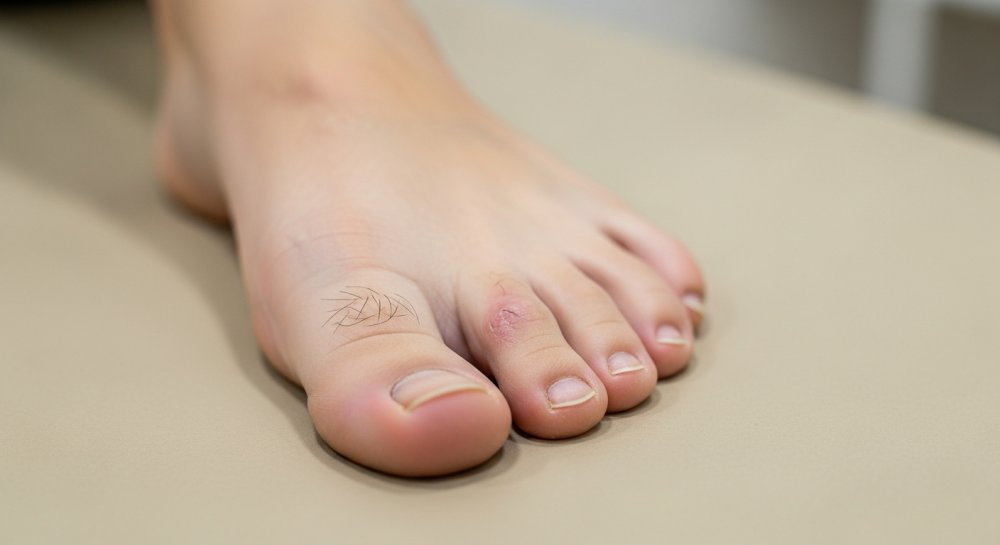
The most prevalent fungal skin infection, commonly known as athlete’s foot, affects the spaces between toes and the soles of feet. Despite its name, this condition strikes people of all activity levels. Symptoms include itching, burning sensations, cracked skin, and sometimes an unpleasant odor.
Ringworm, another widespread fungal infection, has nothing to do with actual worms. The name derives from the characteristic circular, red rash with clearer skin in the center. This highly contagious condition can appear anywhere on the body and spreads through direct contact or contaminated surfaces.
Jock itch predominantly affects men, creating uncomfortable rashes in the groin area. The infection thrives in warm, moist conditions and often develops during summer months or among athletes who wear protective gear for extended periods.
Yeast infections, caused by Candida fungi, typically emerge in warm, moist body folds. Women frequently experience vaginal yeast infections, but these fungi can also cause oral thrush, diaper rash, and infections under breasts or in other skin creases. Individuals with diabetes or weakened immune systems face higher susceptibility.
Nail fungal infections prove particularly stubborn to treat. These infections cause nails to become thick, discolored, and brittle. The condition starts at the nail’s edge and gradually spreads, sometimes leading to permanent nail damage if left untreated.
Tinea versicolor creates discolored patches on the skin—either lighter or darker than surrounding areas. This condition results from yeast that naturally lives on skin growing out of control, often triggered by hot, humid weather or oily skin.
Several factors increase vulnerability to fungal skin infections. A compromised immune system—whether from illness, medication, or stress—reduces the body’s ability to fight off fungal overgrowth. Diabetes creates elevated blood sugar levels that fungi find favorable.
Poor circulation limits the body’s ability to deliver infection-fighting white blood cells to affected areas. Obesity increases the number of skin folds where moisture accumulates. Previous fungal infections can weaken the skin’s defenses, making recurrence more likely.
Recognition of symptoms enables prompt treatment. Common signs include persistent itching or burning, red or discolored patches, scaling or flaking skin, and cracked or peeling skin. Some infections produce distinctive odors or oozing.
Most mild fungal infections respond well to over-the-counter antifungal creams, powders, or sprays. These products contain active ingredients like clotrimazole, miconazole, or terbinafine. Consistent application as directed remains crucial—many people stop treatment when symptoms disappear, before the infection is fully eliminated.
More severe or persistent infections require prescription-strength topical medications or oral antifungal drugs. Healthcare providers may take skin scrapings or nail clippings to identify the specific fungus through laboratory testing, ensuring appropriate treatment selection.
Prevention strategies prove remarkably effective. Keeping skin clean and dry forms the foundation of fungal infection prevention. After bathing or swimming, thorough drying—especially between toes and in skin folds—removes moisture that fungi need to thrive.
Choosing breathable fabrics allows air circulation and reduces moisture accumulation. Cotton and moisture-wicking synthetic materials work better than non-breathable fabrics. Changing out of sweaty clothes promptly limits fungal exposure time.
Personal items should never be shared. Towels, shoes, socks, and clothing can harbor fungi and transmit infections between people. In public spaces like gyms, pools, and locker rooms, wearing protective footwear prevents direct contact with contaminated surfaces.
Foot care deserves special attention. Alternating shoes allows them to dry completely between wearings. Antifungal powders create hostile environments for fungi in shoes and on feet. Choosing shoes with adequate ventilation reduces moisture buildup.
Maintaining healthy immune function through proper nutrition, adequate sleep, stress management, and regular exercise helps the body resist fungal infections naturally. For individuals with diabetes, keeping blood sugar levels well-controlled reduces infection risk significantly.
While most fungal skin infections cause discomfort rather than serious health threats, certain situations warrant immediate medical attention. Infections that spread rapidly, don’t respond to over-the-counter treatment within two weeks, or occur in people with diabetes or compromised immunity require professional evaluation.
Signs of secondary bacterial infection—increased pain, swelling, warmth, red streaks, or pus—indicate the need for prompt medical care. Fever accompanying a skin infection suggests the problem may have spread beyond the skin’s surface.
The good news is that with proper recognition, treatment, and prevention measures, fungal skin infections can be effectively managed. By understanding how these common conditions develop and what steps reduce risk, individuals can maintain healthier skin and avoid the discomfort these infections bring.
Traditional values of personal responsibility and self-care align perfectly with fungal infection prevention. Taking charge of one’s hygiene, making wise choices about shared spaces, and seeking appropriate medical care when needed reflect the kind of practical wisdom that keeps families healthy and reduces unnecessary healthcare costs.
