Nutrition
These Four Everyday Foods May Support Your Skin and Joints Better Than Bone Broth

Health Points
- Collagen-rich foods like chicken skin, fish, egg whites, and citrus fruits can support skin elasticity and joint health as we age
- While bone broth is popular, these alternatives offer more concentrated sources of collagen or the nutrients needed to produce it
- Incorporating these foods into a balanced diet may help maintain youthful skin and mobility after 40
For years, bone broth has dominated the conversation about collagen-boosting foods, with health enthusiasts touting its benefits for everything from skin elasticity to joint pain. But nutrition experts say there are several other everyday foods that may deliver even more powerful collagen support—and they’re already sitting in your kitchen.
Collagen, the most abundant protein in our bodies, naturally declines as we age, particularly after 40. This decrease contributes to visible signs of aging like wrinkles and fine lines, as well as joint stiffness and reduced mobility.
While supplements have flooded the market, research increasingly points to whole-food sources as effective alternatives. “Getting collagen through food allows your body to access it alongside other beneficial nutrients that work synergistically,” explains registered dietitian Sarah Thompson.
Here are four collagen-rich options that deserve a place on your plate:
1. Chicken Skin and Cartilage
Often discarded in favor of leaner cuts, chicken skin is actually one of the richest natural sources of collagen. The connective tissue in chicken, particularly around joints and in the skin, contains high concentrations of type II collagen—the same type found in human cartilage.
Dark meat chicken with the skin intact provides substantially more collagen than boneless, skinless breast meat. For those watching their fat intake, moderation is key, but including some skin-on chicken in your weekly rotation can contribute meaningful collagen benefits.
2. Fish and Shellfish
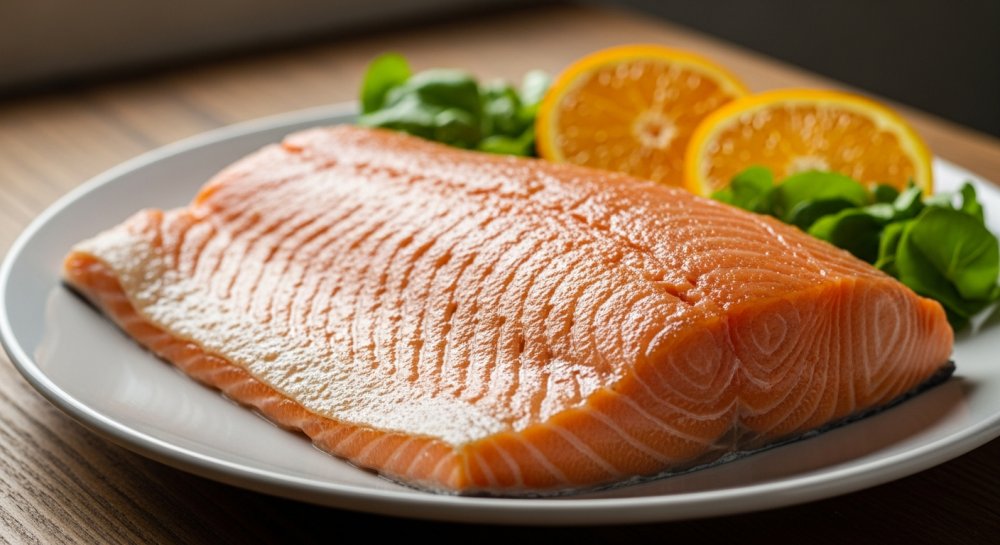
Marine collagen, found in fish skin, scales, and bones, has gained attention for its superior bioavailability—meaning your body can absorb and use it more efficiently than collagen from other sources. Sardines, salmon with skin, and shellfish like shrimp are particularly beneficial.
The smaller peptide size of marine collagen allows it to be absorbed more readily into the bloodstream. Fish also provides omega-3 fatty acids, which help reduce inflammation that can accelerate collagen breakdown.
Eating canned sardines or salmon (with the soft, edible bones) provides a double benefit of collagen and bone-supporting calcium.
3. Egg Whites
While eggs don’t contain collagen themselves, egg whites are rich in proline and glycine—two amino acids that are essential building blocks for collagen production in your body. The membrane between the shell and the egg white also contains collagen and other beneficial compounds.
Egg whites are a lean protein source that can support your body’s natural collagen synthesis without adding significant calories or fat. They’re particularly valuable for those following lower-fat eating patterns who still want to support collagen production.
4. Citrus Fruits and Vitamin C-Rich Foods
Vitamin C plays a critical role in collagen synthesis—without adequate vitamin C, your body cannot produce collagen effectively, regardless of how much protein you consume. Citrus fruits like oranges, grapefruit, and lemons are excellent sources.
Other vitamin C powerhouses include strawberries, bell peppers, broccoli, and kiwi. These foods don’t contain collagen themselves but provide the essential cofactor your body needs to manufacture it.
“Think of vitamin C as the foreman at a construction site—without it, even if you have all the building materials, nothing gets built,” notes nutritionist Dr. Michael Chen.
Making It Work for You
The most effective approach combines collagen-containing foods with those rich in vitamin C and other supportive nutrients. A meal of baked salmon with the skin on, served alongside roasted bell peppers and a citrus salad, delivers collagen, omega-3s, and vitamin C in one sitting.
For breakfast, an omelet made with whole eggs (including some membrane if you’re careful with the shells) alongside fresh strawberries provides both collagen precursors and vitamin C. Even keeping the skin on your roasted chicken thighs and pairing them with steamed broccoli creates a collagen-supporting combination.
While bone broth certainly has its place, these four food categories offer diverse, nutrient-dense options for supporting your body’s collagen needs. Best of all, they integrate seamlessly into familiar meals without requiring special preparation or expensive specialty products.
As with any dietary approach, consistency matters more than perfection. Including these foods regularly as part of a balanced diet—alongside adequate hydration, sun protection, and quality sleep—gives your body the best foundation for maintaining healthy skin and joints as you age.
