Nutrition
This Common Fiber Could Transform Your Energy and Mental Clarity

Health Points
- Prebiotic fiber nourishes beneficial gut bacteria, which produce compounds that support brain function and sustained energy levels
- Regular consumption of prebiotics may improve digestion, reduce inflammation, and strengthen immune response in adults over 40
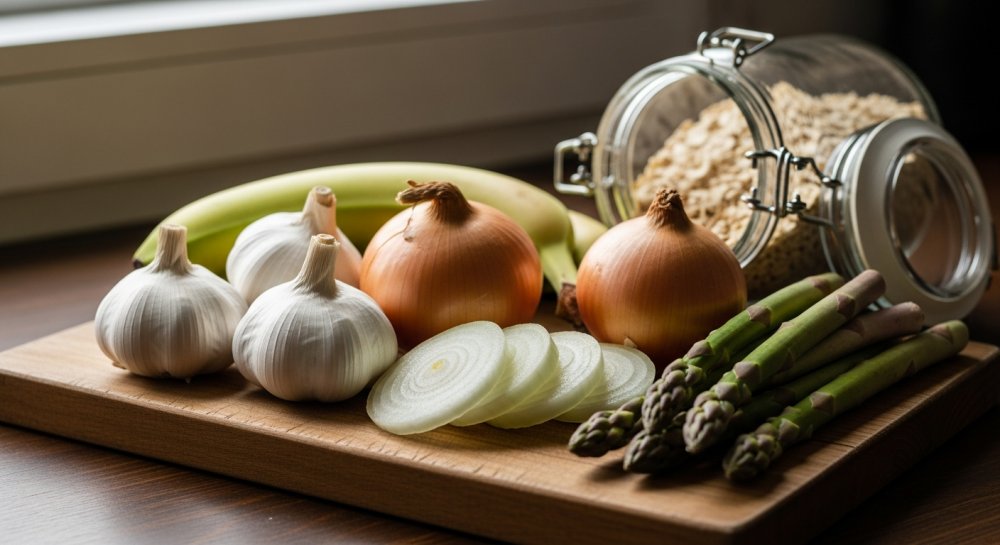
- Natural sources include garlic, onions, bananas, and whole grains—easily incorporated into daily meals without supplements
For years, Americans over 40 have been told to eat more fiber. Now, researchers are discovering that one specific type—prebiotic fiber—may hold the key to better gut health, sharper thinking, and more consistent energy throughout the day.
Prebiotic fiber works differently than the fiber found in most breakfast cereals. Instead of simply adding bulk, these specialized plant compounds travel to your colon where they feed beneficial bacteria.
“Think of prebiotics as fertilizer for the good bacteria in your gut,” explains Dr. Sarah Mitchell, a gastroenterologist at Johns Hopkins Medicine. “When these bacteria feast on prebiotic fiber, they produce compounds that can influence everything from your immune system to your brain function.”
The connection between gut health and overall wellbeing has become clearer in recent years. Studies now show that the bacteria in your digestive tract communicate directly with your brain through what scientists call the gut-brain axis.
When beneficial bacteria break down prebiotic fiber, they create short-chain fatty acids. These compounds reduce inflammation, strengthen the gut lining, and may even influence mood and cognitive function.
For adults entering their 40s and beyond, this becomes particularly important. Natural changes in digestion and metabolism mean the body processes nutrients differently than it did in younger years.
“We see many patients who feel sluggish in the afternoon or struggle with brain fog,” Dr. Mitchell notes. “Often, improving their prebiotic fiber intake makes a noticeable difference within a few weeks.”
The beauty of prebiotic fiber is its accessibility. You don’t need expensive supplements or specialty foods to get enough.
Garlic and onions are among the richest sources, along with leeks and asparagus. Bananas, especially when slightly green, contain resistant starch that functions as a prebiotic. Whole grains like oats and barley provide substantial amounts as well.
Jerusalem artichokes, also called sunchokes, contain the highest concentration of inulin—a powerful prebiotic. Even chicory root, often added to coffee alternatives, delivers significant prebiotic benefits.
The recommended daily intake varies, but nutrition experts suggest aiming for 5-10 grams of prebiotic fiber daily. Most Americans currently consume less than half that amount.
“Start slowly,” advises registered dietitian Lisa Chen. “Adding too much prebiotic fiber too quickly can cause temporary bloating or gas. Your gut bacteria need time to adjust.”
Adding a serving of oatmeal topped with sliced banana at breakfast provides a solid foundation. Cooking with garlic and onions—staples in many traditional diets—naturally increases prebiotic intake without requiring major dietary changes.
The energy benefits may stem from improved nutrient absorption. When gut bacteria thrive, the intestinal lining functions more efficiently, extracting vitamins and minerals from food more effectively.
Research has also linked prebiotic consumption to better blood sugar control. The short-chain fatty acids produced during fermentation can slow glucose absorption, preventing the afternoon energy crashes that many people experience.
Brain function improvements may relate to reduced inflammation. Chronic low-grade inflammation, often called “inflammaging,” contributes to cognitive decline as people age. Prebiotics appear to counter this process.
One recent study found that adults who consumed prebiotic-rich foods regularly showed improved memory recall and faster processing speeds compared to those who didn’t. The effect was most pronounced in participants over 50.
“We’re not talking about miracle cures,” Dr. Mitchell emphasizes. “But the cumulative effect of feeding your gut bacteria properly can be significant over time.”
The immune system benefits are equally compelling. Approximately 70% of immune cells reside in the gut. When the bacterial ecosystem thrives, immune function improves.
People who eat prebiotic fiber regularly report fewer colds and faster recovery from minor illnesses. This matters particularly for older adults, whose immune systems naturally become less robust with age.
Digestive regularity improves as well, though this isn’t the primary benefit. The fermentation process creates a healthier environment throughout the digestive tract, making elimination more comfortable and consistent.
Unlike probiotic supplements, which introduce new bacteria, prebiotics strengthen the bacteria already present. This approach often proves more sustainable and effective long-term.
“Your gut microbiome is as unique as your fingerprint,” Chen explains. “Prebiotics work with your existing bacterial community rather than trying to replace it.”
The cost advantage is considerable. While probiotic supplements can run $30-50 monthly, prebiotic-rich foods are affordable staples available at any grocery store.
For those concerned about taste, the most potent prebiotic foods—garlic, onions, leeks—are culinary foundations in cuisines worldwide. They enhance flavor while delivering health benefits.
Some people prefer supplemental prebiotic powders, typically derived from chicory root or acacia fiber. These can be stirred into water or smoothies for convenience.
“Whole foods are always preferable,” Dr. Mitchell notes. “But if a supplement helps someone reach their prebiotic goal, it’s better than getting none at all.”
The timeline for noticing changes varies by individual. Some people report improved energy within days, while cognitive benefits may take several weeks to become apparent.
Consistency matters more than perfection. Including prebiotic foods most days—not necessarily every day—provides enough nourishment for beneficial bacteria to flourish.
For adults managing chronic conditions like diabetes or autoimmune disorders, prebiotics may offer additional benefits. Research suggests they can modulate immune responses and improve metabolic markers.
Anyone with inflammatory bowel disease or irritable bowel syndrome should consult a healthcare provider before significantly increasing prebiotic intake. In some cases, a gradual approach under medical supervision works best.
The science behind prebiotics continues to evolve. Researchers are identifying new prebiotic compounds and discovering additional ways they influence health.
“We’re still in the early stages of understanding the gut microbiome,” Dr. Mitchell says. “But the evidence we have strongly supports including prebiotic fiber as part of healthy aging.”
For people seeking natural ways to maintain energy, mental sharpness, and overall vitality, prebiotic fiber offers a practical, affordable approach grounded in solid research. The key is making these foods a regular part of daily eating rather than treating them as occasional additions.
