Health
The Heart-Healthy Supplement Doctors Say Belongs in Your Medicine Cabinet

Health Points
- CoQ10, a naturally occurring compound in the body, plays a vital role in energy production and may support heart health, especially for those on statin medications
- Research suggests CoQ10 supplementation could benefit individuals with heart failure, migraine sufferers, and those experiencing statin-related muscle pain
- While generally safe, experts recommend consulting your doctor before adding CoQ10 to your routine, as it may interact with certain medications
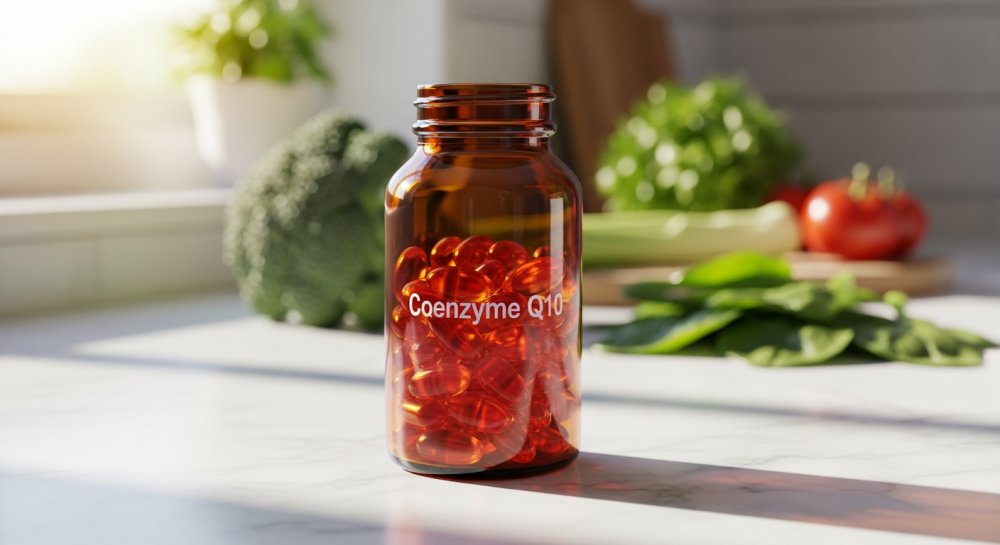
If you’ve wandered down the supplement aisle lately, you’ve likely spotted bottles of Coenzyme Q10—or CoQ10 for short. This naturally occurring compound has been generating buzz in wellness circles, and for good reason. Health experts say it could offer meaningful benefits for your heart, energy levels, and overall vitality as you age.
CoQ10 is found in nearly every cell of your body, where it works tirelessly to produce energy and protect cells from damage. Think of it as your cellular power plant’s essential fuel. While your body makes CoQ10 on its own, production naturally declines with age—and certain medications can deplete it further.
Dr. Emily Chen, a cardiologist at Johns Hopkins Medicine, explains the compound’s growing relevance for midlife adults.
“We’re seeing more evidence that CoQ10 supplementation may help bridge the gap when your body’s natural production starts to lag, particularly if you’re taking statins for cholesterol management.”
Your Heart May Benefit Most
The most compelling research surrounds CoQ10’s potential cardiovascular benefits. Studies indicate that people with heart failure often have lower levels of CoQ10 in their heart tissue. Supplementing with this compound may help improve heart function and reduce symptoms in some patients.
A comprehensive analysis of multiple clinical trials found that CoQ10 supplementation was associated with improved exercise capacity and quality of life in heart failure patients. The benefits appear most pronounced in individuals with more severe heart conditions.
Dr. Robert Martinez, a nutritional biochemist at the Cleveland Clinic, points to the antioxidant properties that make CoQ10 particularly valuable for cardiovascular health.
“CoQ10 doesn’t just help produce energy—it also acts as a powerful antioxidant, protecting your heart cells from oxidative stress that contributes to aging and disease.”
The Statin Connection
If you’re among the millions of Americans taking statin medications to manage cholesterol, CoQ10 deserves special attention. Statins work by blocking an enzyme your liver uses to make cholesterol—but that same enzyme is also involved in producing CoQ10. The result? Many people on statins experience depleted CoQ10 levels.
This depletion may explain the muscle pain and weakness that affects some statin users. Research suggests that CoQ10 supplementation might help alleviate these uncomfortable side effects, making it easier to stick with your prescribed cholesterol management plan.
A study published in the Journal of Clinical Lipidology found that patients taking statins who supplemented with CoQ10 reported significant reductions in muscle pain compared to those taking a placebo. For many, this simple addition made the difference between tolerating their medication and considering alternatives.
Energy and Migraine Relief
Beyond heart health, CoQ10 shows promise for boosting energy levels—though not in the same way as your morning coffee. Because CoQ10 is essential for cellular energy production, adequate levels may help combat the fatigue that often accompanies aging or chronic health conditions.
Migraine sufferers may also find relief. Several studies have demonstrated that CoQ10 supplementation can reduce the frequency and severity of migraine headaches. The mechanism likely relates to improved energy metabolism in brain cells, which may help prevent the cellular energy deficits thought to trigger migraines.
Dr. Sarah Williams, a neurologist specializing in headache medicine, has seen positive results in her practice.
“For patients looking for a preventive approach to migraines, CoQ10 is one of the supplements with actual scientific backing. It’s not a cure-all, but it can be a valuable tool in a comprehensive treatment plan.”
Dosing and Safety Considerations
CoQ10 is generally well-tolerated, with few reported side effects. Most research has used doses ranging from 100 to 300 milligrams daily, though some studies have safely used higher amounts. The supplement comes in two forms: ubiquinone and ubiquinol, with ubiquinol being the more readily absorbed form—though also typically more expensive.
Because CoQ10 is fat-soluble, taking it with a meal containing healthy fats can enhance absorption. Side effects, when they occur, are usually mild and may include digestive upset, nausea, or insomnia if taken late in the day.
However, CoQ10 isn’t appropriate for everyone. It may interact with blood thinners like warfarin, potentially reducing their effectiveness. If you’re taking any prescription medications, especially for your heart or blood pressure, consult your healthcare provider before starting supplementation.
Dr. Chen emphasizes the importance of medical guidance.
“CoQ10 can be beneficial, but it’s not a substitute for prescribed medications or a healthy lifestyle. Think of it as a potential complement to—not a replacement for—the fundamentals of good health.”
Food Sources Offer Natural CoQ10
While supplements provide concentrated doses, you can also boost your CoQ10 intake through diet. Organ meats like liver and kidney are the richest sources, though admittedly not everyone’s favorite foods. More palatable options include fatty fish like salmon and mackerel, whole grains, and certain vegetables like spinach and broccoli.
That said, it’s difficult to obtain therapeutic levels of CoQ10 through diet alone. The amount found in food is significantly lower than what’s typically used in research studies showing health benefits. For most people interested in CoQ10’s potential advantages, supplementation offers a more practical approach.
The Bottom Line on CoQ10
As our understanding of cellular health continues to evolve, CoQ10 stands out as one of the more scientifically supported supplements available. Its role in energy production and antioxidant protection makes it particularly relevant for adults navigating the natural changes that come with aging.
Whether you’re managing a heart condition, dealing with statin side effects, or simply looking to support your body’s cellular function, CoQ10 deserves consideration. Just remember that supplements work best as part of a broader commitment to health—one that includes nutritious eating, regular physical activity, quality sleep, and stress management.
Before adding CoQ10 or any supplement to your routine, have an honest conversation with your healthcare provider about your individual health needs and goals. With the right guidance, this cellular powerhouse might just become a valuable addition to your wellness strategy.
