Health
Doctors Warn These Everyday Symptoms Could Signal Vitamin D Overload

Health Points
- Vitamin D toxicity, while rare, occurs when levels exceed 150 ng/mL in the blood—typically from excessive supplementation, not from sun exposure or food
- Common warning signs include persistent nausea, unexplained weakness, frequent urination, and kidney problems caused by elevated calcium levels
- Experts recommend most adults stick to 600-800 IU daily, with the safe upper limit at 4,000 IU, and emphasize the importance of medical testing before starting high-dose supplements
Vitamin D has earned its reputation as the “sunshine vitamin,” playing a crucial role in bone health, immune function, and overall wellness. But health experts are sounding the alarm about a lesser-known risk: taking too much of this essential nutrient can actually harm your body.
While vitamin D deficiency remains a widespread concern, especially among adults over 40, the pendulum has swung in the opposite direction for some supplement enthusiasts. Understanding the signs of vitamin D toxicity could protect you from serious health complications.
The Science Behind Vitamin D Overload
Vitamin D toxicity—medically known as hypervitaminosis D—occurs when blood levels of the vitamin climb above 150 nanograms per milliliter. This condition is almost always caused by excessive supplementation rather than diet or sun exposure.
“You cannot get too much vitamin D from sunshine or food sources,” explains registered dietitian Sarah Johnson. “The body has natural mechanisms to regulate vitamin D production from sunlight, and foods simply don’t contain enough to cause toxicity.”
The problem arises when well-meaning adults take high-dose supplements without medical supervision. Some people mistakenly believe that if a little vitamin D is good, more must be better—a dangerous assumption that can lead to calcium buildup in the bloodstream.
Warning Signs Your Body Is Getting Too Much
The symptoms of vitamin D toxicity stem primarily from hypercalcemia—elevated calcium levels in the blood. This condition develops because vitamin D increases calcium absorption from food, and excessive amounts can cause calcium to accumulate to dangerous levels.
Digestive distress often appears first. Persistent nausea, vomiting, and loss of appetite are common early warning signs. Many people also experience unexplained stomach pain or constipation that doesn’t respond to typical remedies.
Neurological symptoms can follow. Excessive fatigue, confusion, and difficulty concentrating may indicate your vitamin D levels have climbed too high. Some individuals report feeling persistently weak or experiencing muscle pain despite adequate rest.
“The kidney-related symptoms are particularly concerning,” notes Dr. Michael Chen, an endocrinologist specializing in metabolic disorders. “Frequent urination, excessive thirst, and kidney stones can all result from vitamin D toxicity.”
In severe cases, elevated calcium levels can affect heart rhythm and bone health. Ironically, too much vitamin D—taken to strengthen bones—can actually lead to bone loss and increased fracture risk over time.
How Much Is Too Much?
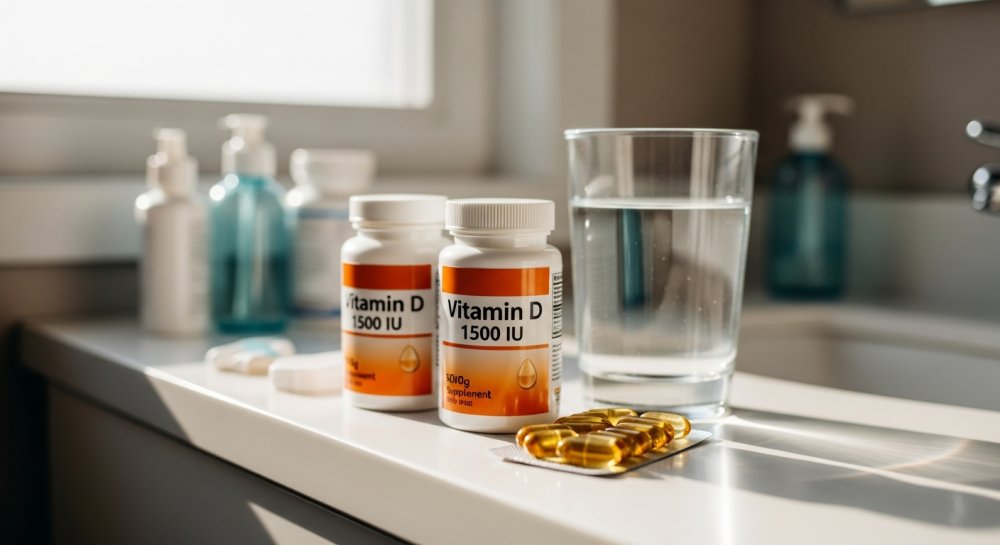
The recommended dietary allowance for vitamin D is 600 IU (international units) daily for adults up to age 70, and 800 IU for those over 70. The Institute of Medicine has established 4,000 IU as the safe upper limit for daily intake.
However, many supplements on pharmacy shelves contain doses far exceeding these recommendations. Some products offer 5,000 to 10,000 IU per capsule, which can quickly lead to toxicity when taken daily without medical oversight.
“I’ve seen patients taking mega-doses of vitamin D based on internet advice or well-meaning friends,” says Dr. Chen. “Blood testing is essential before starting any high-dose vitamin D regimen.”
Vitamin D toxicity typically develops over weeks or months of excessive intake. The fat-soluble vitamin accumulates in body tissues, making the effects cumulative rather than immediate.
Natural Sources Versus Supplements
For most people, a balanced approach incorporating natural vitamin D sources provides adequate levels without risk of toxicity. Sunlight exposure remains the most efficient way to boost vitamin D—just 10 to 30 minutes of midday sun several times per week can suffice for many individuals.
Dietary sources include fatty fish like salmon and mackerel, fortified dairy products, egg yolks, and fortified cereals. These foods provide vitamin D in amounts that support health without approaching dangerous levels.
“Food and sunshine work together beautifully to maintain optimal vitamin D status,” Johnson explains. “Supplements should fill gaps, not replace these natural sources entirely.”
Testing and Treatment
If you’re experiencing symptoms that could indicate vitamin D toxicity, a simple blood test can measure your levels. The test checks for 25-hydroxyvitamin D, the form of vitamin D that circulates in your bloodstream.
Optimal levels typically fall between 20 and 50 ng/mL. Levels between 50 and 150 ng/mL may not cause immediate symptoms but still carry risks. Anything above 150 ng/mL indicates toxicity requiring medical intervention.
Treatment focuses on stopping vitamin D supplementation immediately and reducing calcium intake. In severe cases, healthcare providers may prescribe medications to lower calcium levels or administer intravenous fluids to help flush excess calcium from the body.
“Recovery can take several weeks to months because vitamin D stores in fat tissue,” Dr. Chen notes. “Patience and medical monitoring are crucial during this period.”
Prevention Through Smart Supplementation
Preventing vitamin D toxicity starts with informed decision-making about supplements. Never start high-dose vitamin D without first having your levels tested and consulting with a healthcare provider.
Keep a medication and supplement log to avoid accidentally doubling up on vitamin D from multiple sources. Many multivitamins, calcium supplements, and fortified foods already contain vitamin D that counts toward your daily total.
For adults over 40, annual vitamin D testing can help ensure you’re maintaining healthy levels without veering into excess. This proactive approach allows for dosage adjustments before problems develop.
“The goal is sufficiency, not super-sufficiency,” Johnson emphasizes. “Your body needs vitamin D, but more isn’t always better—it’s about finding your personal sweet spot.”
If you’re currently taking vitamin D supplements, review the dosage on your bottle. If it exceeds 4,000 IU daily or if you’re experiencing any concerning symptoms, schedule an appointment with your healthcare provider to discuss whether testing is appropriate for your situation.
