Nutrition
The Seven-Ingredient Rule That Could Transform Your Morning Smoothie

Health Points
- Adding protein, healthy fats, and fiber to smoothies helps prevent blood sugar spikes and keeps you satisfied longer
- Whole fruits are preferable to fruit juice because the natural fiber slows sugar absorption into the bloodstream
- Strategic ingredient combinations can transform a sugary beverage into a balanced, nutrient-dense meal replacement
The morning smoothie has become a staple in American households, but many people unknowingly sabotage their health goals with one crucial mistake. What seems like a healthy breakfast can actually trigger the same blood sugar rollercoaster as a candy bar.
A registered nurse with expertise in nutrition has identified seven specific strategies to transform a typical smoothie from a sugar bomb into a genuinely nourishing meal. The difference comes down to understanding how your body processes different nutrients.
“Most people think if they’re blending fruit, they’re being healthy,” explains the healthcare professional. “But without the right balance of macronutrients, you’re essentially drinking liquid sugar.”
The first principle involves prioritizing whole fruits over juice. While both contain natural sugars, whole fruit delivers essential fiber that slows the absorption of glucose into your bloodstream. That fiber acts as a buffer, preventing the sharp insulin response that leads to energy crashes and increased hunger within an hour.
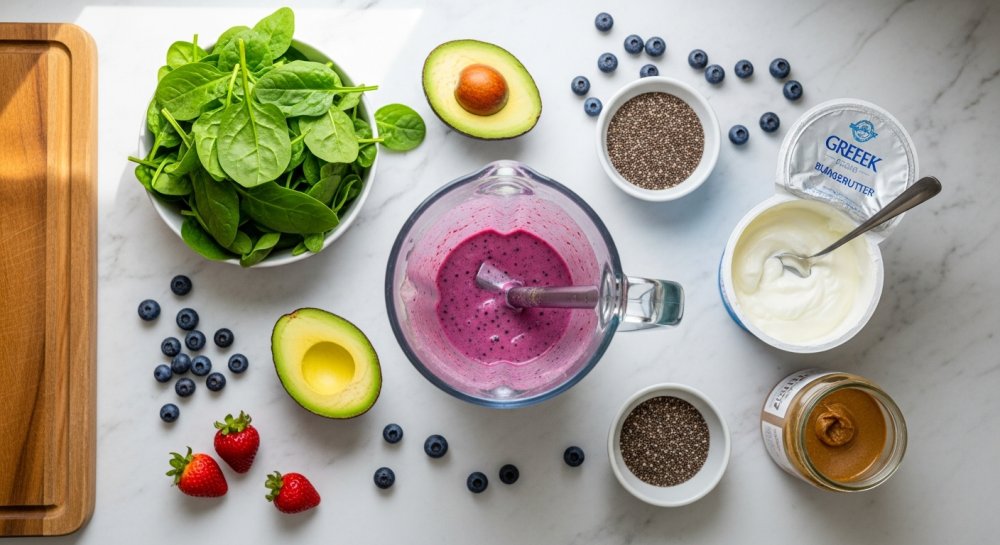
Protein emerges as the second critical component. Whether from Greek yogurt, protein powder, nut butter, or seeds, adding 15-20 grams of protein helps stabilize blood sugar levels and provides lasting satiety. This macronutrient triggers different hormonal responses than carbohydrates alone, signaling fullness to your brain.
The third strategy focuses on healthy fats—think avocado, chia seeds, flaxseed, or coconut oil. These additions slow digestion further and support the absorption of fat-soluble vitamins from any greens in your blend. A tablespoon of nut butter or half an avocado transforms the nutritional profile without overwhelming the flavor.
Leafy greens represent the fourth recommendation. Spinach, kale, or Swiss chard add minimal calories while boosting fiber content and providing essential micronutrients. The beauty of smoothies is that the fruit flavor typically masks the taste of vegetables, making it easier to increase your daily vegetable intake.
The fifth tip addresses portion control with fruit. Limiting your smoothie to one cup of fruit—approximately one to two servings—keeps the sugar content in check. Berries offer particular advantages due to their lower glycemic impact and higher antioxidant content compared to tropical fruits.
Strategic use of liquid forms the sixth principle. Water, unsweetened almond milk, or coconut water provide better bases than fruit juice or sweetened milk alternatives. This simple swap eliminates added sugars while still achieving the desired consistency.
The final recommendation involves adding a source of fiber beyond what whole fruit provides. Ground flaxseed, chia seeds, or psyllium husk powder increase the fiber content significantly, further blunting the blood sugar response and supporting digestive health.
“The goal is to create a balanced meal in a glass,” the nurse emphasizes. “When you include protein, healthy fats, and fiber alongside your fruit, you’re giving your body everything it needs to maintain stable energy levels.”
This approach aligns with broader nutritional science showing that isolated carbohydrates—even from natural sources—create metabolic challenges when consumed alone. The standard American diet already skews heavily toward refined carbohydrates, making every meal an opportunity to restore balance.
For those monitoring their health, particularly individuals with prediabetes, type 2 diabetes, or insulin resistance, these smoothie modifications offer practical daily interventions. The same principles apply to anyone seeking sustained energy without the mid-morning crash that derails productivity and triggers unhealthy snacking.
Traditional values around food preparation emphasized whole ingredients and balanced meals, principles that modern convenience foods have largely abandoned. Reclaiming control over your nutrition starts with simple decisions like how you construct a smoothie. Taking personal responsibility for your health means understanding what you put in your body and why it matters.
The registered nurse’s recommendations reflect a return to common-sense eating patterns that prioritize nutrient density over empty calories. Rather than relying on processed meal replacements or drive-through breakfast options, creating a properly balanced smoothie puts you in charge of your nutritional intake.
Implementation requires minimal additional effort. The same five minutes spent making a fruit-only smoothie easily accommodates adding protein powder, a handful of spinach, and a spoonful of nut butter. The investment pays dividends in how you feel throughout the morning and your long-term metabolic health.
As healthcare costs continue rising and chronic diseases tied to poor nutrition become more prevalent, individual choices about daily eating habits carry increasing significance. A smoothie constructed with attention to blood sugar management represents one small but meaningful step toward better health outcomes.
For anyone seeking to improve their dietary habits without overhauling their entire routine, these seven principles offer an accessible starting point. The morning smoothie becomes not just a quick breakfast but a deliberate act of self-care grounded in nutritional science and personal accountability.
