Health
Portable carbon monoxide alarms offer reliable protection for travelers

Health Points
- Portable carbon monoxide alarms provide travelers with an extra layer of safety in hotels and vacation rentals.
- Regular battery checks and strategic placement help ensure these devices work when needed most.
- Simple habits like proper ventilation and early symptom awareness can prevent serious incidents.
Travelers often assume their accommodations are safe, yet carbon monoxide risks exist in many locations. A small, battery-powered alarm provides peace of mind wherever the trip leads. Many frequent flyers keep one in their carry-on as standard practice.
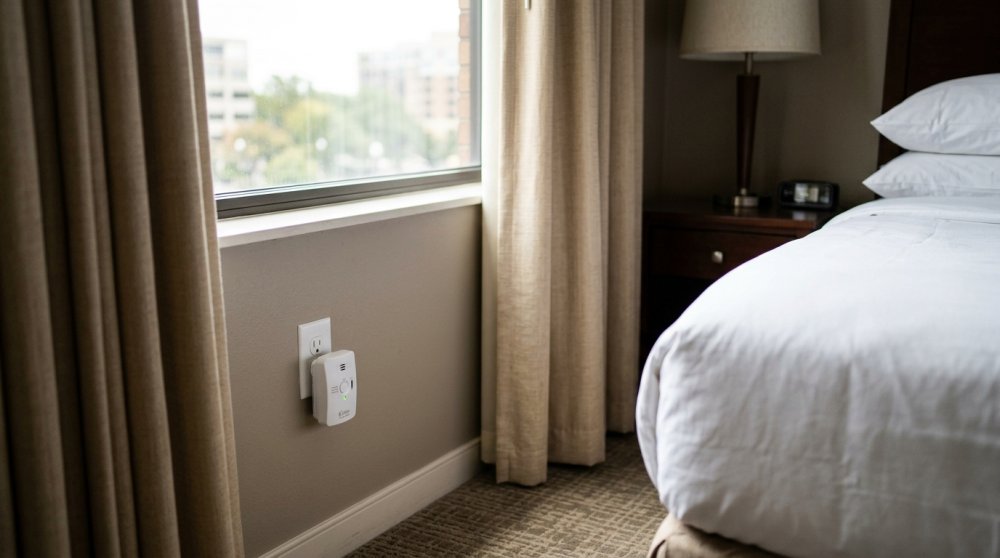
Placement matters just as much as having the device itself. Positioning the alarm near sleeping areas allows it to detect rising gas levels quickly. Experts recommend testing the unit before each trip and replacing batteries on a set schedule.
“A portable alarm is one of the simplest steps anyone can take to stay protected on the road,” notes safety specialist Dr. Linda Harper. “It takes up almost no space yet gives travelers real security.”
Carbon monoxide has no odor or color, making it difficult to notice until symptoms appear. Early signs such as headache, dizziness, or unusual fatigue should prompt immediate fresh air and medical attention. Keeping windows cracked when possible helps reduce buildup in enclosed spaces.
“People sometimes forget that even well-maintained hotels can have undetected leaks,” says Dr. Harper. “Prevention beats reaction every time.”
Before checking in, a quick scan of the room for working smoke detectors and clear exits adds another layer of safety. Travelers who pack their own alarm simply plug it in and gain continuous monitoring. The few minutes spent on setup can prevent far greater problems later.
