Health
The Hidden Cellular Battle Happening Inside Your Body Right Now

Health Points
- Free radicals are unstable molecules that can damage cells and contribute to aging and chronic disease when levels become excessive
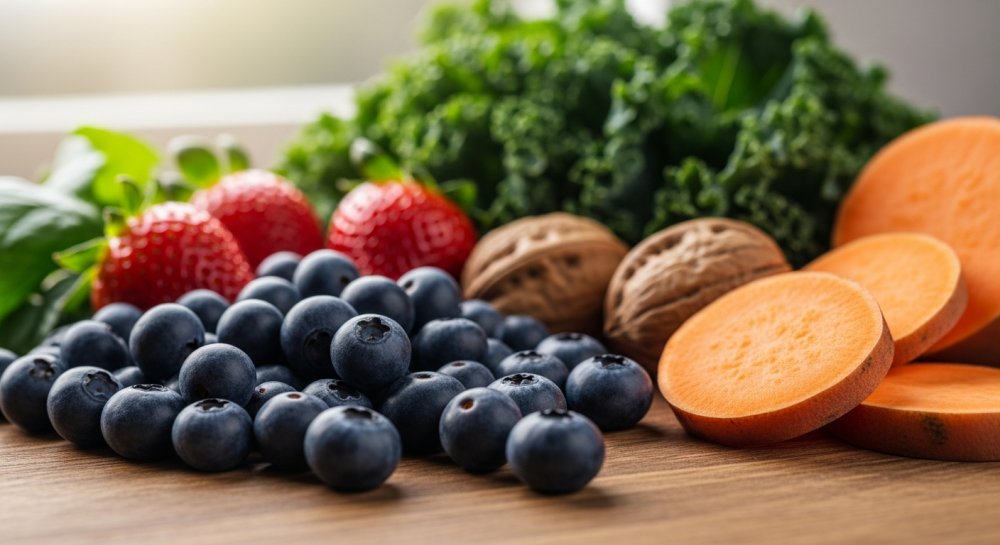
- Antioxidant-rich foods like berries, leafy greens, and nuts help neutralize free radicals and support cellular health
- Lifestyle factors including regular exercise, stress management, and avoiding smoking can help maintain a healthy balance of free radicals in the body
Every moment of every day, a microscopic battle wages inside your body—one that can determine how well you age and your risk for chronic disease. The combatants are called free radicals, and understanding them may be key to protecting your health for decades to come.
Free radicals are unstable molecules that form naturally during normal bodily processes like breathing and digestion. They’re missing an electron, which makes them highly reactive as they seek to stabilize themselves by stealing electrons from other molecules in your cells.
This electron-stealing process, called oxidation, can trigger a destructive chain reaction. When free radicals overwhelm your body’s natural defenses, the resulting oxidative stress can damage DNA, proteins, and cell membranes—setting the stage for premature aging and disease.
“Think of it like rust forming on metal,” explains a health educator. “Free radicals are like the oxygen molecules that cause iron to corrode. In our bodies, they can cause similar damage to our cells if left unchecked.”
Not all free radicals are harmful, however. Your immune system actually produces them deliberately to fight off bacteria and viruses. The key is maintaining the right balance.
External factors can dramatically increase free radical production beyond what your body can handle. Environmental pollutants, cigarette smoke, excessive alcohol consumption, and even prolonged sun exposure all generate additional free radicals. Chronic stress and processed foods high in sugar and unhealthy fats also contribute to the burden.
The good news: your body has a built-in defense system. Antioxidants are molecules that can safely donate electrons to free radicals without becoming unstable themselves, effectively neutralizing the threat.
Your body produces some antioxidants naturally, but many must come from your diet. Colorful fruits and vegetables are particularly rich sources—blueberries, strawberries, dark leafy greens, and sweet potatoes all pack an antioxidant punch. Nuts, seeds, and green tea also provide protective compounds.
“Eating a rainbow of plant foods ensures you’re getting a variety of different antioxidants,” notes a nutritional expert. “Each color represents different protective compounds that work together to support your cellular health.”
Research has linked excessive free radical damage to numerous age-related conditions. Cardiovascular disease, certain cancers, neurodegenerative diseases like Alzheimer’s, and even vision problems have all been associated with chronic oxidative stress.
The visible signs of aging—wrinkles, age spots, and loss of skin elasticity—also reflect free radical damage accumulating over time.
Beyond diet, lifestyle choices play a crucial role in managing free radical levels. Regular physical activity, while temporarily increasing free radical production, actually strengthens your antioxidant defenses over time. Quality sleep allows your body to repair cellular damage, and stress reduction techniques help minimize stress-induced oxidative damage.
Avoiding tobacco products remains one of the most important steps you can take. Cigarette smoke is one of the most potent sources of free radicals, exposing your body to billions of these damaging molecules with each puff.
Moderation matters when it comes to antioxidant supplements, however. While getting antioxidants from whole foods is beneficial, mega-doses of antioxidant supplements haven’t proven as effective and may even be harmful in some cases. Your body needs some free radicals for normal immune function and cellular signaling.
The science of free radicals underscores a timeless truth: the small daily choices you make—what you eat, how you move, how you manage stress—accumulate over time to profoundly impact your long-term health. By understanding this cellular battle and supporting your body’s natural defenses, you’re investing in healthier years ahead.
