Nutrition
Seven Everyday Foods That Transform Your Digestive System Naturally

Health Points
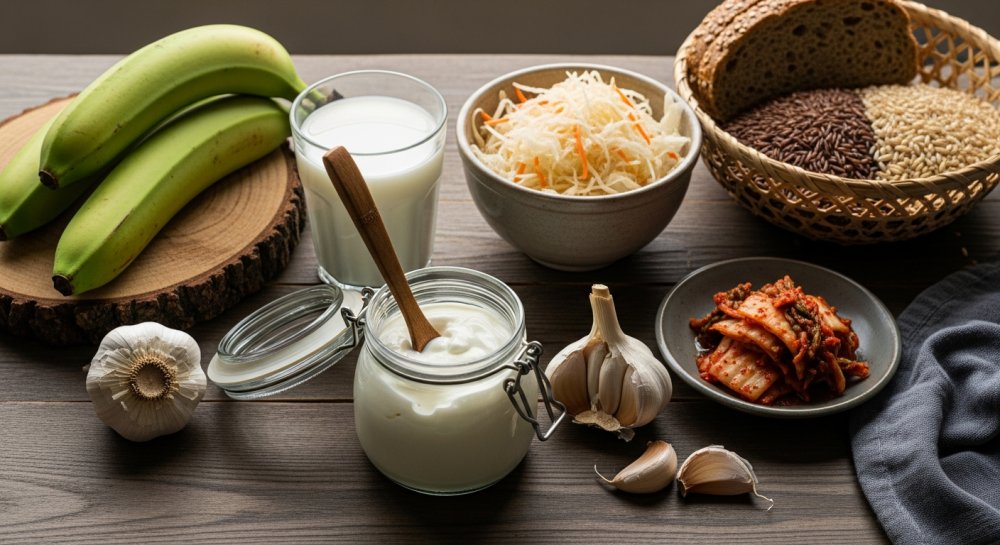
- Seven functional foods deliver probiotics, prebiotics, and fiber to strengthen gut health and support immunity
- Traditional fermented foods like yogurt and kimchi contain live cultures that restore digestive balance
- Simple dietary additions can reduce inflammation and improve nutrient absorption without supplements
When it comes to maintaining vibrant health after 40, few things matter more than what’s happening inside your digestive tract. The good news is that supporting your gut doesn’t require expensive supplements or complicated protocols—just a return to time-tested, wholesome foods that have nourished families for generations.
Functional foods are whole foods that offer health benefits beyond basic nutrition. They work with your body’s natural systems rather than against them, providing the nutrients and beneficial bacteria your digestive system needs to thrive.
Seven standout options deserve a place in your weekly meal planning.
Yogurt: The Classic Probiotic Powerhouse
Plain yogurt with live active cultures remains one of the most accessible sources of probiotics available. These beneficial bacteria help maintain the delicate balance of microorganisms in your intestinal tract.
Look for labels that specifically mention “live and active cultures” and avoid varieties loaded with added sugars. Greek yogurt offers the added benefit of higher protein content, which supports muscle maintenance as we age.
The calcium in yogurt also supports bone health, addressing another key concern for those over 40.
Kefir: Fermented Nutrition in a Glass
This fermented milk drink contains even more probiotic strains than yogurt, making it a particularly potent option for digestive support. Kefir has been consumed for centuries in Eastern European and Middle Eastern cultures, where its health benefits have long been recognized.
The fermentation process breaks down lactose, making kefir easier to digest than regular milk for many people. It provides a complete protein source along with B vitamins, calcium, and magnesium.
Sauerkraut: Traditional Fermentation at Its Best
Raw, unpasteurized sauerkraut delivers powerful probiotics along with vitamin C and digestive enzymes. This simple fermented cabbage has supported health in German and Eastern European communities for generations.
The key is choosing refrigerated varieties that haven’t been heat-treated, as pasteurization kills the beneficial bacteria that make sauerkraut so valuable. Just a few forkfuls with your meal can make a meaningful difference.
Kimchi: Flavorful Fermented Vegetables
This Korean staple combines fermented cabbage with garlic, ginger, and chili peppers to create a probiotic-rich food that also fights inflammation. The spices and vegetables work together to support both digestive health and immune function.
Kimchi provides vitamins A, B, and C along with beneficial lactobacilli bacteria. Like sauerkraut, choose unpasteurized versions for maximum benefit.
Whole Grains: Fiber for Digestive Function
Oats, brown rice, and whole wheat provide the prebiotic fiber that feeds beneficial gut bacteria. This fiber also promotes regular bowel movements and helps maintain stable blood sugar levels—both important concerns as we age.
Whole grains contain B vitamins and minerals that refined grains lack. They provide sustained energy without the blood sugar spikes that come from processed carbohydrates.
Starting your day with steel-cut oats or including brown rice with dinner are simple ways to increase your prebiotic fiber intake.
Bananas: Natural Prebiotic Convenience
Slightly green bananas contain resistant starch, a type of prebiotic fiber that passes through the upper digestive system unchanged and feeds beneficial bacteria in the colon. As bananas ripen, this resistant starch converts to simple sugars, so less-ripe bananas offer the most gut health benefits.
Bananas also provide potassium for heart health and B vitamins for energy metabolism. They’re an ideal portable snack that requires no preparation.
Garlic: Powerful Prebiotic and More
Raw garlic contains inulin, a prebiotic fiber that feeds beneficial gut bacteria. It also has antimicrobial properties that may help maintain healthy bacterial balance by discouraging harmful organisms.
Garlic supports cardiovascular health and immune function, making it a true multi-purpose functional food. Adding fresh garlic to salad dressings or finishing dishes with raw minced garlic preserves its beneficial compounds, which cooking can diminish.
Building a Gut-Healthy Eating Pattern
The key to supporting digestive health isn’t consuming large amounts of any single food, but rather incorporating variety into your regular eating pattern. Different probiotic foods contain different bacterial strains, and different prebiotic foods feed different beneficial bacteria.
A breakfast of yogurt with sliced banana, a lunch salad with garlic dressing, and dinner featuring brown rice with a side of kimchi or sauerkraut covers multiple bases. These aren’t exotic superfoods requiring specialty stores—they’re traditional, whole foods available in any grocery store.
Supporting your gut health supports your overall health. The digestive system influences immune function, mental clarity, energy levels, and even mood.
By choosing functional foods that work with your body’s natural design, you’re investing in health that extends far beyond digestion. These simple dietary additions represent a return to the traditional eating patterns that sustained previous generations—and they can sustain you too.
