Health
The Silent Circulation Problem Affecting Millions of Americans Over 50

Health Points
- Peripheral artery disease (PAD) narrows arteries in the limbs, reducing blood flow and causing pain during movement
- Eight million Americans live with PAD, with risk increasing significantly after age 50
- Early detection and lifestyle changes can prevent progression to serious complications like tissue death
A quiet epidemic is affecting the health of millions of Americans, particularly those over 50, and many don’t even know they have it. Peripheral artery disease represents a significant cardiovascular threat that demands attention from anyone concerned about healthy aging.
Peripheral artery disease, commonly known as PAD, occurs when arteries that supply blood to the limbs become narrowed or blocked. This reduction in blood flow most frequently affects the legs, though it can impact any extremity. The condition develops when fatty deposits accumulate on artery walls, a process called atherosclerosis, which restricts the vital flow of oxygen-rich blood to muscles and tissues.
The numbers paint a concerning picture. Eight million Americans currently live with PAD, according to medical experts. The condition doesn’t discriminate, but certain groups face elevated risk—particularly individuals over 50, smokers, those with diabetes, and people managing high blood pressure or high cholesterol.
Many people with PAD experience leg pain or cramping when walking or climbing stairs, a symptom called claudication. The discomfort typically subsides with rest. Other warning signs include coldness in the lower leg or foot, numbness or weakness in the legs, slower toenail and leg hair growth, and wounds on the feet or legs that heal slowly or not at all.
Some individuals with PAD experience no symptoms at all, making regular health screenings essential for those in high-risk categories. Early detection matters tremendously because untreated PAD can lead to serious complications.
The most severe consequence of advanced PAD is critical limb ischemia, where blood flow becomes so restricted that tissue begins to die. This medical emergency can result in amputation if not addressed promptly. PAD also serves as a red flag for cardiovascular disease elsewhere in the body—people with PAD face increased risk of heart attack and stroke.
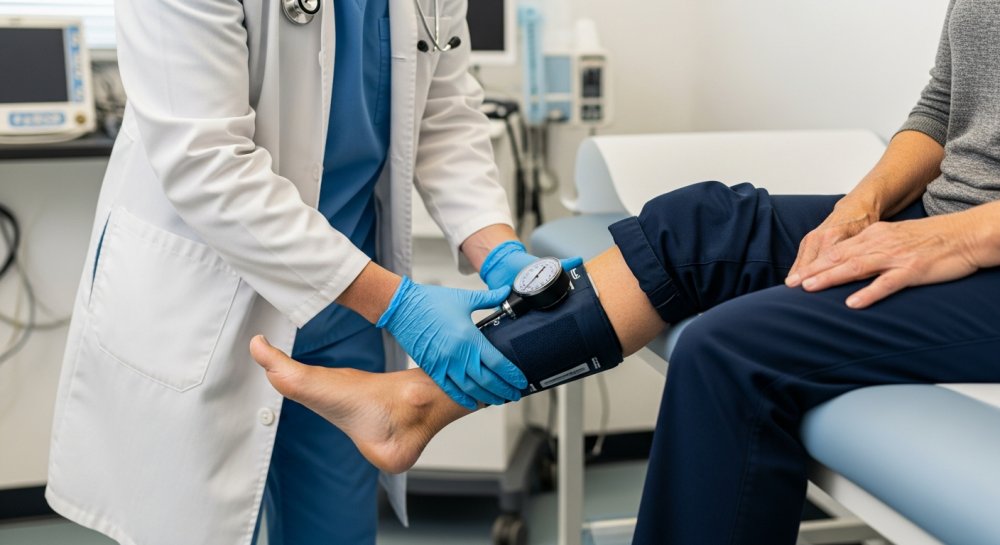
Diagnosis typically involves a simple, painless test called the ankle-brachial index, which compares blood pressure in the ankle to blood pressure in the arm. Doctors may also use ultrasound imaging, angiography, or blood tests to confirm PAD and assess its severity.
Treatment approaches vary depending on the condition’s progression. For many patients, lifestyle modifications form the foundation of management. Quitting smoking stands as the single most important step for smokers with PAD. Regular walking programs, despite initial discomfort, help develop collateral circulation—the body’s natural workaround for blocked arteries.
Dietary changes that reduce cholesterol and support heart health complement exercise programs. Maintaining healthy blood pressure and blood sugar levels through medication when necessary also plays a crucial role in slowing PAD’s progression.
For more advanced cases, medical interventions become necessary. Medications may include drugs that prevent blood clots, lower cholesterol, or improve blood flow. When blockages become severe, procedures like angioplasty (using a balloon to open narrowed arteries) or bypass surgery (routing blood around blocked arteries) may be required.
Prevention strategies mirror those for other cardiovascular conditions. Not smoking, maintaining a healthy weight, exercising regularly, and managing chronic conditions like diabetes and hypertension all reduce PAD risk significantly. These same healthy habits benefit overall cardiovascular health and support successful aging.
For Americans over 40 concerned about maintaining mobility and independence as they age, awareness of peripheral artery disease represents an important step in proactive health management. The condition responds well to early intervention, but only when people recognize the warning signs and seek medical evaluation.
Anyone experiencing leg pain with walking, particularly if it resolves with rest, should discuss these symptoms with their healthcare provider. Those with multiple risk factors may benefit from screening even without symptoms. Taking charge of cardiovascular health today protects the active, independent lifestyle most people hope to maintain throughout their later years.
