Nutrition
Six Everyday Foods Pack More Vitamin K Than You Think

Health Points
- Vitamin K supports bone health, heart function, and proper blood clotting in adults over 40
- Many common vegetables and herbs contain significantly more vitamin K than broccoli
- Daily vitamin K needs are easily met through diverse plant-based foods without supplementation
While broccoli has long held its reputation as a nutritional powerhouse, several everyday foods deliver even more vitamin K—a nutrient that becomes increasingly important as we age. This essential vitamin plays a crucial role in bone density, cardiovascular health, and blood clotting, making it particularly valuable for those over 40.
Vitamin K comes in two primary forms: K1 (phylloquinone), found in plant foods, and K2 (menaquinone), present in fermented foods and animal products. Adults need approximately 90 to 120 micrograms daily. While broccoli provides about 110 micrograms per cooked cup, other foods far exceed this amount.
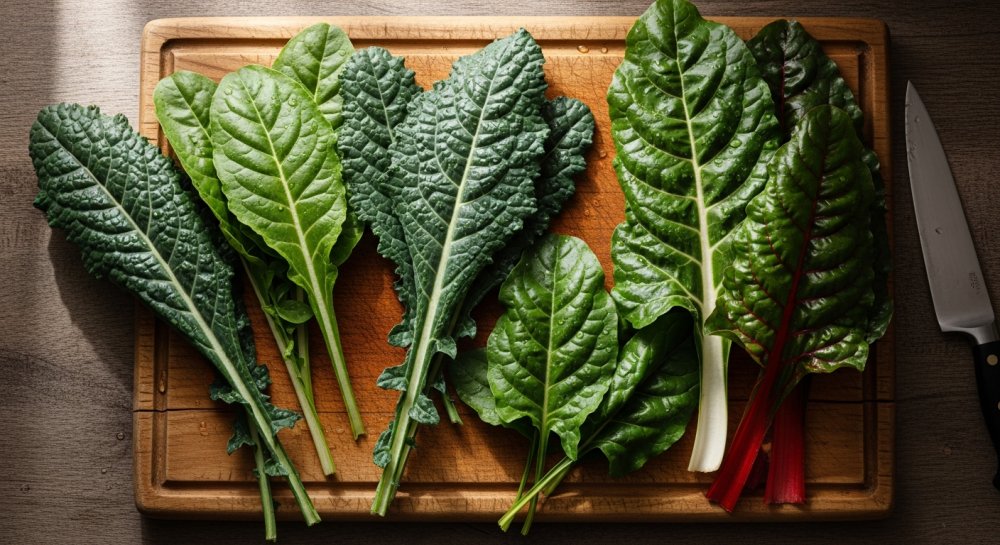
Kale stands at the top of the vitamin K hierarchy. A single cup of cooked kale delivers an impressive 544 micrograms—nearly five times the amount in broccoli. This leafy green also provides substantial amounts of vitamins A and C, making it a triple threat for immune support and vision health.
Collard greens offer 836 micrograms per cooked cup, ranking them among the highest vitamin K sources available. These traditional Southern greens support bone mineralization and may help reduce calcium deposits in arteries—a concern that increases with age.
Spinach provides 888 micrograms per cooked cup, though its raw form contains significantly less. The cooking process concentrates nutrients by reducing water content. Spinach also delivers iron and folate, nutrients essential for energy production and cellular health.
Fresh herbs pack remarkable vitamin K density despite their small serving sizes. Just one tablespoon of fresh parsley contains 62 micrograms. A quarter cup of fresh basil provides 110 micrograms—matching broccoli’s content in a fraction of the volume.
Swiss chard contributes 299 micrograms per cooked cup alongside magnesium and potassium, minerals that support heart rhythm and muscle function. Its colorful stems indicate the presence of additional antioxidants.
Mustard greens round out the list with 419 micrograms per cooked cup. These peppery greens contain compounds called glucosinolates, which research suggests may support the body’s natural detoxification processes.
Incorporating these foods into daily meals requires minimal effort. Adding fresh herbs to salads, sautéing greens as side dishes, or blending spinach into smoothies can easily meet or exceed daily vitamin K requirements. Those taking blood-thinning medications should consult their healthcare provider before significantly increasing vitamin K intake, as the nutrient can affect medication efficacy.
The variety of high-vitamin-K foods means meeting nutritional needs doesn’t require relying on a single source. Rotating different greens throughout the week provides not only adequate vitamin K but also a broad spectrum of complementary nutrients that support overall wellness after 40.
