Nutrition
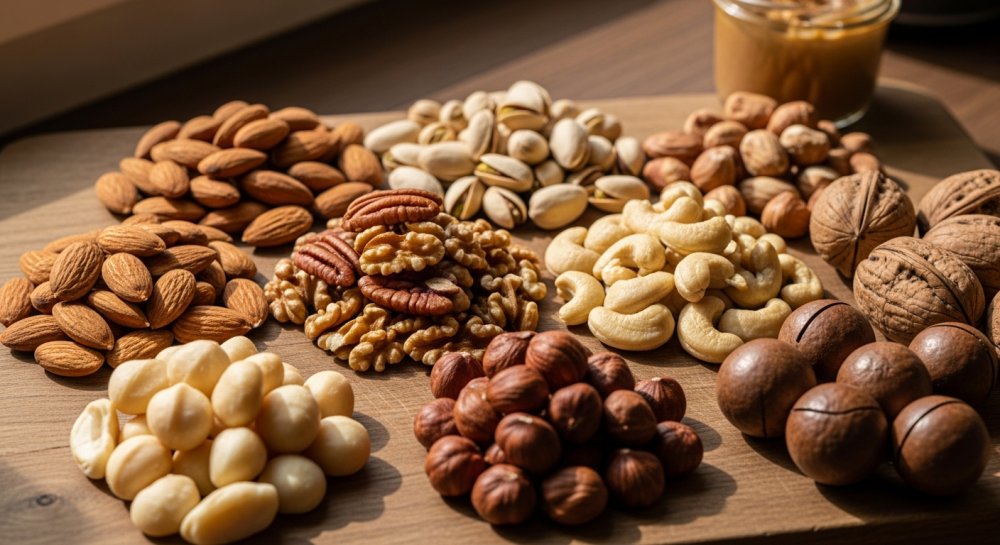
These Nine Nuts Pack More Protein Than Your Favorite Peanut Butter

Health Points
- Several nuts contain more protein per serving than traditional peanut butter, making them excellent choices for protein-conscious eaters
- Almonds, pistachios, and cashews lead the pack with significant protein content that supports muscle health and satiety
- Incorporating a variety of nuts into your diet provides diverse nutrients beyond just protein, including healthy fats and essential minerals
For decades, peanut butter has reigned as America’s go-to protein-rich snack. But nutrition experts are spotting a trend among health-conscious adults over 40: a shift toward diverse nut options that deliver even more nutritional punch.
While a two-tablespoon serving of peanut butter contains approximately 7-8 grams of protein, several other nuts surpass this benchmark when consumed in whole or butter form.
Almonds top the list with about 6 grams of protein per ounce of whole nuts, and almond butter can deliver up to 10 grams per serving. These tree nuts also provide vitamin E, magnesium, and heart-healthy monounsaturated fats that support cardiovascular health—a priority for those entering their middle years.
Pistachios follow closely, offering roughly 6 grams of protein per ounce along with potassium and antioxidants. Their naturally portioned shells encourage mindful eating, a practice that resonates with traditional values of self-discipline and moderation.
Cashews deliver approximately 5 grams of protein per ounce and contribute iron and zinc to the diet. Cashew butter has gained popularity as a creamy alternative that blends well into smoothies and spreads easily on whole-grain toast.
Walnuts, pecans, and Brazil nuts each contribute 4-5 grams of protein per ounce while offering unique nutritional profiles. Walnuts provide omega-3 fatty acids crucial for brain health, pecans supply manganese for bone strength, and Brazil nuts contain selenium, a mineral that supports thyroid function.
Hazelnuts and macadamia nuts round out the list with 4 grams of protein per ounce. Though slightly lower in protein, they compensate with rich flavors and satisfying textures that make healthy eating enjoyable rather than restrictive.
The protein in nuts supports muscle maintenance, which becomes increasingly important after age 40 when natural muscle loss accelerates. Registered dietitians emphasize that combining different nuts throughout the week maximizes nutritional benefits while preventing taste fatigue.
Storage matters for preserving both flavor and nutrients. Nuts contain oils that can turn rancid when exposed to heat and light. Keeping them in airtight containers in cool, dark places—or even refrigerating them—extends freshness and maintains their protein quality.
Portion control remains essential despite nuts’ health benefits. Their calorie density means a little goes a long way. A serving size of one ounce, roughly a small handful, provides substantial protein and healthy fats without excessive calories.
For those managing food budgets, buying nuts in bulk and storing them properly offers cost savings. Many warehouse stores now carry organic options at competitive prices, making nutritious choices more accessible to families prioritizing wholesome eating.
The versatility of these protein-rich nuts extends beyond snacking. Chopped almonds add crunch to salads, crushed pistachios create flavorful crusts for fish, and cashew cream serves as a dairy alternative in traditional recipes adapted for modern dietary preferences.
While peanut butter will always hold a place in American kitchens, expanding your nut repertoire delivers varied nutrition that supports active, healthy aging. Simple dietary adjustments like these reflect a common-sense approach to wellness—one that honors both tradition and innovation in family nutrition.
