Nutrition
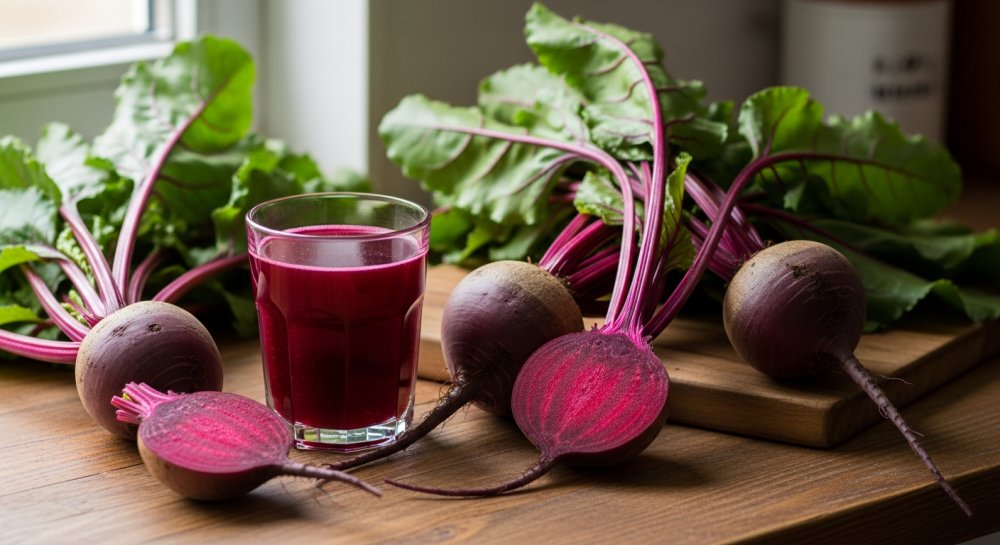
Beets Could Lower Your Blood Pressure After Just One Serving

Health Points
- Beets contain dietary nitrates that convert to nitric oxide, which helps relax and widen blood vessels
- Studies show a single serving of beetroot juice can reduce blood pressure within hours
- Regular beet consumption may support cardiovascular health and improve blood flow
A vibrant root vegetable sitting in produce aisles nationwide may offer surprising cardiovascular benefits. Research suggests that eating beets can have a measurable impact on blood pressure levels, potentially helping millions of Americans manage hypertension through dietary choices.
Beets are rich in dietary nitrates, natural compounds that the body converts into nitric oxide. This conversion process is at the heart of beets’ blood pressure-lowering effects. Nitric oxide acts as a vasodilator, meaning it helps relax and widen blood vessels, allowing blood to flow more freely and reducing the pressure on arterial walls.
“The nitrates in beets are converted by bacteria in the mouth and stomach into nitric oxide, which has important cardiovascular effects,” nutrition researchers have noted in clinical studies.
Multiple studies have examined the timeline and magnitude of these effects. In one notable trial, participants who consumed beetroot juice experienced measurable blood pressure reductions within just two to three hours. The peak effect typically occurred around three to four hours after consumption, with benefits lasting up to 24 hours.
The blood pressure reduction observed in research isn’t trivial. Some studies have documented systolic blood pressure drops of 4 to 10 mmHg and diastolic reductions of 1 to 5 mmHg following beet consumption. For context, even modest reductions in blood pressure can translate to meaningful decreases in cardiovascular risk over time.
Beetroot juice has been the focus of much research due to its concentrated nitrate content, but whole beets also provide these beneficial compounds. Whether roasted, steamed, or eaten raw in salads, beets retain their health-promoting properties. The key is regular consumption rather than occasional intake.
“Consistency matters when it comes to dietary approaches to blood pressure management,” cardiovascular health experts explain. “A single serving can have acute effects, but sustained benefits require ongoing dietary patterns.”
The amount needed to see effects varies by individual and baseline blood pressure levels. Research typically uses 200 to 500 milliliters of beetroot juice, equivalent to about one to two medium-sized beets. People with higher baseline blood pressure may experience more pronounced reductions.
Beyond blood pressure, the improved blood flow from increased nitric oxide may enhance exercise performance and oxygen delivery to tissues. Athletes have explored beetroot juice as a natural performance aid, with some research supporting modest endurance improvements.
While beets offer cardiovascular benefits, they shouldn’t replace prescribed blood pressure medications. Anyone taking blood pressure medication should consult their healthcare provider before making significant dietary changes, as the combined effects could potentially lower blood pressure too much.
People taking nitrate-based medications for heart conditions should also speak with their doctor before increasing beet consumption. The dietary nitrates in beets could interact with certain medications.
For most adults, incorporating beets into a balanced diet represents a safe, natural approach to supporting cardiovascular health. The vegetable provides additional nutrients including folate, potassium, and fiber—all beneficial for heart health.
The traditional American diet often falls short on vegetable intake, particularly nutrient-dense options like beets. Adding this colorful root vegetable to regular meal rotation offers multiple health advantages beyond blood pressure management.
Simple preparation methods preserve beets’ beneficial compounds. Roasting brings out natural sweetness, while raw beets add crunch to salads. Beetroot juice, though more concentrated, can be mixed with other vegetable juices to moderate the earthy flavor some find challenging.
As research continues to explore food-based approaches to chronic disease prevention, beets stand out as an accessible, evidence-supported option for cardiovascular support. For the millions of American adults managing hypertension or prehypertension, this humble vegetable offers a practical dietary strategy worth considering.
