Health
The Silent Vitamin Your Doctor Isn’t Telling You About

Health Points
- Vitamin K plays a crucial role in blood clotting, bone health, and cardiovascular function
- There are two main types: K1 (found in leafy greens) and K2 (found in fermented foods and animal products)
- Adults need 90-120 micrograms daily, easily achievable through a balanced diet rich in vegetables
While most Americans focus on vitamins C and D, a lesser-known nutrient quietly works behind the scenes to keep your heart pumping and bones strong. Vitamin K, often overlooked in wellness conversations, deserves a spot on your nutritional radar—especially as you enter your 40s and beyond.
This fat-soluble vitamin comes in two primary forms: K1 (phylloquinone), abundant in leafy green vegetables, and K2 (menaquinone), found in fermented foods and animal products. Both play distinct yet complementary roles in maintaining your body’s vital systems.
Keeping Your Blood Flowing Properly
Vitamin K’s most established benefit lies in blood clotting—the “K” actually comes from the German word “koagulation.” When you cut yourself, vitamin K activates proteins that help your blood form clots, preventing excessive bleeding.
Without adequate vitamin K, even minor injuries could lead to prolonged bleeding. The vitamin works with clotting factors in your liver to create a cascade of chemical reactions that seal wounds efficiently.
This essential function becomes particularly important for adults taking blood-thinning medications, who need to maintain consistent vitamin K intake to avoid interfering with their treatment.
Building Stronger Bones After 40
As we age, bone health becomes increasingly critical. Vitamin K activates osteocalcin, a protein that binds calcium to bones, making them denser and more resistant to fractures.
Research suggests that adequate vitamin K intake correlates with higher bone mineral density and reduced fracture risk. For women navigating menopause, when bone loss accelerates, this nutrient offers valuable protection alongside calcium and vitamin D.
Studies indicate that vitamin K2 may be particularly effective for bone health. Japanese natto—a fermented soybean dish exceptionally high in K2—has been linked to lower rates of osteoporosis in populations that consume it regularly.
Protecting Your Cardiovascular System
Perhaps vitamin K’s most exciting emerging benefit involves heart health. The nutrient activates matrix GLA protein, which prevents calcium from depositing in arterial walls—a process called vascular calcification that contributes to heart disease.
Think of vitamin K as a traffic controller, directing calcium to your bones where it belongs and away from your arteries where it causes problems. This mechanism becomes increasingly important as arterial stiffness naturally increases with age.
Multiple studies have associated higher vitamin K intake with reduced arterial calcification and lower cardiovascular disease risk. While research continues, the evidence strongly suggests this vitamin plays a protective role in maintaining healthy blood vessels.
Supporting Cognitive Function
Emerging research hints at vitamin K’s potential role in brain health. The vitamin participates in synthesizing sphingolipids, a class of fat molecules abundant in brain cell membranes.
Some observational studies have linked higher vitamin K intake with better cognitive performance and reduced dementia risk in older adults. While scientists need more research to establish definitive conclusions, the preliminary findings are promising.
Getting Enough Through Your Diet
The recommended adequate intake for vitamin K is 120 micrograms daily for men and 90 micrograms for women. Fortunately, reaching this target doesn’t require supplements for most people.
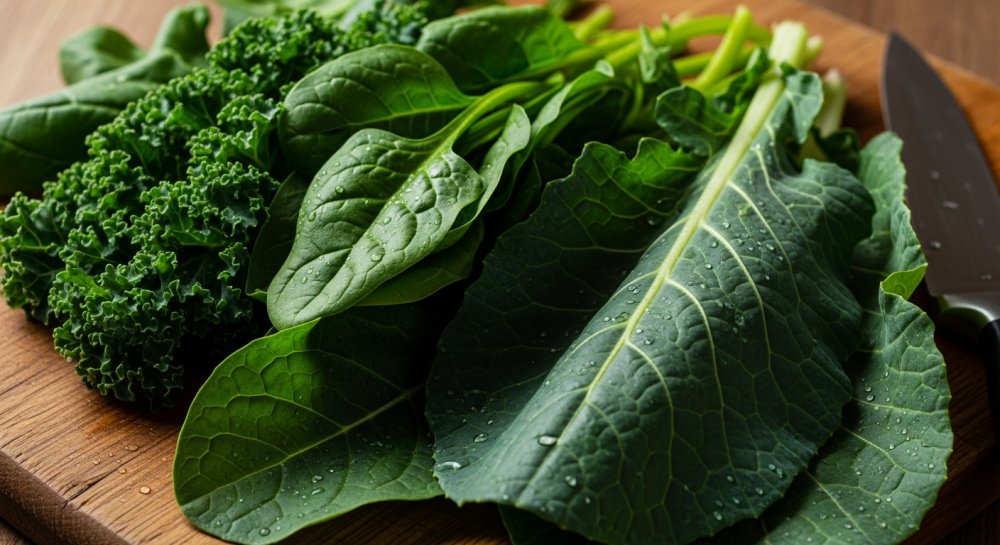
A single cup of cooked kale provides over 1,000 micrograms of vitamin K1—more than ten times your daily requirement. Other excellent sources include spinach, collard greens, Brussels sprouts, and broccoli.
For vitamin K2, consider adding fermented foods like sauerkraut, certain cheeses (especially Gouda and Brie), egg yolks, and chicken to your meals. Grass-fed animal products typically contain higher K2 levels than conventional options.
Since vitamin K is fat-soluble, pair these foods with healthy fats—olive oil on your salad, butter with your Brussels sprouts—to enhance absorption. Your body stores vitamin K in the liver and fatty tissues, drawing on these reserves when dietary intake dips temporarily.
Who Needs to Pay Special Attention
Certain individuals should monitor their vitamin K intake more carefully. People taking warfarin or other blood thinners need consistent vitamin K consumption—dramatic fluctuations can interfere with medication effectiveness.
Those with malabsorption conditions like celiac disease, Crohn’s disease, or ulcerative colitis may struggle to absorb adequate vitamin K. Similarly, people who’ve undergone gastric bypass surgery should discuss supplementation with their healthcare provider.
Newborns receive vitamin K injections at birth because they’re born with limited stores and their digestive systems can’t yet produce it efficiently. This practice has dramatically reduced the incidence of vitamin K deficiency bleeding in infants.
The Bottom Line
Vitamin K exemplifies how traditional, whole-food nutrition continues to prove its worth. Rather than seeking the latest supplement trend, focus on filling your plate with diverse, colorful vegetables—particularly the leafy green varieties your grandmother recommended.
The beauty of vitamin K lies in its accessibility. You don’t need expensive supplements or exotic superfoods.
A simple commitment to eating more vegetables, especially the green ones many of us neglected as children, delivers this vital nutrient alongside fiber, antioxidants, and other health-promoting compounds. As you prioritize your health in your 40s, 50s, and beyond, let vitamin K-rich foods become reliable staples in your kitchen—your heart, bones, and body will thank you.
