Nutrition
The Ancient Herb That Could Support Your Heart and Brain Health

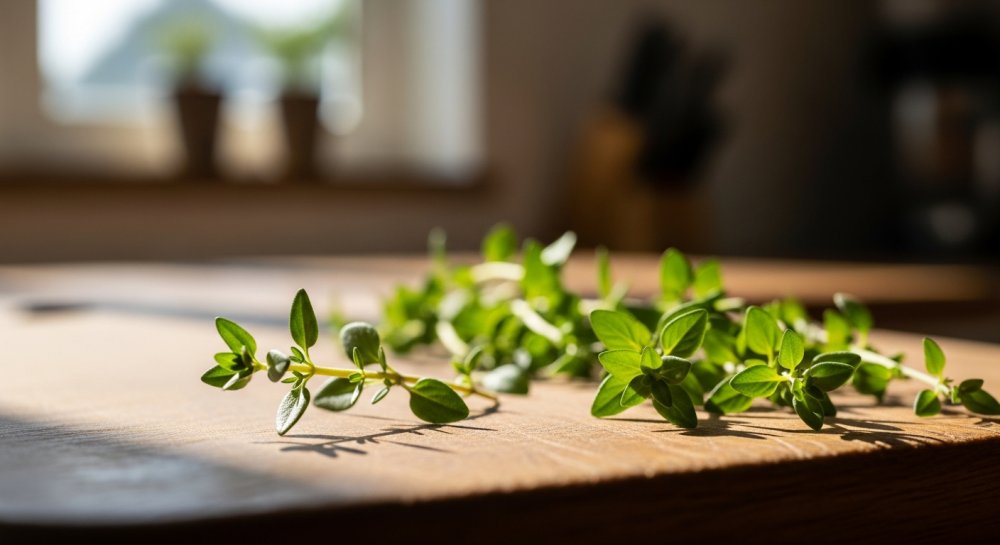
Health Points
- Thyme contains powerful antioxidants called polyphenols that may help protect cells from damage and reduce inflammation
- Research suggests thyme extract could support heart health by helping to lower blood pressure and cholesterol levels
- The herb has been traditionally used for respiratory health and may help ease coughing and chest congestion
For centuries, thyme has been more than just a flavorful addition to roasted chicken and savory dishes. This humble herb, with its delicate leaves and earthy aroma, has a long history in traditional medicine across cultures. Now, modern research is beginning to validate what ancient healers seemed to know all along—thyme may offer genuine health benefits worth paying attention to.
The secret lies in thyme’s impressive nutrient profile. The herb is packed with vitamins A and C, along with minerals like copper, fiber, iron, and manganese. But what really sets thyme apart are its polyphenols—plant compounds that act as antioxidants in the body, helping to neutralize harmful free radicals that can damage cells over time.
One of the most promising areas of research involves thyme’s potential cardiovascular benefits. Several studies have examined how thyme extract affects heart health markers, with encouraging results. In animal studies, thyme extract demonstrated an ability to help lower blood pressure and reduce cholesterol levels—two key factors in maintaining a healthy heart as we age.
The anti-inflammatory properties of thyme also deserve attention. Chronic inflammation has been linked to numerous health concerns, from arthritis to heart disease. The compounds found in thyme may help calm inflammation in the body, though researchers emphasize that more human studies are needed to confirm these effects.
Respiratory health represents another traditional use of thyme that’s gaining scientific support. The herb contains compounds called carvacrol and thymol, which may help relax muscles in the respiratory tract. This could explain why thyme tea and thyme-based remedies have been used for generations to ease coughs and chest congestion during cold and flu season.
Brain health is an emerging area of interest. Preliminary research suggests that the antioxidants in thyme might help protect brain cells from age-related decline. While it’s far too early to call thyme a “brain food,” the initial findings are intriguing enough to warrant further investigation.
Incorporating thyme into your daily routine doesn’t require any special effort. Fresh thyme can elevate simple dishes like roasted vegetables, soups, and marinades. Dried thyme works beautifully in rubs for meats and poultry. For those interested in the potential health benefits, thyme tea offers a soothing option—simply steep fresh or dried thyme in hot water for several minutes.
Some people opt for thyme supplements or essential oils, but this is where caution becomes essential. Concentrated forms of thyme can interact with medications, particularly blood thinners and blood pressure medications. Thyme oil applied directly to skin can cause irritation in some individuals.
Anyone considering thyme supplements should consult with their healthcare provider first, especially if they’re taking prescription medications or have existing health conditions. Pregnant women should be particularly cautious, as concentrated thyme preparations may not be safe during pregnancy.
The bottom line? Thyme appears to be more than just a culinary herb. Its antioxidant and anti-inflammatory properties show real promise, particularly for heart health and respiratory support. While most of the dramatic results come from animal studies or test-tube research, the evidence is compelling enough to make this ancient herb worth including in a health-conscious diet.
As with any natural remedy, moderation and common sense apply. Using thyme as a flavorful cooking herb carries minimal risk and may offer genuine benefits. For those interested in more concentrated forms, a conversation with a trusted healthcare provider is the wisest first step.
In our modern quest for wellness, sometimes the most valuable tools are the ones that have been hiding in plain sight—or in this case, in the spice cabinet—all along.
