Health
Why Orthopedists Say These Knee Sleeves Help Reduce Pain and Improve Stability

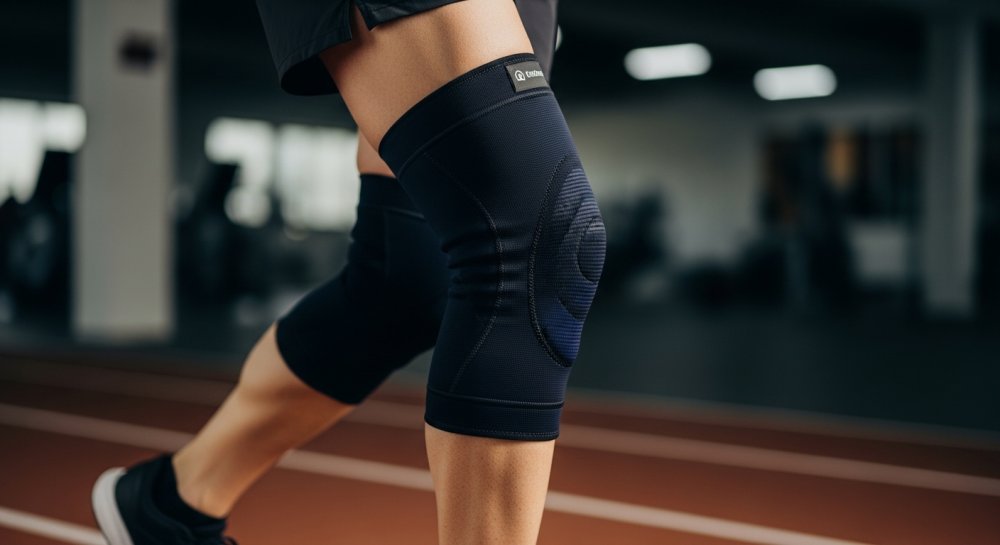
Health Points
- Knee compression sleeves can help manage pain, reduce swelling, and provide joint stability during physical activity
- Orthopedists recommend choosing sleeves with graduated compression and moisture-wicking materials for optimal support
- Proper fit is essential—sleeves should feel snug without cutting off circulation or causing discomfort
If you’ve been dealing with knee pain or instability during everyday activities, you’re not alone. Millions of Americans over 40 experience knee discomfort, whether from arthritis, previous injuries, or the natural wear and tear that comes with an active lifestyle.
Knee compression sleeves have become an increasingly popular solution for managing these issues without resorting to medications or invasive procedures. These supportive garments work by applying gentle, consistent pressure around the knee joint, which can help reduce inflammation and provide the stability many people need to stay active.
“Compression sleeves can be an excellent non-pharmaceutical option for people dealing with mild to moderate knee pain,” explains Dr. Michael Robertson, an orthopedic surgeon with over 20 years of experience treating joint conditions. “They work by improving blood flow to the area and providing proprioceptive feedback, which helps your body better sense the position of your knee joint.”
The key to finding the right knee sleeve lies in understanding what features matter most for your specific needs.
What to Look for in a Knee Compression Sleeve
Not all knee sleeves are created equal. Medical professionals recommend looking for several important characteristics when selecting a compression sleeve.
First, graduated compression is preferable to uniform pressure. This means the sleeve applies slightly more compression in targeted areas while remaining comfortable throughout.
“The best sleeves provide compression without being so tight that they cut off circulation,” notes Dr. Robertson. “You should be able to slide two fingers underneath the top and bottom edges comfortably.”
Material quality also matters significantly. Look for breathable, moisture-wicking fabrics that will keep your skin dry during physical activity. Many of the top-rated sleeves incorporate nylon and spandex blends that offer both flexibility and durability.
Non-slip features like silicone grip strips prevent the sleeve from sliding down during movement, which is essential for maintaining consistent support.
Benefits Beyond Pain Relief
While pain reduction is often the primary motivation for purchasing a knee sleeve, these supportive garments offer several additional benefits. They can help reduce swelling after activity, warm the joint to improve flexibility, and provide psychological confidence that encourages people to remain active.
For those dealing with arthritis, the gentle warmth and compression can make a noticeable difference in daily comfort levels. The compression helps reduce the accumulation of fluid around the joint, which is a common source of stiffness and discomfort.
Athletes and fitness enthusiasts also use compression sleeves preventatively during high-impact activities like running, basketball, or hiking.
Choosing the Right Fit
Proper sizing is perhaps the most critical factor in whether a knee sleeve will actually help you. A sleeve that’s too loose won’t provide adequate support, while one that’s too tight can restrict circulation and cause more harm than good.
Most manufacturers provide detailed sizing charts based on measurements of your leg circumference at specific points above and below the knee. Take these measurements carefully, preferably in the morning when swelling is minimal.
“I always advise my patients to measure twice and consult the sizing guide thoroughly,” says Dr. Robertson. “When in doubt between two sizes, the general rule is to size up for comfort, especially if you plan to wear the sleeve for extended periods.”
It’s also worth noting that some people find they need different sizes for each knee, particularly if one has more swelling or muscle mass than the other.
When to Wear Your Knee Sleeve
Timing matters when it comes to maximizing the benefits of compression sleeves. Many people wear them during physical activity for support and stability, but they can also be beneficial during recovery periods.
For chronic conditions like arthritis, wearing the sleeve during activities that typically trigger discomfort—such as gardening, walking, or climbing stairs—can help you maintain your quality of life. Some people also find benefit in wearing them during long periods of standing or sitting.
However, orthopedists generally don’t recommend wearing compression sleeves 24/7. Your skin needs time to breathe, and your muscles benefit from periods without external support to maintain their natural strength.
Maintenance and Longevity
To get the most value from your knee compression sleeve, proper care is essential. Most sleeves can be machine washed on a gentle cycle with cold water, though hand washing extends their lifespan.
Avoid using fabric softeners or bleach, as these can break down the elastic fibers that provide compression. Air drying is preferable to machine drying, which can damage the material and reduce its effectiveness.
With proper care, a quality knee compression sleeve should maintain its supportive properties for six months to a year of regular use. If you notice the sleeve becoming loose, stretched out, or developing holes, it’s time for a replacement.
Complementary Approaches
While knee compression sleeves can be highly effective, they work best as part of a comprehensive approach to joint health. Maintaining a healthy weight reduces stress on knee joints, and targeted exercises that strengthen the muscles around the knee provide additional support.
Physical therapy, when needed, can teach you proper movement patterns that protect your knees during daily activities. Anti-inflammatory foods and adequate hydration also support overall joint health.
“Think of a compression sleeve as one tool in your toolkit for managing knee health,” advises Dr. Robertson. “It can be very effective, but it shouldn’t replace medical care, proper exercise, or other healthy lifestyle choices.”
For anyone experiencing persistent or severe knee pain, consulting with a healthcare provider is important to rule out conditions that may require medical intervention.

Harriet Becker
May 23, 2026 at 6:06 pm
I’d like more information