Nutrition
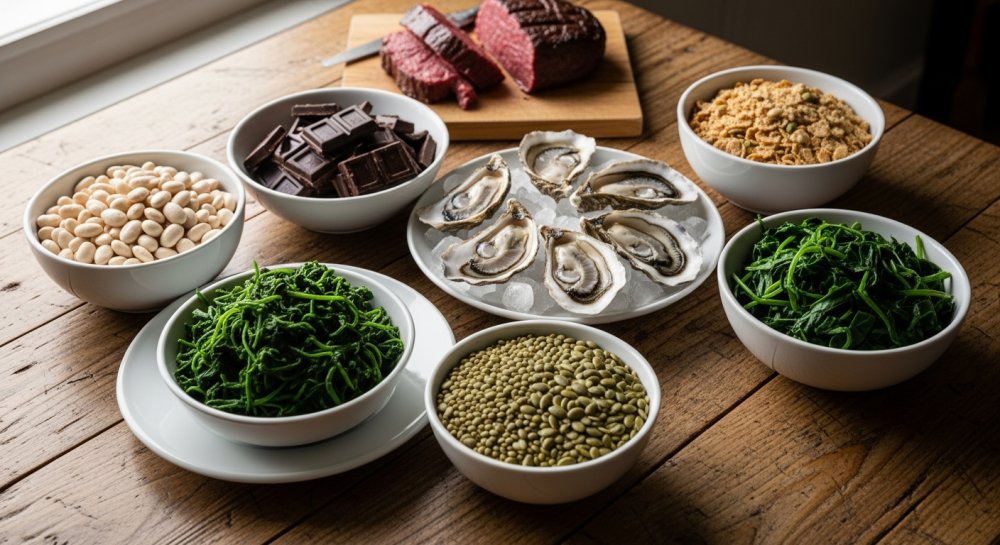
Seven Everyday Foods Pack More Iron Than a Steak

Health Points
- Several plant-based and seafood options contain more iron per serving than beef or pork
- White beans, dark chocolate, and oysters rank among the top iron-rich alternatives to red meat
- Pairing iron-rich foods with vitamin C sources significantly improves absorption
For decades, conventional wisdom has pointed Americans toward red meat as the go-to source for dietary iron. But new nutritional analysis reveals that beef and pork don’t hold the exclusive claim to this essential mineral that many assume.
Seven readily available foods actually deliver more iron per serving than traditional red meat options. The findings offer welcome news for health-conscious consumers looking to diversify their diets while maintaining robust iron intake.
Iron plays a critical role in oxygen transport throughout the body and supports healthy immune function. Adult men need approximately 8 milligrams daily, while women of childbearing age require 18 milligrams due to menstrual blood loss. A three-ounce serving of beef provides about 2.5 milligrams of iron.
White Beans Lead the Pack
One cup of cooked white beans contains 8 milligrams of iron—more than three times the amount found in an equivalent portion of beef. These versatile legumes also deliver fiber, protein, and folate, making them a nutritional powerhouse for families seeking balanced meals.
Lentils follow closely behind with 6.6 milligrams per cup. Their quick cooking time and neutral flavor profile make them ideal for busy households looking to incorporate more iron-rich foods without extensive meal preparation.
Unexpected Iron Champions
Dark chocolate lovers have reason to celebrate: a three-ounce serving contains approximately 7 milligrams of iron. Choosing varieties with 70% cocoa or higher maximizes both iron content and antioxidant benefits while limiting added sugars.
Oysters rank among the most iron-dense foods available, with six medium oysters providing 5.5 milligrams. These shellfish also supply zinc, vitamin B12, and omega-3 fatty acids that support cardiovascular and cognitive health.
Spinach delivers 6.4 milligrams of iron per cooked cup. While the body absorbs plant-based iron less efficiently than animal sources, pairing spinach with vitamin C-rich foods like tomatoes or bell peppers significantly enhances absorption.
Seeds and Fortified Foods
Pumpkin seeds pack 4.2 milligrams of iron per quarter-cup serving. They make convenient snacks or salad toppings that boost iron intake without requiring cooking or preparation time.
Many breakfast cereals are fortified with iron, with some brands providing up to 18 milligrams per serving—the entire daily requirement for menstruating women. Checking nutrition labels helps identify the most iron-rich options.
Nutritionists emphasize that iron absorption depends on multiple factors beyond simple content measurements. Heme iron from animal sources absorbs more readily than non-heme iron from plants, meaning consumers may need larger servings of plant-based options to achieve equivalent nutritional benefits.
Combining iron-rich foods with vitamin C sources dramatically improves absorption rates. A spinach salad with strawberries, white bean soup with tomatoes, or fortified cereal with orange juice represents smart pairing strategies that maximize iron uptake.
For Americans seeking to reduce red meat consumption without sacrificing nutritional quality, these seven alternatives offer practical pathways forward. Their availability in standard grocery stores and familiar flavor profiles make them accessible options for families committed to wholesome, traditional eating patterns that support long-term health and vitality.
