Nutrition
Top Heart Doctors Reveal Their Daily Eating Habits

Health Points
- Cardiologists prioritize whole grains, fatty fish, nuts, and leafy greens in their personal diets to support cardiovascular health
- Omega-3 fatty acids from salmon and walnuts help reduce inflammation and lower heart disease risk
- Experts recommend limiting processed foods, excess sodium, and added sugars while emphasizing nutrient-dense whole foods
When it comes to maintaining a healthy heart, cardiologists don’t just preach evidence-based nutrition—they practice it daily. Several leading heart specialists recently shared the specific foods they incorporate into their own meals to protect their cardiovascular systems and reduce their risk of heart disease.
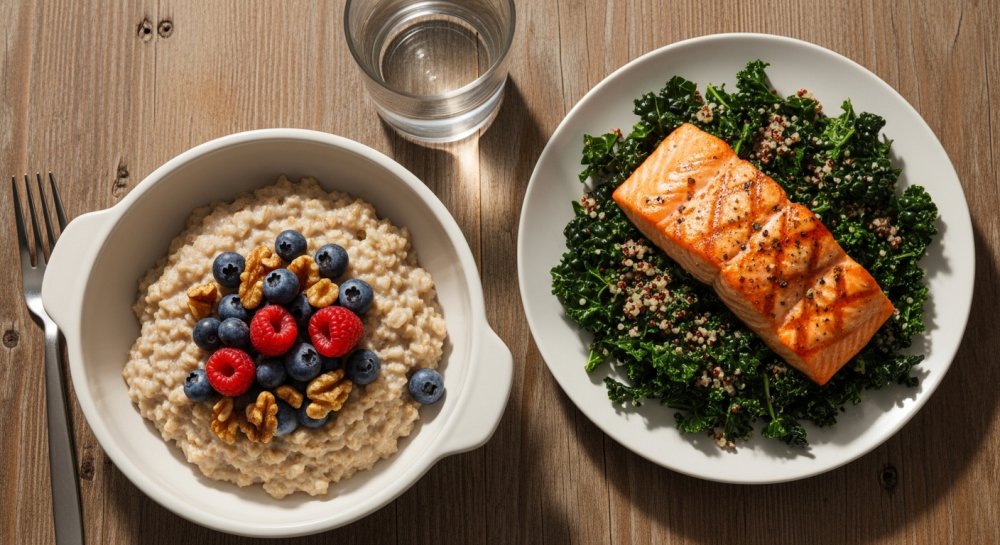
Dr. Jennifer Haythe, a cardiologist at Columbia University Irving Medical Center, starts her day with oatmeal topped with berries and walnuts. “Oats contain soluble fiber that helps lower cholesterol levels, while walnuts provide omega-3 fatty acids that reduce inflammation,” she explains.
“I make sure to eat fatty fish like salmon at least twice a week because the omega-3s are so beneficial for heart health.”
Leafy greens feature prominently on the plates of heart health experts. Dr. Nicole Weinberg, a cardiologist at Providence Saint John’s Health Center in Santa Monica, California, emphasizes vegetables at every meal. She fills half her plate with colorful vegetables, focusing especially on dark leafy greens like spinach, kale, and Swiss chard, which are rich in vitamins, minerals, and antioxidants that support vascular function.
Nuts and seeds appear as regular snacks in many cardiologists’ diets. Dr. Suzanne Steinbaum, a preventive cardiologist and heart health expert, keeps almonds, cashews, and pumpkin seeds on hand.
“These provide healthy fats, protein, and fiber that keep me satisfied between meals while supporting my heart.”
Whole grains replace refined carbohydrates in the eating patterns of these specialists. Instead of white bread or white rice, they opt for quinoa, brown rice, whole wheat pasta, and whole grain bread. These complex carbohydrates provide sustained energy without the blood sugar spikes associated with refined grains.
Legumes—including beans, lentils, and chickpeas—receive high marks from cardiovascular experts. Dr. Michael Ozner, a cardiologist and author, incorporates beans into soups, salads, and main dishes regularly. Legumes deliver plant-based protein, fiber, and minerals while containing virtually no saturated fat.
Berries rank among the top fruit choices. Blueberries, strawberries, and raspberries contain powerful antioxidants called anthocyanins that have been linked to reduced blood pressure and improved arterial function. Many cardiologists add berries to breakfast or enjoy them as a naturally sweet dessert.
Extra virgin olive oil serves as the primary cooking fat for most heart specialists. Rich in monounsaturated fats and polyphenols, olive oil has been extensively studied for its cardiovascular benefits as part of Mediterranean-style eating patterns.
What these doctors avoid is equally important. They limit processed meats like bacon, sausage, and deli meats, which contain high amounts of sodium and preservatives linked to increased heart disease risk. They also minimize added sugars found in sodas, candy, and baked goods, and they reduce their intake of foods high in saturated fats.
Dr. Andrew Freeman, a cardiologist at National Jewish Health in Denver, takes a predominantly plant-based approach.
“The more whole, unprocessed plant foods you can incorporate, the better for your heart and overall health.”
Hydration matters too. Rather than sugary beverages or excessive caffeine, cardiologists typically drink plenty of water throughout the day, with some adding green tea for its antioxidant content.
The consistent message from these experts is that heart-healthy eating doesn’t require deprivation or complicated meal plans. By building meals around whole grains, vegetables, fruits, nuts, legumes, and fatty fish while limiting processed foods and added sugars, anyone can follow the same principles that guide the dietary choices of heart specialists.
These eating patterns align with established dietary guidelines from organizations like the American Heart Association, which emphasize nutrient-dense whole foods over calorie-dense processed options. For those over 40, when cardiovascular risk naturally begins to increase, adopting these straightforward dietary habits can make a meaningful difference in long-term heart health and overall wellbeing.
