Health
The Surprising Reason Your Eyes Look Glassy and How to Fix It

Health Points
- Glassy eyes result from reduced tear production or excessive evaporation, creating a shiny, unfocused appearance that can signal dehydration, allergies, or underlying health conditions
- Digital eye strain from prolonged screen time is now a leading cause of glassy eyes, with symptoms often worsening after age 40 due to natural changes in tear production
- Simple lifestyle adjustments including proper hydration, regular screen breaks using the 20-20-20 rule, and maintaining indoor humidity can effectively prevent and treat most cases of glassy eyes
If you’ve ever caught your reflection and noticed your eyes looking unusually shiny, glazed over, or somehow “not quite right,” you’re not alone. Glassy eyes are a common phenomenon that becomes increasingly noticeable as we age, and they can signal everything from simple dehydration to more serious health concerns.
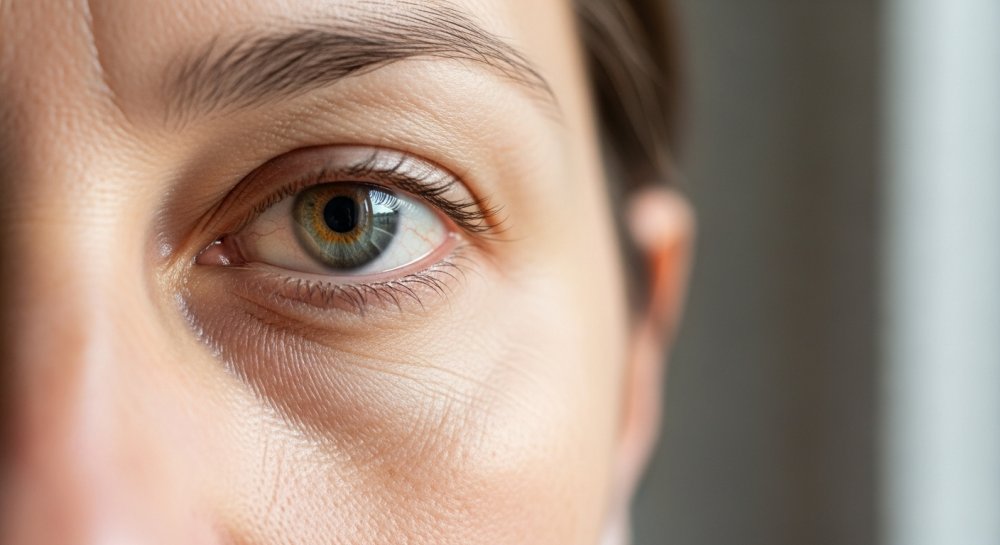
The telltale glassy appearance occurs when the eyes lack their normal moisture balance. Rather than the healthy, clear look we associate with well-rested eyes, glassy eyes take on a shiny, almost wet appearance that can make you look tired, unwell, or emotionally distressed even when you’re feeling fine.
Understanding what causes this condition—and how to address it—becomes especially important after 40, when our bodies naturally produce fewer tears and our eyes become more susceptible to dryness.
Why Your Eyes Turn Glassy
The most common culprit behind glassy eyes is dry eye syndrome, a condition affecting millions of Americans. When your tear glands don’t produce enough moisture or when tears evaporate too quickly, the eye’s surface loses its natural lubrication. This creates that characteristic glassy sheen as light reflects differently off the inadequately moisturized surface.
Dehydration plays a significant role as well. When your body doesn’t have enough water, tear production decreases, leaving eyes looking glazed and feeling uncomfortable. This is particularly problematic for those over 40, as our sense of thirst often diminishes with age, making it easier to become dehydrated without realizing it.
Allergies represent another major trigger. When allergens irritate the eyes, they can cause inflammation and watering that paradoxically leads to a glassy appearance. Seasonal allergies, pet dander, and even indoor irritants like dust can all contribute to this problem.
Extended screen time has emerged as a modern epidemic causing glassy eyes. When we focus on computers, tablets, or smartphones, our blink rate drops dramatically—from a normal 15-20 blinks per minute to as few as 5-7 blinks. Each blink spreads tears across the eye’s surface, so fewer blinks mean drier, glassier-looking eyes.
Certain medications can also be responsible. Antihistamines, decongestants, blood pressure medications, and antidepressants all have the potential to reduce tear production as a side effect. If you’ve recently started a new medication and noticed your eyes looking glassier, this connection is worth discussing with your healthcare provider.
More serious health conditions occasionally manifest through glassy eyes. Hypoglycemia, or low blood sugar, can cause this symptom alongside shakiness and confusion. Fever and infections often produce glassy eyes as well. In rare cases, neurological conditions or thyroid disorders may be involved.
The Digital Age Connection
The rise of remote work and increased screen time has created what eye care professionals now call “computer vision syndrome.” This collection of symptoms includes glassy eyes, blurred vision, headaches, and neck pain—all stemming from prolonged digital device use.
The problem intensifies with age. After 40, the eyes’ focusing ability naturally declines in a condition called presbyopia. Combined with reduced tear production, this makes older adults particularly vulnerable to screen-related eye strain and that telltale glassy appearance.
Poor screen positioning exacerbates the issue. Looking upward at a screen causes eyes to open wider, increasing tear evaporation. Similarly, inadequate lighting creates glare that forces eyes to work harder, further contributing to the glassy-eyed look.
Treatment Approaches That Work
For mild cases of glassy eyes, simple lifestyle modifications often provide significant relief. The first step is ensuring adequate hydration—aim for at least eight glasses of water daily, and consider increasing this amount if you exercise regularly or live in a dry climate.
The 20-20-20 rule offers an effective strategy for screen users: every 20 minutes, look at something 20 feet away for at least 20 seconds. This simple practice allows your eyes to relax and encourages normal blinking, restoring moisture to the eye’s surface.
Over-the-counter artificial tears provide immediate relief for many people. These lubricating eye drops supplement your natural tears, reducing that glassy appearance and improving comfort. Choose preservative-free formulas if you need to use drops more than four times daily.
For allergy-related glassy eyes, antihistamine eye drops or oral allergy medications can address the root cause. Avoiding known allergens when possible and keeping windows closed during high pollen days also helps.
Adjusting your environment makes a meaningful difference. Use a humidifier in dry indoor spaces, position computer screens slightly below eye level to reduce surface exposure, and ensure adequate lighting to minimize eye strain.
When glassy eyes persist despite these measures, professional evaluation becomes important. An eye care specialist can diagnose underlying conditions like chronic dry eye syndrome, blepharitis, or meibomian gland dysfunction—all of which require targeted treatment.
Prescription medications including cyclosporine or lifitegrast can increase tear production for those with chronic dry eye. In some cases, punctal plugs—tiny devices inserted into tear ducts to slow drainage—provide lasting relief.
Prevention Strategies for Long-Term Eye Health
Maintaining healthy eyes becomes increasingly important with age, and several proactive steps can prevent glassy eyes before they develop. Regular comprehensive eye exams are essential, particularly after age 40, to catch and address problems early.
Nutrition plays a surprising role in eye moisture. Omega-3 fatty acids found in fish, flaxseed, and walnuts support healthy tear production. Vitamins A, C, and E also contribute to eye health and can be obtained through a balanced diet rich in leafy greens, citrus fruits, and nuts.
Protecting eyes from environmental stressors helps too. Wear wraparound sunglasses outdoors to shield eyes from wind and sun, both of which accelerate tear evaporation. In air-conditioned or heated environments, position yourself away from direct air vents.
If you’re a contact lens wearer, follow proper hygiene and replacement schedules. Old or poorly fitted lenses can irritate the eyes and disrupt the tear film, contributing to that glassy appearance. Consider switching to daily disposables if chronic dryness persists.
Adequate sleep remains fundamental to eye health. During sleep, eyes are continuously lubricated and cleared of irritants accumulated throughout the day. Aim for seven to nine hours nightly, and if you wake with glassy eyes, applying a warm compress can stimulate oil glands and improve tear quality.
When to Seek Medical Attention
While glassy eyes often resolve with simple interventions, certain situations warrant prompt medical evaluation. If glassy eyes accompany vision changes, severe pain, discharge, or sensitivity to light, contact an eye care professional immediately.
Sudden onset of glassy eyes alongside fever, confusion, or other systemic symptoms could indicate a serious infection or metabolic problem requiring urgent care. For individuals with diabetes, glassy eyes combined with other symptoms might signal dangerous blood sugar fluctuations.
If you’ve experienced trauma to the eye or head and subsequently notice glassy eyes, seek evaluation even if other symptoms seem mild. Similarly, if over-the-counter treatments fail to improve glassy eyes after two weeks, professional assessment can identify underlying issues needing specialized care.
Remember that your eyes serve as windows not just to your soul, but to your overall health. That glassy appearance might seem like a minor cosmetic concern, but addressing it properly ensures both comfort and long-term wellness. With the right approach—whether simple lifestyle changes or professional treatment—you can restore your eyes’ natural clarity and maintain optimal vision for years to come.
