Health
Podiatrists Reveal the Sandals That Actually Relieve Foot Pain

Health Points
- Plantar fasciitis affects millions of Americans over 40, causing heel and arch pain that worsens with unsupportive footwear
- Podiatrist-approved sandals feature arch support, cushioned footbeds, and shock-absorbing soles to reduce inflammation
- Proper footwear can significantly reduce plantar fasciitis symptoms and prevent further damage to the plantar fascia ligament
For the millions of Americans dealing with plantar fasciitis, summer sandal season can feel like a painful trade-off between style and comfort. But podiatrists say the right footwear can make all the difference in managing this common condition that causes stabbing heel pain.
Plantar fasciitis occurs when the thick band of tissue running across the bottom of the foot becomes inflamed. The condition is particularly common in adults over 40, affecting approximately 2 million Americans each year. Without proper support, every step can aggravate the inflamed tissue, turning simple activities like walking through the grocery store into painful ordeals.
“The biggest mistake people make is thinking all sandals are created equal,” says Dr. Emily Chen, a board-certified podiatrist with over 15 years of experience treating foot conditions. “Flip-flops and flat sandals without arch support can actually make plantar fasciitis worse, even if they feel comfortable at first.”
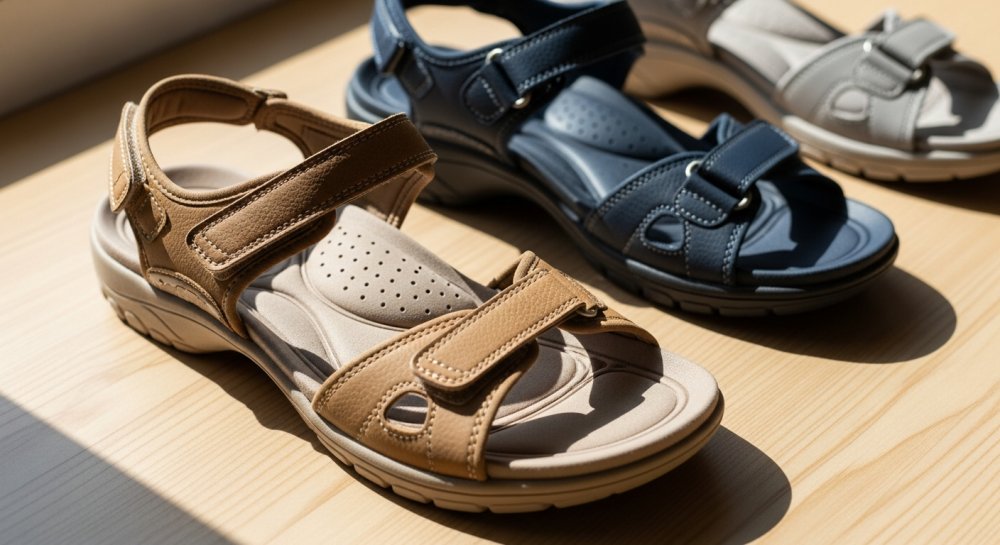
The key features podiatrists look for in therapeutic sandals include contoured arch support, deep heel cups, and cushioned footbeds made from materials like EVA foam or memory foam. These elements work together to distribute pressure evenly across the foot, reducing strain on the plantar fascia ligament.
Dr. Michael Rodriguez, a sports medicine podiatrist, emphasizes that proper footwear should be part of a comprehensive treatment approach.
“Good sandals can reduce symptoms by 40 to 60 percent in many patients, but they work best when combined with stretching exercises and proper rest,” Dr. Rodriguez explains.
When shopping for sandals, experts recommend trying them on later in the day when feet are slightly swollen. The sandal should feel supportive immediately—there should be no “breaking in” period required. Adjustable straps are also beneficial, allowing wearers to customize the fit as swelling changes throughout the day.
Podiatrists particularly recommend sandals with rocker bottom soles, which help propel the foot forward with less effort. This design feature reduces the stretching motion that can irritate the plantar fascia during the push-off phase of walking. Several well-known footwear brands have incorporated these orthopedic principles into stylish designs that don’t look overtly medical.
For those with severe plantar fasciitis, sandals with removable insoles offer the flexibility to use custom orthotics prescribed by a podiatrist. These custom devices provide even more targeted support based on an individual’s specific foot structure and gait pattern.
Dr. Sarah Thompson, who specializes in geriatric foot care, notes that age-related changes make proper footwear even more critical.
“As we age, the fat pad on the bottom of our feet naturally thins, providing less natural cushioning,” Dr. Thompson says. “That’s why supportive sandals become increasingly important for comfort and injury prevention after 40.”
Prevention remains the best medicine. Even those without current plantar fasciitis symptoms can benefit from wearing supportive sandals, particularly if they have risk factors like high arches, flat feet, or jobs that require prolonged standing. Maintaining a healthy weight also reduces pressure on the feet, as every extra pound adds approximately four pounds of pressure to the plantar fascia with each step.
Stretching exercises complement proper footwear in managing plantar fasciitis. Simple calf stretches and toe stretches performed morning and night can keep the plantar fascia flexible and less prone to inflammation. Rolling a frozen water bottle under the foot provides both stretching and anti-inflammatory benefits.
While recovery timelines vary, most people see significant improvement within three to six months when consistently wearing supportive footwear and following their podiatrist’s recommendations. For stubborn cases, additional treatments like physical therapy, night splints, or corticosteroid injections may be necessary.
The investment in quality supportive sandals typically pays dividends in reduced pain and improved mobility. Most podiatrist-recommended sandals range from $80 to $150, though some therapeutic brands command higher prices. Experts suggest replacing sandals annually or every 500 miles of wear, as cushioning and support degrade over time even when the exterior appears intact.
For Americans committed to staying active and enjoying life after 40, the right footwear isn’t just about comfort—it’s about maintaining independence and quality of life. With podiatrist-approved options now available in styles ranging from sporty to dressy, nobody needs to choose between foot health and personal style.
