Health
The Hidden Skin Condition Affecting Millions That Doctors Often Miss

Health Points
- Hidradenitis suppurativa (HS) causes painful bumps and abscesses in areas where skin rubs together, affecting up to 2% of the population
- Early intervention with proper hygiene, loose clothing, and medical treatment can prevent progression and reduce flare-ups
- A combination of lifestyle modifications, prescription medications, and stress management offers the best outcomes for managing chronic HS symptoms
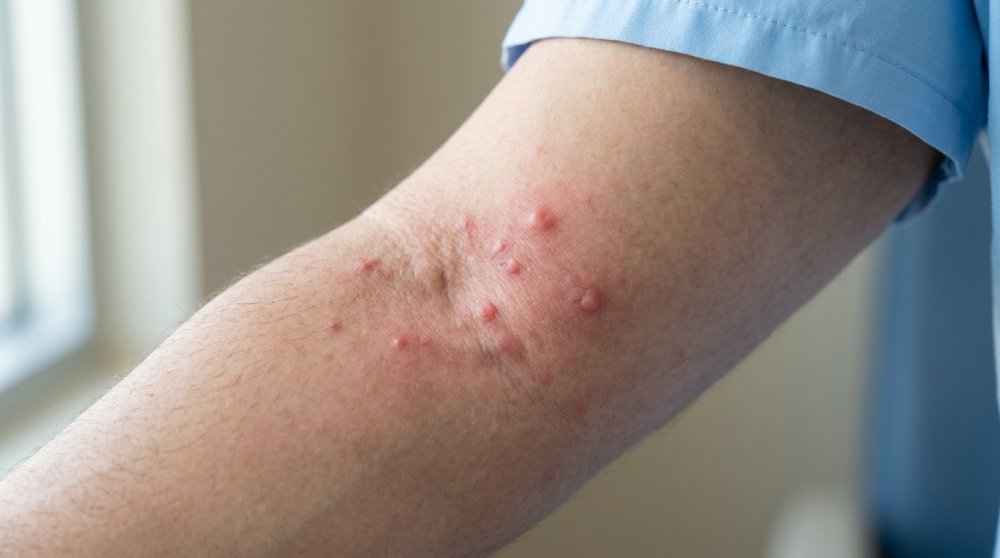
For the millions of Americans living with hidradenitis suppurativa, flare-ups can be both painful and isolating. This chronic skin condition creates tender bumps, abscesses, and tunnels under the skin, typically in areas where skin touches skin — like the armpits, groin, buttocks, and under the breasts.
Understanding how to manage these episodes can make a significant difference in quality of life. While HS cannot be cured, proper management strategies can minimize discomfort and reduce the frequency of flare-ups.
Recognizing the Warning Signs
HS often begins with what appears to be a simple pimple or boil. But unlike typical acne, these bumps tend to return in the same locations and can develop into painful, deep-seated nodules. Early recognition is crucial for preventing progression.
The condition typically emerges after puberty, with most cases appearing between ages 20 and 30. Women are three times more likely to develop HS than men, though the exact cause remains unclear.
Immediate Steps During a Flare-Up
When a flare-up begins, quick action can help minimize the severity. Applying warm compresses to affected areas several times daily can reduce inflammation and encourage drainage of painful lesions.
Gentle cleansing with antibacterial soap helps prevent secondary infections. Avoid scrubbing or using harsh products that can further irritate sensitive skin. Pat the area dry rather than rubbing.
Over-the-counter pain relievers like ibuprofen or acetaminophen can help manage discomfort. Some patients find that applying topical antibiotic ointments to smaller lesions provides relief, though larger abscesses typically require medical intervention.
Lifestyle Modifications That Make a Difference
Daily habits play a substantial role in managing HS. Wearing loose-fitting clothing made from breathable fabrics reduces friction and allows air circulation, which can help prevent new lesions from forming.
Maintaining a healthy weight may reduce symptoms, as excess weight can increase skin-to-skin contact and friction. Studies suggest that obesity can worsen HS severity and complicate treatment.
Smoking cessation is particularly important. Research shows that smokers with HS tend to experience more severe disease and poorer treatment outcomes. Quitting smoking can lead to noticeable improvement in symptoms.
Some patients report that certain foods trigger their flare-ups. While scientific evidence varies, eliminating dairy products, refined sugars, and foods high in brewer’s yeast has helped some individuals reduce inflammation.
Medical Treatment Options
For moderate to severe HS, medical intervention becomes necessary. Dermatologists may prescribe oral antibiotics to reduce inflammation and bacterial load, though these work differently than treating typical infections.
Biologic medications that target specific immune system pathways have shown promising results. These injectable treatments can significantly reduce the number of abscesses and painful nodules in many patients.
In cases where lesions become severe, surgical intervention may be recommended. Procedures range from draining individual abscesses to removing affected tissue in chronic cases. While surgery addresses existing lesions, it doesn’t prevent new ones from forming elsewhere.
Hormone therapy, including birth control pills, may help women whose symptoms fluctuate with their menstrual cycle. This approach targets the hormonal component that can trigger inflammation.
The Importance of Stress Management
Emotional stress can trigger or worsen HS flare-ups. Developing effective stress-reduction techniques — whether through exercise, meditation, counseling, or support groups — can complement medical treatment.
The psychological impact of HS shouldn’t be underestimated. Many patients experience depression, anxiety, and social isolation due to the visible nature of their condition and chronic pain.
Working With Healthcare Providers
Finding a dermatologist experienced in treating HS is essential. Because the condition is sometimes misdiagnosed as simple boils or infected hair follicles, proper identification ensures appropriate treatment.
Keep detailed records of flare-ups, including potential triggers, severity, and what helped or didn’t help. This information guides treatment decisions and helps identify patterns.
Don’t hesitate to advocate for yourself. HS is a legitimate medical condition that deserves comprehensive care, not dismissal as a hygiene issue.
Prevention Strategies for Long-Term Management
Developing a consistent skincare routine helps maintain skin health between flare-ups. Use gentle, fragrance-free cleansers and avoid products that clog pores or irritate skin.
Some patients find that applying antiperspirants to affected areas (not just underarms) helps reduce moisture and friction. Choose aluminum-free options if traditional antiperspirants cause irritation.
Regular follow-up appointments allow healthcare providers to adjust treatment plans as needed. HS often requires trial and error to find the most effective combination of therapies.
While living with HS presents challenges, effective management is possible. Through a combination of medical treatment, lifestyle modifications, and proactive self-care, many patients achieve significant improvement in their symptoms and quality of life. The key is persistence — finding what works for your individual situation may take time, but relief is achievable.
