Health
Why More Women Are Turning to This Minimally Invasive Surgery for Endometriosis Relief

Health Points
- Laparoscopy allows surgeons to diagnose and treat endometriosis through small incisions, often providing immediate relief from chronic pain
- The minimally invasive procedure typically requires only 1-2 weeks of recovery time compared to months for traditional surgery
- While effective for many women, laparoscopy carries risks including scarring, infection, and potential recurrence of endometriosis tissue
For women living with the debilitating pain of endometriosis, a minimally invasive surgical procedure is offering new hope for relief and improved quality of life. Laparoscopy has emerged as the gold standard for both diagnosing and treating this often-misunderstood condition that affects an estimated 1 in 10 women of reproductive age.
Endometriosis occurs when tissue similar to the uterine lining grows outside the uterus, causing severe pelvic pain, heavy periods, and sometimes infertility. Traditional diagnostic methods often fall short, but laparoscopy allows doctors to see inside the abdomen and pelvis with remarkable precision.
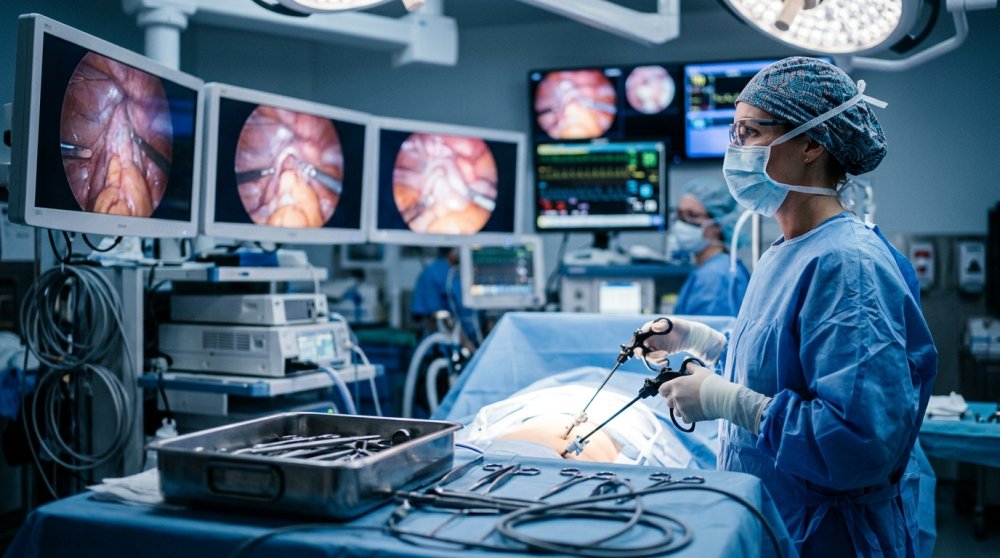
During the procedure, surgeons make small incisions—typically less than half an inch—and insert a thin tube with a camera attached. This allows them to locate endometriosis tissue and remove it during the same operation. The entire process usually takes one to two hours under general anesthesia.
Dr. Sarah Mitchell, a gynecological surgeon specializing in endometriosis treatment, explains the procedure’s dual benefit.
“Laparoscopy is unique because it serves as both our diagnostic tool and treatment option. We can confirm endometriosis visually and address it immediately, rather than requiring a second surgery.”
The recovery timeline represents a significant advantage over traditional open surgery. Most women return home the same day or after an overnight hospital stay. Physical activity can typically resume within a week or two, compared to the months-long recovery period associated with conventional surgical approaches.
Pain relief varies among patients, but many women report substantial improvement in their symptoms. Some experience immediate relief, while others notice gradual improvement over several weeks as inflammation subsides and the body heals.
Jennifer Thompson, 34, underwent laparoscopic surgery after years of debilitating pain that interfered with her work and family life.
“I wish I had done this sooner. Within a month, I could function normally again without constantly managing pain. It gave me my life back.”
The procedure does carry risks, as with any surgery. Potential complications include bleeding, infection, damage to surrounding organs, and scarring. Additionally, endometriosis can return after surgery, with recurrence rates varying depending on the severity and completeness of tissue removal.
Preparation for laparoscopy typically involves fasting for eight hours before surgery and arranging transportation home. Patients should discuss their complete medical history, current medications, and any allergies with their surgical team beforehand.
Post-operative care focuses on managing discomfort and monitoring for complications. Mild pain, bloating, and fatigue are normal in the first few days. Doctors usually prescribe pain medication and recommend rest, though light walking can help prevent blood clots and promote healing.
Warning signs that require immediate medical attention include fever above 100.4°F, severe abdominal pain, heavy vaginal bleeding, difficulty urinating, or signs of infection at incision sites.
Long-term outcomes depend on multiple factors, including disease severity, surgical technique, and post-operative hormone therapy. Some women achieve lasting relief, while others may need additional treatments or procedures down the road.
Dr. Mitchell emphasizes the importance of realistic expectations.
“Laparoscopy is an excellent tool, but it’s often part of a broader treatment strategy. Some patients benefit from hormonal therapy afterward to prevent recurrence, while others may need lifestyle modifications or pain management approaches.”
For women exploring their options, the decision to undergo laparoscopy involves weighing potential benefits against risks and considering alternative treatments. Conservative approaches like hormonal therapy, pain medications, and lifestyle changes may suffice for some patients, particularly those with mild symptoms.
However, for women whose quality of life is significantly impacted by endometriosis pain, laparoscopy represents a proven pathway to relief. The minimally invasive nature of the procedure, combined with its diagnostic and therapeutic capabilities, makes it an attractive option for those ready to take decisive action against this chronic condition.
As medical technology continues advancing, refinements in laparoscopic techniques promise even better outcomes for future patients. For now, thousands of women each year are discovering that this relatively straightforward procedure can mean the difference between living in constant pain and reclaiming their normal lives.
